Arecaceae
Lipstick palm: Advanced Care Guide
Cyrtostachys renda
A palm for steady heat and wet feet. Give it bright light to full sun, soil that never dries out, high humidity and temperatures above 15 °C all year; it tolerates standing water but not drought, wind or cold. Outdoors it only thrives in truly tropical climates (USDA 11-12); elsewhere it needs a warm, humid conservatory or a very bright room.
Every 2 days
Bright indirect
15° - 35°C
60% - 90%
Categories
What is Lipstick palm?
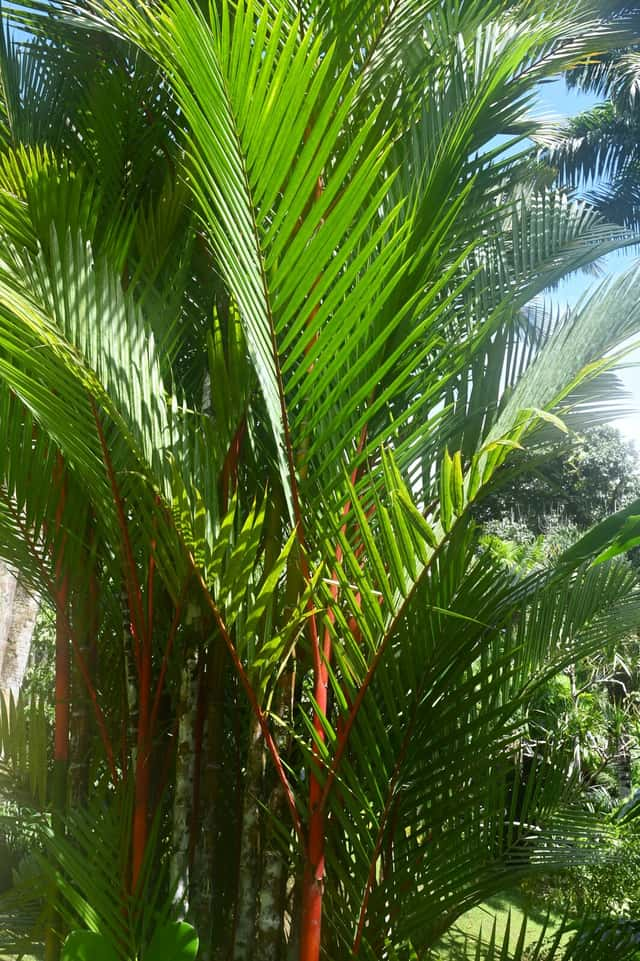
Lipstick palm (Cyrtostachys renda) is a hard-care plant from the Arecaceae family. Cyrtostachys renda is a clumping palm from the peat and freshwater swamp forests of southern Thailand, Peninsular Malaysia, Singapore, Sumatra and Borneo. Its crownshafts, leaf stalks and midribs are a glossy scarlet, like sealing wax, set against slender green trunks and arching pinnate fronds abou...
Lipstick palm grows up to 15.0m, spread of 300cm, watering every 2 days, 15°C – 35°C, 60–90% humidity. It is suitable for indoor environments and safe for pets.
Unlike easy-care plants, Lipstick palm demands constant attention to humidity and light. Not recommended for beginners. Unlike many popular species, Lipstick palm is safe to keep around pets. Without adequate drainage, root rot can develop within 7 days.
How to Care for Lipstick palm?
TLDR: Lipstick palm needs Bright indirect, watering every 2 days, and temperatures between 15-35°C with 60-90% humidity.
How Often Should You Water Lipstick palm?
Keep the soil constantly moist: in warm weather that often means watering every 1 to 2 days. It tolerates waterlogged soil, so a pot standing in a saucer of water is fine, but a pot that dries out will brown the fronds quickly.
How Much Light Does Lipstick palm Need?
Young plants prefer filtered sun or part shade; mature clumps take part shade or full sun. Indoors, place it at the brightest window you have.
What Is the Best Soil for Lipstick palm?
Use a rich, moisture-holding loamy mix with plenty of organic matter. It also grows in heavy clay and at the edge of ponds, so drainage matters less than for most palms.
What Pot Should You Use for Lipstick palm?
A large, deep plastic or glazed pot that holds moisture, set in a saucer that can stay filled with water. Avoid unglazed terracotta, which dries out too fast.
Care Schedule
Fertilize
Every 180 days
What Is Lipstick palm and Where Does It Come From?
Cyrtostachys renda is a clumping palm from the peat and freshwater swamp forests of southern Thailand, Peninsular Malaysia, Singapore, Sumatra and Borneo. Its crownshafts, leaf stalks and midribs are a glossy scarlet, like sealing wax, set against slender green trunks and arching pinnate fronds about 1.5 m long with leaflets that are greyish underneath. In the wild a clump can reach 15 to 20 m, but in gardens it usually stays at 2.5 to 4.5 m and grows slowly. Small greenish-white flowers appear below the crown, followed by small black fruits that birds eat. It is critically endangered in Singapore and is the emblem of the Singapore Botanic Gardens.
How to Propagate Lipstick palm?
Division of suckers
Divide only in warm weather. Keep the division constantly moist and out of direct sun until it settles.
- 1 Choose a sucker at the edge of the clump that already has its own roots and several fronds
- 2 Cut it away from the parent with a clean, sharp spade or knife, keeping as many roots as possible
- 3 Pot it in a rich, moist mix and water thoroughly
- 4 Keep it warm, humid and in bright shade until new growth appears
Materials needed:
Seed
Fresh seed is essential; germination is slow and uneven, taking from 2-3 months to a year.
- 1 Clean the pulp off fresh ripe fruits
- 2 Sow on the surface of a moist, peaty mix and cover lightly
- 3 Keep the tray at 27-32 °C and very humid, for example in a sealed bag
- 4 Pot each seedling once the first leaf has fully opened
Materials needed:
How Big Does Lipstick palm Grow?
TLDR: Lipstick palm can reach up to 15.0m tall with Slow growth rate.
Max height
15.0m
Spread
3.0m
Growth rate
Slow
Foliage
Evergreen
Plant Uses
Ornamental
Great for decoration
Is your plant showing symptoms?
Click on the symptom to discover possible causes:
What Diseases Commonly Affect Lipstick palm?
TLDR: Lipstick palm is susceptible to 5 known diseases. Monitor regularly for early detection.
Spider Mites
Spider mites are tiny arachnids (less than 1/20 inch long) related to spiders and ticks that feed on plant sap. They thrive in hot, dry conditions and can cause significant damage to ornamental and vegetable plants. During severe infestations, crop losses can reach 14% or higher as these pests disrupt vital plant processes including photosynthesis, carbon dioxide absorption, and transpiration.
Mealybugs
Mealybugs are small, soft-bodied insects covered with a white, waxy, cottony material. They are common pests of houseplants and outdoor plants in mild climates. These sap-sucking insects feed on plant tissue, causing damage, stunted growth, and can lead to plant death if left untreated. They produce sticky honeydew which attracts sooty mold.
Scale Insects
Scale insects are small sap-sucking pests that appear as brown, shell-like bumps on plant stems and leaves. There are over 25 species, divided into armored (hard) and unarmored (soft) scales. They feed by piercing plant tissue and extracting sap, which weakens the plant and can lead to yellowing, stunted growth, and even death if left untreated. They also excrete honeydew, which attracts ants and promotes sooty mold growth.
Cold Damage
Cold damage, also known as frost injury, occurs when plants are exposed to freezing or near-freezing temperatures. This environmental stress can cause cellular damage as ice crystals form within plant tissues, rupturing cells and disrupting normal plant functions. Chilling injury can also occur in sensitive species at temperatures between 32-55°F (0-10°C), even without actual freezing.
Meaning & Symbolism
The emblem of the Singapore Botanic Gardens, where it appears in the logo; its red crownshafts are linked to royalty in names like rajah and maharajah palm.
Compare with similar plants
| Attribute | Difficulty | Light | Watering | Pet Safe |
|---|---|---|---|---|
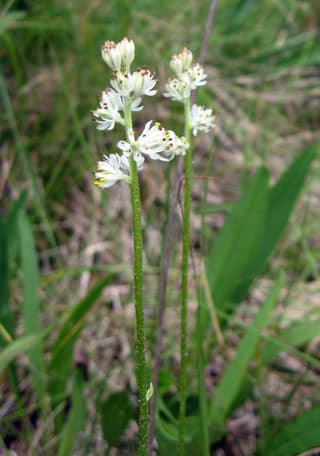
| Sticky false asphodel | Hard | Bright indirect | 1d | ✓ |
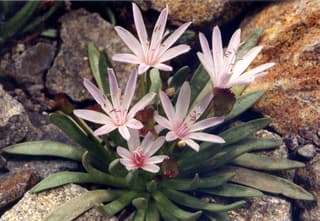
| Truckee lewisia | Hard | Bright indirect | 10d | ✓ |
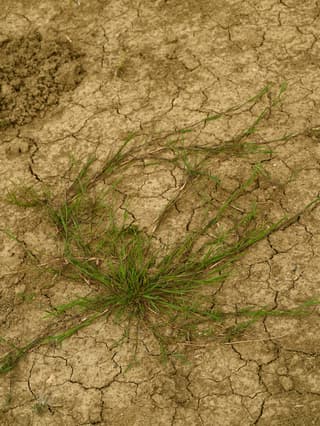
| Creeping bentgrass | Hard | Direct sun | 3d | ✓ |
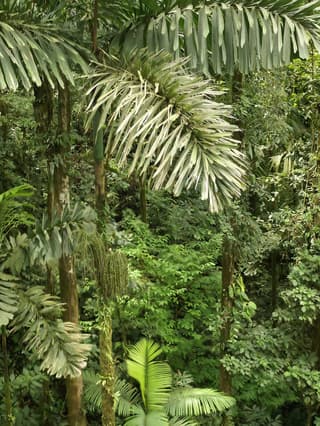
| Walking Palm | Hard | Bright indirect | 3d | ✓ |