Malvaceae
Turk's Cap Mallows: How to Care for the Malvaviscus Genus
Malvaviscus
An easy, tough shrub: full sun to part shade, soil with organic matter and moderate watering. It tolerates drought once established and blooms more in sun.
Every 7 days
Bright indirect
° - °C
% - %
Categories
What is Turk's Cap Mallows?
Turk's Cap Mallows (Malvaviscus) is a easy-care plant from the Malvaceae family. Malvaviscus is a genus of about 10 shrub species in the mallow family (Malvaceae), native to the Americas from the southeastern United States through Mexico and Central America to South America. The most widely grown is Turk's cap (M. arboreus), with varieties such as drummondii, mexicanus and pendu...
Turk's Cap Mallows grows up to 4.0m, watering every 7 days. It is not suitable for indoor environments and safe for pets.
Unlike many tropical plants, Turk's Cap Mallows tolerates watering mistakes. Best for beginners. Unlike many popular species, Turk's Cap Mallows is safe to keep around pets.
How to Care for Turk's Cap Mallows?
TLDR: Turk's Cap Mallows needs Bright indirect, watering every 7 days, and temperatures between 15-30°C with 40-70% humidity.
How Often Should You Water Turk's Cap Mallows?
Water about once a week, letting the soil dry slightly between waterings. Established plants handle dry spells but bloom best in lightly moist soil.
How Much Light Does Turk's Cap Mallows Need?
Full sun to part shade. More sun means more flowers; in shade it grows well but blooms less.
What Is the Best Soil for Turk's Cap Mallows?
Loamy soil with organic matter and good drainage. It adapts to many soils, including clay and limestone.
What Pot Should You Use for Turk's Cap Mallows?
A large, deep pot with drainage holes, though it is happiest in the ground, where it forms thickets.
Care Schedule
Fertilize
Every 60 days
What Is Turk's Cap Mallows and Where Does It Come From?
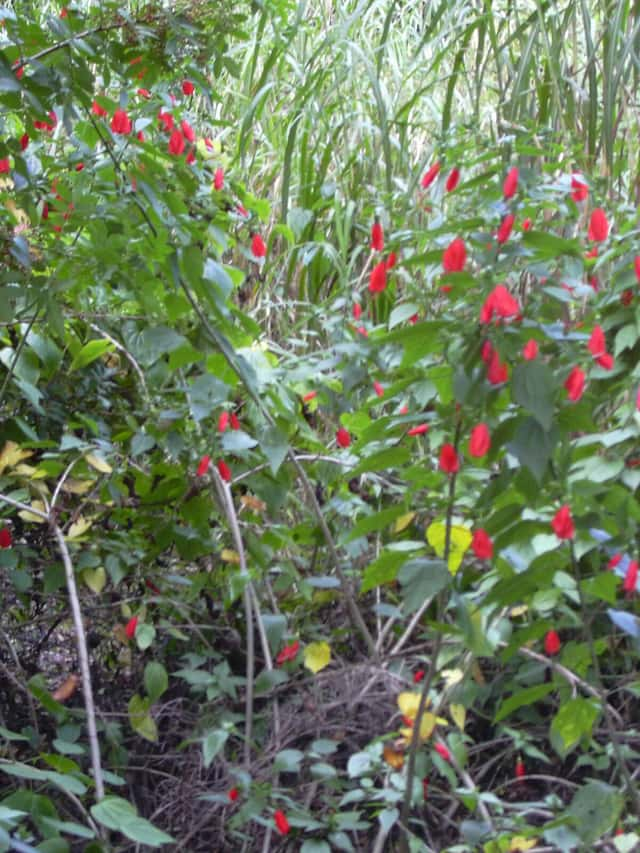
Malvaviscus is a genus of about 10 shrub species in the mallow family (Malvaceae), native to the Americas from the southeastern United States through Mexico and Central America to South America. The most widely grown is Turk's cap (M. arboreus), with varieties such as drummondii, mexicanus and penduliflorus. The flowers look like a hibiscus that never opens: the petals stay furled around the staminal column. They are red, pink or white and draw hummingbirds and butterflies. Shrubs reach 3-4 m and bear small edible red fruits.
How to Propagate Turk's Cap Mallows?
Stem cutting
Rooting hormone speeds things up but is not essential: Turk's cap roots easily.
- 1 Cut a 15-20 cm semi-hardwood shoot.
- 2 Strip the lower leaves.
- 3 Insert into moist, well-draining mix.
- 4 Keep in part shade with the mix moist until rooted.
Materials needed:
Division
Divide in early spring before new growth starts.
- 1 Dig around an established clump.
- 2 Split off a section with roots and shoots.
- 3 Replant at the same depth and water well.
Materials needed:
Seed
Cultivars and varieties may not come true from seed.
- 1 Collect seeds from ripe fruits.
- 2 Sow shallowly in moist mix.
- 3 Keep warm until they germinate.
Materials needed:
How Big Does Turk's Cap Mallows Grow?
TLDR: Turk's Cap Mallows can reach up to 4.0m tall with Medium growth rate.
Max height
4.0m
Growth rate
Medium
Foliage
Semi-evergreen
Plant Uses
Ornamental
Great for decoration
Edible
Can be consumed
Medicinal Uses
- Flowers and fruits are used in homemade herbal teas.
Culinary Uses
- Fruits raw or made into jelly and syrup
- Flowers in teas and salads
Is your plant showing symptoms?
Click on the symptom to discover possible causes:
What Diseases Commonly Affect Turk's Cap Mallows?
TLDR: Turk's Cap Mallows is susceptible to 7 known diseases. Monitor regularly for early detection.
Mealybugs
Mealybugs are small, soft-bodied insects covered with a white, waxy, cottony material. They are common pests of houseplants and outdoor plants in mild climates. These sap-sucking insects feed on plant tissue, causing damage, stunted growth, and can lead to plant death if left untreated. They produce sticky honeydew which attracts sooty mold.
Spider Mites
Spider mites are tiny arachnids (less than 1/20 inch long) related to spiders and ticks that feed on plant sap. They thrive in hot, dry conditions and can cause significant damage to ornamental and vegetable plants. During severe infestations, crop losses can reach 14% or higher as these pests disrupt vital plant processes including photosynthesis, carbon dioxide absorption, and transpiration.
Whiteflies
Whiteflies are small, soft-bodied, winged insects closely related to aphids and mealybugs. They are moth-like in appearance, about 1/16 inch long, triangular in shape, and gray-white in color. These sap-sucking pests feed on plant tissue, causing yellowing, stunted growth, and wilting. They also excrete honeydew, which attracts ants and promotes sooty mold growth. Whiteflies can transmit serious plant viruses.
Scale Insects
Scale insects are small sap-sucking pests that appear as brown, shell-like bumps on plant stems and leaves. There are over 25 species, divided into armored (hard) and unarmored (soft) scales. They feed by piercing plant tissue and extracting sap, which weakens the plant and can lead to yellowing, stunted growth, and even death if left untreated. They also excrete honeydew, which attracts ants and promotes sooty mold growth.
Fun Facts
Each flower looks like a closed hibiscus and lasts about two days.
It is a key nectar source for ruby-throated hummingbirds.
The small red fruits taste a little like apple.
Frequently asked questions
Why don't Turk's cap flowers open?
Is Turk's cap cold hardy?
When should I prune Turk's cap?
Are Turk's cap flowers and fruits edible?
Compare with similar plants
| Attribute | Difficulty | Light | Watering | Pet Safe |
|---|---|---|---|---|
| Field Maple | Easy | Bright indirect | 14d | ✓ |
| Iberian Houseleek | Easy | Direct sun | 14d | ✓ |
| Silver Birch | Easy | Direct sun | 14d | ✓ |
| Common Blanketflower | Easy | Direct sun | 10d | ✓ |





