Orchidaceae
Maroonhood: Pet-Safe Plant
Pterostylis pedunculata
A specialist terrestrial orchid that grows from a tuber in the cool half of the year and rests dormant through summer. It depends on mycorrhizal fungi, so it needs a humus-rich, free-draining mix, gentle filtered light, moisture while in active growth, and a dry rest once the leaves die back. Not a houseplant; it is best grown by orchid enthusiasts in pots or a sheltered outdoor bed.
Every 5 days
Partial shade
3° - 25°C
50% - 70%
Categories
What is Maroonhood?
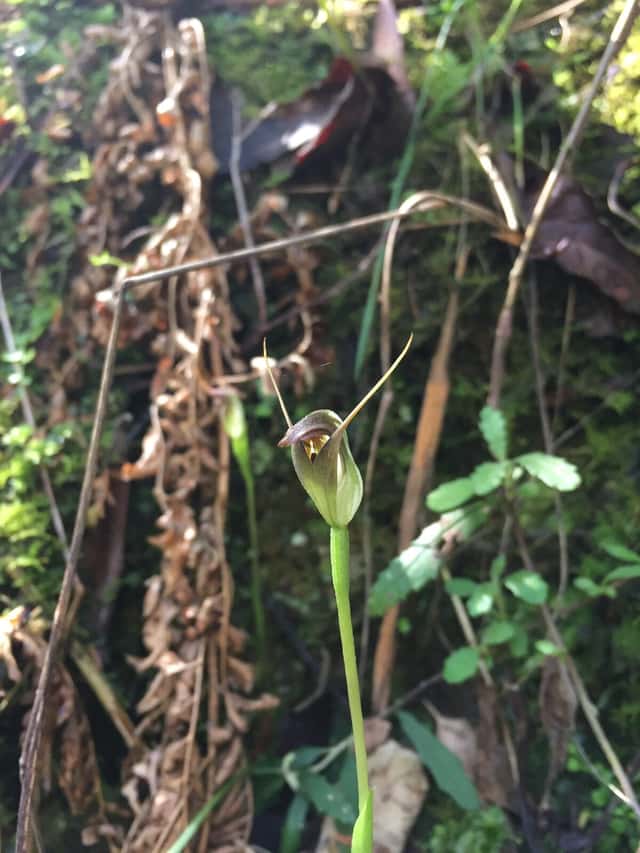
Maroonhood (Pterostylis pedunculata) is a hard-care plant from the Orchidaceae family. Pterostylis pedunculata, the maroonhood, is a small terrestrial orchid endemic to south-eastern Australia. From an underground tuber it produces a rosette of stalked leaves and a single hooded flower that is white and green at the base and stained deep reddish-brown to maroon over the hood, or galea...
Maroonhood grows up to 25cm, spread of 20cm, watering every 5 days, 3°C – 25°C, 50–70% humidity. It is not suitable for indoor environments and safe for pets.
Unlike easy-care plants, Maroonhood demands constant attention to humidity and light. Not recommended for beginners. Unlike many popular species, Maroonhood is safe to keep around pets.
How to Care for Maroonhood?
TLDR: Maroonhood needs Partial shade, watering every 5 days, and temperatures between 3-25°C with 50-70% humidity.
How Often Should You Water Maroonhood?
Keep the mix lightly and evenly moist during the autumn-to-spring growing season, never waterlogged. As the foliage yellows and dies back for summer, reduce watering sharply and keep the dormant tubers almost dry to prevent rot.
How Much Light Does Maroonhood Need?
Give bright, filtered or dappled light like the forest floor it comes from. Avoid harsh direct sun, which scorches the delicate rosette; a shaded, airy spot is ideal.
What Is the Best Soil for Maroonhood?
Use an open, free-draining terrestrial-orchid mix rich in leaf litter and humus, ideally carrying its native mycorrhizal fungi, at a slightly acidic pH around 5.5 to 6.5.
What Pot Should You Use for Maroonhood?
Grow in a shallow, wide terracotta or plastic pot with excellent drainage that lets a whole colony of tubers spread, and shelter it from heavy rain during summer dormancy.
Care Schedule
Repot
Every 365 days
What Is Maroonhood and Where Does It Come From?
Pterostylis pedunculata, the maroonhood, is a small terrestrial orchid endemic to south-eastern Australia. From an underground tuber it produces a rosette of stalked leaves and a single hooded flower that is white and green at the base and stained deep reddish-brown to maroon over the hood, or galea. It is a winter-growing, colony-forming greenhood of forests and woodlands, sometimes even growing on the fibrous trunks of tree ferns.
How to Propagate Maroonhood?
Tuber Division
- Divide only when the plant is dormant in summer.
- Handle the small tubers gently and keep the mycorrhizal mix intact.
- 1 Lift When Dormant
After the foliage has died back in summer, carefully tip out the pot and separate the naturally multiplied daughter tubers.
- 2 Replant
Reset the tubers a few centimeters deep in fresh, free-draining terrestrial orchid mix with their original fungal soil.
- 3 Rest and Restart
Keep almost dry until autumn, then resume light watering to trigger new growth.
Materials needed:
Symbiotic Seed Sowing
- Seed will not germinate without its mycorrhizal fungal partner.
- This is an advanced technique usually done by specialists.
- 1 Sow With Fungus
Sow the dust-like seed alongside a compatible mycorrhizal fungus, since the seed cannot germinate on its own.
- 2 Grow On
Maintain cool, humid, low-light conditions while protocorms slowly develop into tiny tubers.
Materials needed:
How Big Does Maroonhood Grow?
TLDR: Maroonhood can reach up to 25cm tall with Slow growth rate.
Max height
25cm
Spread
20cm
Growth rate
Slow
Foliage
Deciduous
Plant Uses
Ornamental
Great for decoration
Is your plant showing symptoms?
Click on the symptom to discover possible causes:
What Diseases Commonly Affect Maroonhood?
TLDR: Maroonhood is susceptible to 6 known diseases. Monitor regularly for early detection.
Root Rot
Root rot is a serious fungal disease that affects the root system of plants, causing them to decay and die. It is primarily caused by overwatering, poor drainage, or soil-borne fungi such as Pythium, Phytophthora, Rhizoctonia, and Fusarium. The disease thrives in waterlogged conditions where roots are deprived of oxygen, making them susceptible to fungal infection.
Overwatering
Overwatering occurs when plants receive too much water, depriving roots of oxygen and causing root rot. This environmental stress is one of the most common causes of houseplant death, as waterlogged soil prevents roots from breathing and functioning properly.
Fungus Gnats
Fungus gnats are small, gray-to-black mosquito-like insects (1/8 to 1/10 inches long) commonly found in indoor plants. Adult gnats are mostly a nuisance, but their larvae feed on plant roots and organic matter in soil, potentially causing serious damage to young or vulnerable plants. The larvae are translucent white with distinctive black heads and can leave slime trails on the soil surface in heavy infestations.
Slugs and Snails
Slugs and snails are mollusks that feed on plant tissue, causing irregular holes in leaves and damage to young seedlings. They are most active at night and in moist conditions, leaving characteristic silvery slime trails. These pests can quickly devastate gardens, especially during wet seasons.
Meaning & Symbolism
As one of the delicate greenhoods of the Australian bush, the maroonhood evokes mystery, subtlety and the quiet resilience of woodland life.
Compare with similar plants
| Attribute | Difficulty | Light | Watering | Pet Safe |
|---|---|---|---|---|
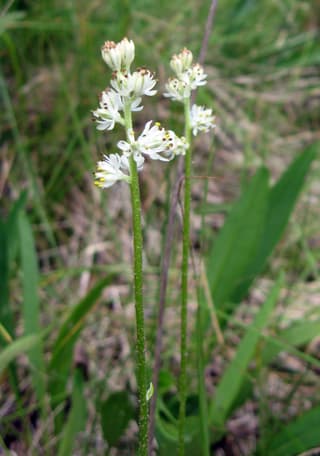
| Sticky false asphodel | Hard | Bright indirect | 1d | ✓ |
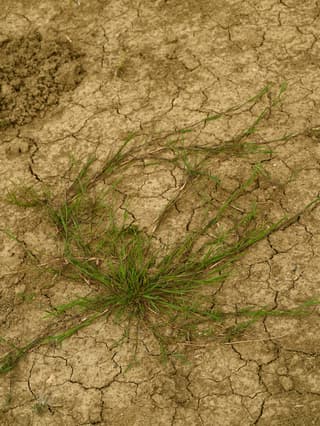
| Creeping bentgrass | Hard | Direct sun | 3d | ✓ |
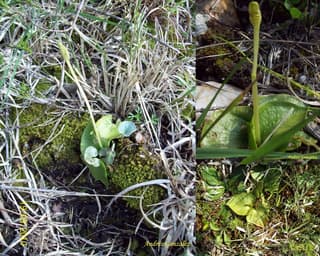
| Bulbous Adder's-tongue | Hard | Partial shade | 4d | ✓ |
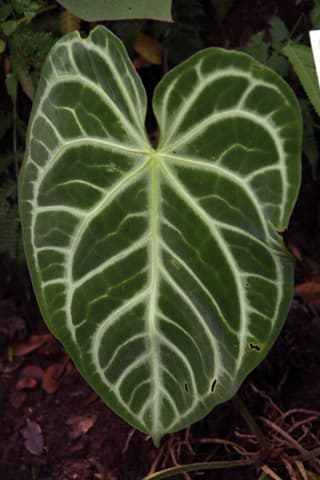
| Crystal Anthurium | Hard | Partial shade | 7d | ⚠️ |