Ericaceae
Marsh Labrador Tea: Aromatic Plant
Ledum palustre
Extremely demanding, it thrives only in cool climates with consistently moist, highly acidic peat soil; it tolerates calcareous soil and drying out poorly, making its care difficult.
Every 3 days
Partial shade
-40° - 25°C
60% - 90%
Categories
What is Marsh Labrador Tea?
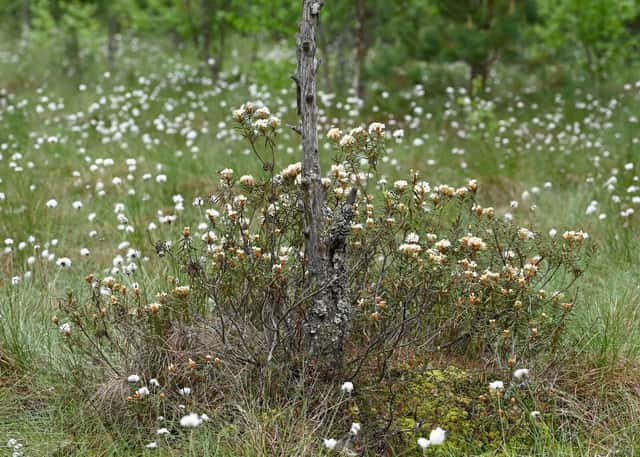
Marsh Labrador Tea (Ledum palustre) is a hard-care plant from the Ericaceae family. Marsh Labrador Tea (Ledum palustre, syn. Rhododendron tomentosum) is a characteristic low-growing evergreen shrub of peat bogs, marshes, and coniferous forests in the Northern Hemisphere. Its leathery leaves, which curl back at the edges, have a dense, rusty-brown felt-like indumentum on their under...
Marsh Labrador Tea grows up to 1.2m, spread of 100cm, watering every 3 days, -40°C – 25°C, 60–90% humidity. It is not suitable for indoor environments and not safe for pets.
Unlike easy-care plants, Marsh Labrador Tea demands constant attention to humidity and light. Not recommended for beginners. Without precautions, ingestion can cause irritation in pets. Keep out of reach of cats and dogs.
How to Care for Marsh Labrador Tea?
TLDR: Marsh Labrador Tea needs Partial shade, watering every 3 days, and temperatures between -40-25°C with 60-90% humidity.
How Often Should You Water Marsh Labrador Tea?
Its roots must never dry out – the peat needs to remain continuously moist. Water exclusively with rainwater or softened, lime-free water, as it has high water sensitivity.
How Much Light Does Marsh Labrador Tea Need?
It feels best in partial shade but can also survive in full sun, where it flowers more profusely; however, scorching midday sun can burn its leaves, so it's advisable to choose a sheltered spot.
What Is the Best Soil for Marsh Labrador Tea?
It will only survive in lime-free, very acidic (pH 3.5-5.5), peat-rich soil – neutral or calcareous soil will kill it within a short time.
What Pot Should You Use for Marsh Labrador Tea?
Glazed ceramic or plastic pots are recommended, as they retain moisture well; fill the pot exclusively with clean, acidic horticultural peat or a pine bark-peat mixture, ensuring constant moisture even with good drainage.
Care Schedule
Fertilize
Every 180 days
What Is Marsh Labrador Tea and Where Does It Come From?
Marsh Labrador Tea (Ledum palustre, syn. Rhododendron tomentosum) is a characteristic low-growing evergreen shrub of peat bogs, marshes, and coniferous forests in the Northern Hemisphere. Its leathery leaves, which curl back at the edges, have a dense, rusty-brown felt-like indumentum on their undersides, distinguishing it from similar rhododendron species. In late spring to early summer, small white flowers bloom in umbrella-like clusters, emitting a strong, intoxicating scent. All parts of the plant contain toxic diterpenes (ledol) and grayanotoxins, which can cause severe poisoning, dizziness, convulsions, and loss of consciousness if consumed in large quantities. As a traditional medicinal herb, it was only used in extremely small doses and externally.
How to Propagate Marsh Labrador Tea?
Seed Sowing
- Seeds germinate in light, do not cover them with soil.
- 1 Preparation
Sow seeds on the surface of acidic peat in autumn.
- 2 Stratification
Seeds require cold treatment for germination.
- 3 Germination
Keep the medium continuously moist and cool.
Materials needed:
Mound Layering
- The process is slow and requires patience.
- 1 Bending
Bend a lower branch down to the ground.
- 2 Securing
Secure the branch into moist peat and cover a section.
- 3 Separation
Once rooted, separate it from the mother plant.
Materials needed:
How Big Does Marsh Labrador Tea Grow?
TLDR: Marsh Labrador Tea can reach up to 1.2m tall with Slow growth rate.
Max height
1.2m
Spread
1.0m
Growth rate
Slow
Foliage
Evergreen
Warning: Toxic Plant
This plant can be toxic if ingested. Keep out of reach of:
Plant Uses
Ornamental
Great for decoration
Medicinal
Medicinal properties
Aromatic
Pleasant fragrance
Medicinal Uses
- Traditionally used externally for treating rheumatic and joint complaints
- As an insect and moth repellent with dried leaves
- In folk medicine for respiratory problems (cough, cold), exclusively under expert supervision and in small doses
Is your plant showing symptoms?
Click on the symptom to discover possible causes:
What Diseases Commonly Affect Marsh Labrador Tea?
TLDR: Marsh Labrador Tea is susceptible to 7 known diseases. Monitor regularly for early detection.
Phytophthora Root Rot
Disease caused by fungus-like organisms (oomycetes) that live in soil and can survive for years. It affects roots, stem, and crown of plants, being especially severe in waterlogged or poorly drained soils. It is the second most common cause of root rot in trees and shrubs.
Root Rot
Root rot is a serious fungal disease that affects the root system of plants, causing them to decay and die. It is primarily caused by overwatering, poor drainage, or soil-borne fungi such as Pythium, Phytophthora, Rhizoctonia, and Fusarium. The disease thrives in waterlogged conditions where roots are deprived of oxygen, making them susceptible to fungal infection.
Powdery Mildew
Powdery mildew is a common fungal disease caused by various fungi species including Erysiphe, Podosphaera, Oïdium, and Leveillula. It affects over 10,000 plant species worldwide. The disease thrives in warm, dry climates with high humidity and appears as a distinctive white powdery coating on plant surfaces.
Rust
Rust is a common fungal disease caused by fungi in the order Pucciniales that affects a wide variety of plants. The disease gets its name from the characteristic orange, yellow, or reddish-brown pustules that appear on leaves, resembling metal rust. This obligate fungal parasite requires living plants to survive and can cause significant economic losses in agricultural crops.
Meaning & Symbolism
A characteristic plant of northern peat bogs and coniferous forests; in Scandinavian and Baltic folklore, it is a symbol of protection and purification, used dried to repel moths and insects. Due to its strong scent and toxic compounds, it also symbolizes respect and caution.
Compare with similar plants
| Attribute | Difficulty | Light | Watering | Pet Safe |
|---|---|---|---|---|
| Azalea | Medium | Partial shade | 3d | ⚠️ |
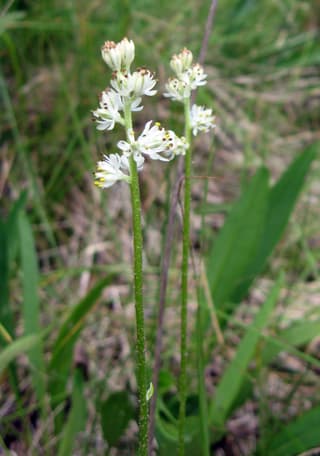
| Sticky false asphodel | Hard | Bright indirect | 1d | ✓ |
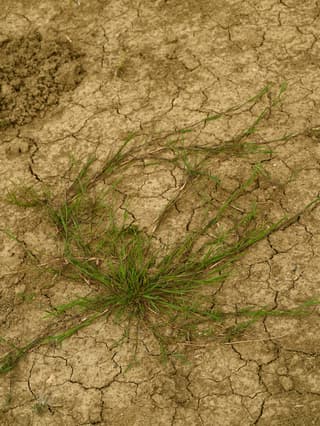
| Creeping bentgrass | Hard | Direct sun | 3d | ✓ |
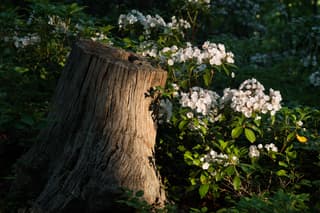
| Mountain Laurel | Medium | Partial shade | 7d | ⚠️ |