Convolvulaceae
Ipomoea tricolor: Growing and Caring for Mexican Morning Glory
Ipomoea tricolor
Grow in full sun with at least 6 hours of direct light and fertile, well-draining soil. Keep the soil evenly moist, especially during warm months, without letting it become waterlogged.
Every 3 days
Direct sun
10° - °C
% - %
Categories
What is Mexican Morning Glory?
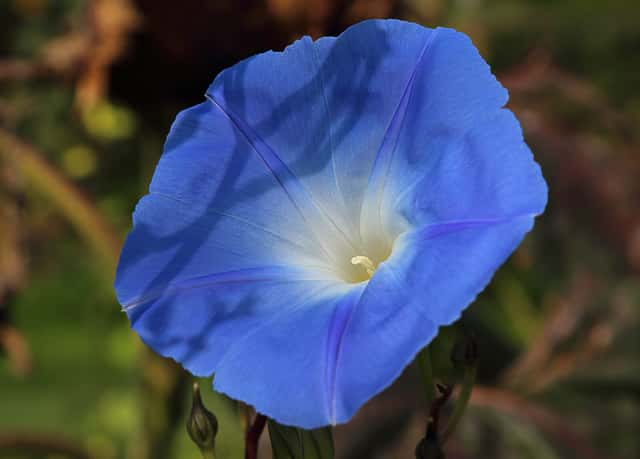
Mexican Morning Glory (Ipomoea tricolor) is a easy-care plant from the Convolvulaceae family. Ipomoea tricolor is a fast-growing annual (or tender perennial) twining vine native to the tropical regions of the Americas, particularly Mexico. It is best known through the cultivar 'Heavenly Blue', prized for its large, trumpet-shaped flowers in vivid blue with a white-to-golden throat that open...
Mexican Morning Glory grows up to 4.5m, watering every 3 days. It is not suitable for indoor environments and not safe for pets.
Unlike many tropical plants, Mexican Morning Glory tolerates watering mistakes. Best for beginners. Without precautions, ingestion can cause irritation in pets. Keep out of reach of cats and dogs.
How to Care for Mexican Morning Glory?
TLDR: Mexican Morning Glory needs Direct sun, watering every 3 days, and temperatures between 10-30°C with 40-70% humidity.
How Often Should You Water Mexican Morning Glory?
Water regularly to keep soil consistently moist but never soggy; container-grown plants need more frequent watering than those in the ground.
How Much Light Does Mexican Morning Glory Need?
Full sun is essential; too much shade sharply reduces flowering and weakens growth.
What Is the Best Soil for Mexican Morning Glory?
Use light, sandy to loamy soil enriched with organic matter and good drainage; heavy clay or waterlogged soil promotes root rot.
What Pot Should You Use for Mexican Morning Glory?
A large, deep pot with drainage holes, paired with a trellis or support structure for the climbing vines.
What Is Mexican Morning Glory and Where Does It Come From?
Ipomoea tricolor is a fast-growing annual (or tender perennial) twining vine native to the tropical regions of the Americas, particularly Mexico. It is best known through the cultivar 'Heavenly Blue', prized for its large, trumpet-shaped flowers in vivid blue with a white-to-golden throat that open in the morning and fade by afternoon. The heart-shaped leaves and twining stems can climb 4 meters or more given support. It is widely grown as an ornamental on trellises, fences, and arbors for its abundant summer and fall blooms. The seeds contain ergoline alkaloids (LSA) and are toxic if ingested.
How to Propagate Mexican Morning Glory?
Seed propagation
Seeds are toxic; handle with gloves and keep out of reach of children and pets.
- 1 Lightly nick or scarify the hard seed coat, or soak seeds in warm water for 24 hours to speed germination
- 2 Sow directly outdoors after the last frost, or start indoors 4-6 weeks earlier in individual pots
- 3 Keep the growing medium moist until germination
- 4 Transplant seedlings carefully, avoiding disturbance to the sensitive roots
- 5 Provide climbing support as soon as seedlings begin to vine
Materials needed:
How Big Does Mexican Morning Glory Grow?
TLDR: Mexican Morning Glory can reach up to 4.5m tall with Fast growth rate.
Max height
4.5m
Growth rate
Fast
Foliage
Deciduous
Warning: Toxic Plant
This plant can be toxic if ingested. Keep out of reach of:
Plant Uses
Ornamental
Great for decoration
Is your plant showing symptoms?
Click on the symptom to discover possible causes:
What Diseases Commonly Affect Mexican Morning Glory?
TLDR: Mexican Morning Glory is susceptible to 8 known diseases. Monitor regularly for early detection.
Aphids
Aphids are small, soft-bodied, pear-shaped insects (1/16 to 1/8 inch long) that feed by sucking nutrient-rich sap from plants. They reproduce rapidly and can quickly weaken plants, causing distorted growth and transmitting plant viruses. Aphids come in various colors including green, black, red, yellow, brown, and gray. They secrete honeydew, a sticky substance that attracts ants and encourages sooty mold growth.
Spider Mites
Spider mites are tiny arachnids (less than 1/20 inch long) related to spiders and ticks that feed on plant sap. They thrive in hot, dry conditions and can cause significant damage to ornamental and vegetable plants. During severe infestations, crop losses can reach 14% or higher as these pests disrupt vital plant processes including photosynthesis, carbon dioxide absorption, and transpiration.
Whiteflies
Whiteflies are small, soft-bodied, winged insects closely related to aphids and mealybugs. They are moth-like in appearance, about 1/16 inch long, triangular in shape, and gray-white in color. These sap-sucking pests feed on plant tissue, causing yellowing, stunted growth, and wilting. They also excrete honeydew, which attracts ants and promotes sooty mold growth. Whiteflies can transmit serious plant viruses.
Leafminers
Leafminers are the larvae of various insects including flies, moths, sawflies, and beetles that tunnel between leaf surfaces, creating distinctive serpentine trails or blotchy patches. While primarily cosmetic, severe infestations can weaken plants by reducing photosynthesis capacity and making them susceptible to secondary infections.
Meaning & Symbolism
Morning glory symbolizes fleeting love, new beginnings, and transient beauty, as each flower lasts only a single day.
Fun Facts
The famous 'Heavenly Blue' cultivar received the Royal Horticultural Society's Award of Garden Merit.
Flowers open in the morning and wilt by afternoon, giving the plant its common name.
In Mexico, it is traditionally used as a cover crop for its phytotoxic effect on weed seedlings.
Its seeds contain ergoline alkaloids, produced by a symbiotic fungus, chemically related to compounds found in LSD-related fungi.
Frequently asked questions
Is Ipomoea tricolor toxic?
How often should I water Ipomoea tricolor?
Can Ipomoea tricolor be grown in a pot?
How long does it take to bloom?
Compare with similar plants
| Attribute | Difficulty | Light | Watering | Pet Safe |
|---|---|---|---|---|
| Field Maple | Easy | Bright indirect | 14d | ✓ |
| Silver Birch | Easy | Direct sun | 14d | ✓ |
| Common Blanketflower | Easy | Direct sun | 10d | ✓ |
| Cushion Bush | Easy | Direct sun | 14d | ✓ |





