Orchidaceae
Military orchid
Orchis militaris
Needs sun, free-draining chalky soil and a cold winter. It dislikes feeding and standing water. After flowering it vanishes: leave the soil alone and mark the spot.
Every 7 days
Bright indirect
° - °C
% - %
Categories
What is Military orchid?
Military orchid (Orchis militaris) is a hard-care plant from the Orchidaceae family. Orchis militaris is a ground orchid native to Europe and temperate Asia, from England to Siberia. It grows 20 to 50 cm tall, sometimes 60, with pale green leaves in a rosette at the base. Between April and June it sends up a spike of 10 to 50 pink flowers. The upper petals close into a helmet, which...
Military orchid grows up to 60cm, watering every 7 days. It is not suitable for indoor environments and safe for pets.
Unlike easy-care plants, Military orchid demands constant attention to humidity and light. Not recommended for beginners. Unlike many popular species, Military orchid is safe to keep around pets.
How to Care for Military orchid?
TLDR: Military orchid needs Bright indirect, watering every 7 days, and temperatures between 15-30°C with 40-70% humidity.
How Often Should You Water Military orchid?
Water when the surface is dry, roughly once a week, only while it has leaves. Once it dies back in summer, almost stop. Standing water rots the tubers.
How Much Light Does Military orchid Need?
Full sun or bright part shade, like a woodland edge. It is a garden plant, not a houseplant.
What Is the Best Soil for Military orchid?
Loose chalky soil with grit, pH above 7. Poor soil suits it: fertilizer and acid soil set it back.
What Pot Should You Use for Military orchid?
Best in the ground. In a pot, use deep terracotta with a wide drainage hole and a layer of grit, and keep it outdoors in winter, sheltered from waterlogging.
What Is Military orchid and Where Does It Come From?
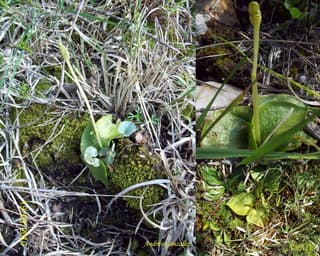
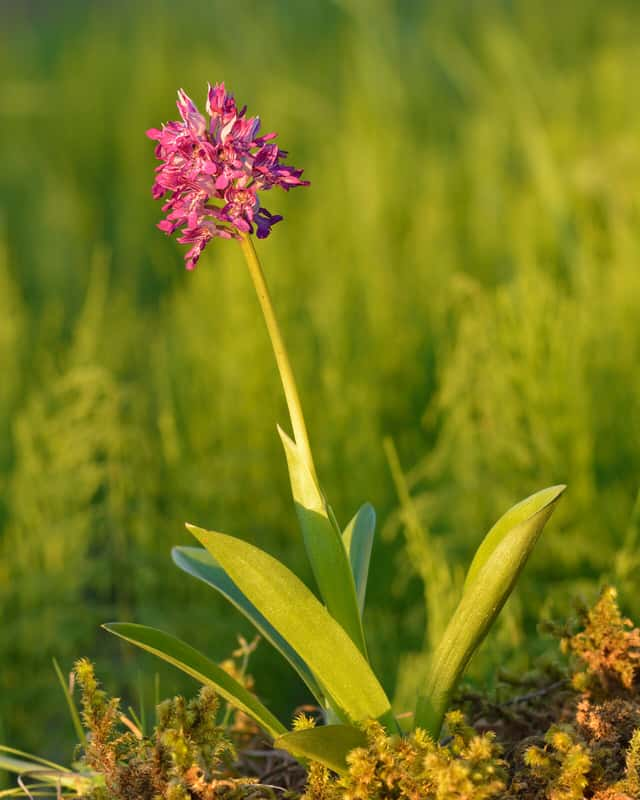
Orchis militaris is a ground orchid native to Europe and temperate Asia, from England to Siberia. It grows 20 to 50 cm tall, sometimes 60, with pale green leaves in a rosette at the base. Between April and June it sends up a spike of 10 to 50 pink flowers. The upper petals close into a helmet, which gives it the name military orchid. The lower part of each flower looks like a little figure with arms and legs spread, dotted with purple. Underground it keeps two round tubers that store food for next year. After flowering the plant dies back and disappears until autumn or spring. In the wild it lives in chalk grassland and woodland edges, and it is protected in several countries, including the UK.
How to Propagate Military orchid?
Seed
Buy nursery-raised plants from a legal source. Never dig one up from the wild: the species is protected in many countries.
- 1 The seeds are fine as dust and only germinate with help from a soil fungus
- 2 At home this only works in a lab, on sterile medium
- 3 Seedlings take several years to flower
- 4 Move them outdoors only after the last frost
Materials needed:
How Big Does Military orchid Grow?
TLDR: Military orchid can reach up to 60cm tall with Slow growth rate.
Max height
60cm
Growth rate
Slow
Foliage
Deciduous
Plant Uses
Ornamental
Great for decoration
Is your plant showing symptoms?
Click on the symptom to discover possible causes:
What Diseases Commonly Affect Military orchid?
TLDR: Military orchid is susceptible to 3 known diseases. Monitor regularly for early detection.
Slugs and Snails
Slugs and snails are mollusks that feed on plant tissue, causing irregular holes in leaves and damage to young seedlings. They are most active at night and in moist conditions, leaving characteristic silvery slime trails. These pests can quickly devastate gardens, especially during wet seasons.
Root Rot
Root rot is a serious fungal disease that affects the root system of plants, causing them to decay and die. It is primarily caused by overwatering, poor drainage, or soil-borne fungi such as Pythium, Phytophthora, Rhizoctonia, and Fusarium. The disease thrives in waterlogged conditions where roots are deprived of oxygen, making them susceptible to fungal infection.
Aphids
Aphids are small, soft-bodied, pear-shaped insects (1/16 to 1/8 inch long) that feed by sucking nutrient-rich sap from plants. They reproduce rapidly and can quickly weaken plants, causing distorted growth and transmitting plant viruses. Aphids come in various colors including green, black, red, yellow, brown, and gray. They secrete honeydew, a sticky substance that attracts ants and encourages sooty mold growth.
Fun Facts
It is the type species of the genus Orchis, described by Linnaeus in 1753
In Britain it grows in only two places, one of them a reserve in Suffolk
Its tubers were once ground to make salep, an old hot drink from Turkey
Frequently asked questions
Has my military orchid died after flowering?
How often should I water Orchis militaris?
Can I grow it indoors?
Can I take one from the wild?
Compare with similar plants
| Attribute | Difficulty | Light | Watering | Pet Safe |
|---|---|---|---|---|
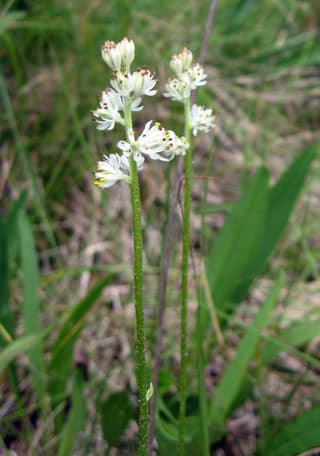
| Sticky false asphodel | Hard | Bright indirect | 1d | ✓ |
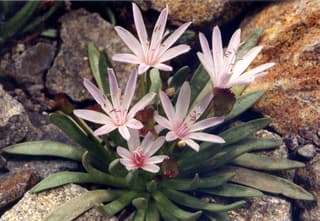
| Truckee lewisia | Hard | Bright indirect | 10d | ✓ |
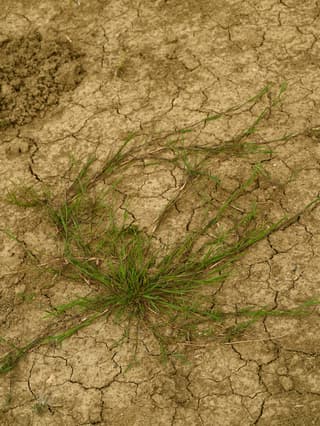
| Creeping bentgrass | Hard | Direct sun | 3d | ✓ |
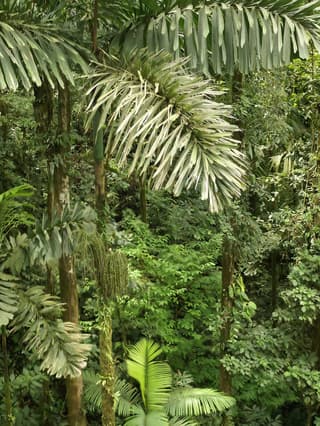
| Walking Palm | Hard | Bright indirect | 3d | ✓ |