Apocynaceae
Milkweed (Genus Asclepias)
Asclepias
Easy plants: full sun, well-drained soil and little water once established. They need no fertilizer; overly rich soil cuts flowering. Plant away from children and pets because they are poisonous. Cold-climate species die back in winter and return in spring.
Every 10 days
Direct sun
° - °C
% - %
Categories
What is Milkweed?
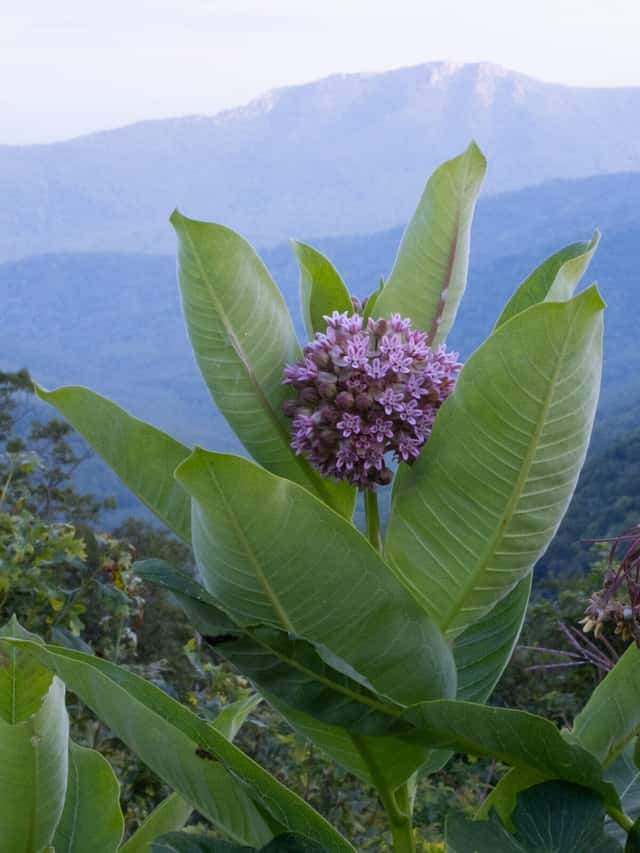
Milkweed (Asclepias) is a easy-care plant from the Apocynaceae family. Asclepias is a genus of more than 200 species in the family Apocynaceae, native to the Americas and Africa. Most are herbaceous perennials whose stems are full of milky latex. The flowers, in rounded clusters, have a complex shape with reflexed petals and a central crown, in orange, pink, purple, wh...
Milkweed grows up to 1.8m, watering every 10 days. It is not suitable for indoor environments and not safe for pets.
Unlike many tropical plants, Milkweed tolerates watering mistakes. Best for beginners. Without precautions, ingestion can cause irritation in pets. Keep out of reach of cats and dogs.
How to Care for Milkweed?
TLDR: Milkweed needs Direct sun, watering every 10 days, and temperatures between 15-30°C with 40-70% humidity.
How Often Should You Water Milkweed?
Water regularly during the first season so the roots establish. After that most species handle drought: water only when the soil is dry a few centimeters down. Swamp milkweed is the exception and likes consistently moist soil.
How Much Light Does Milkweed Need?
Full sun. With less than 6 hours of direct sun it flowers poorly and the stems get weak.
What Is the Best Soil for Milkweed?
Well-drained soil, even poor soil. Avoid heavily fertilized ground. Some species tolerate wet soil, others prefer dry, sandy soil.
What Pot Should You Use for Milkweed?
Best in the ground. In a container, use a deep pot, since many species have a taproot, with drainage holes and free-draining mix.
What Is Milkweed and Where Does It Come From?
Asclepias is a genus of more than 200 species in the family Apocynaceae, native to the Americas and Africa. Most are herbaceous perennials whose stems are full of milky latex. The flowers, in rounded clusters, have a complex shape with reflexed petals and a central crown, in orange, pink, purple, white, yellow or red depending on the species. They are followed by pods that split to release seeds with silky hairs carried by the wind. It is the food plant of monarch butterfly caterpillars. All parts are toxic.
How to Propagate Milkweed?
Seed
Cold-climate species need this chill to germinate well. Tropical milkweed germinates without stratification.
- 1 Collect pods just before they split and let them dry
- 2 Sow outdoors in fall, 0.5 cm deep
- 3 For spring sowing, refrigerate the seeds for 30-60 days first
- 4 Thin seedlings to 45-60 cm apart
Materials needed:
Stem cutting
Wear gloves: the latex irritates skin and eyes. Established plants dislike being divided or moved.
- 1 Cut green stems about 1 cm thick
- 2 Recut the base under water
- 3 Dip in rooting hormone
- 4 Plant in moist sand or potting mix
Materials needed:
How Big Does Milkweed Grow?
TLDR: Milkweed can reach up to 1.8m tall with Medium growth rate.
Max height
1.8m
Growth rate
Medium
Foliage
Deciduous
Warning: Toxic Plant
This plant can be toxic if ingested. Keep out of reach of:
Plant Uses
Ornamental
Great for decoration
Medicinal
Medicinal properties
Medicinal Uses
- Several Native American nations used common milkweed in traditional medicine. Because it is toxic, it should not be used without expert guidance.
Is your plant showing symptoms?
Click on the symptom to discover possible causes:
What Diseases Commonly Affect Milkweed?
TLDR: Milkweed is susceptible to 6 known diseases. Monitor regularly for early detection.
Aphids
Aphids are small, soft-bodied, pear-shaped insects (1/16 to 1/8 inch long) that feed by sucking nutrient-rich sap from plants. They reproduce rapidly and can quickly weaken plants, causing distorted growth and transmitting plant viruses. Aphids come in various colors including green, black, red, yellow, brown, and gray. They secrete honeydew, a sticky substance that attracts ants and encourages sooty mold growth.
Sap-sucking Insects
Caterpillars
Caterpillars are the larval stage of moths and butterflies that feed voraciously on plant foliage, stems, flowers, and fruits. Common species include cabbage loopers, tomato hornworms, armyworms, and cutworms. These pests can cause extensive damage by consuming large amounts of plant tissue in a short time. They vary in size from small (1/4 inch) to large (5 inches), with colors ranging from green to brown, often featuring stripes or spots. Caterpillars are highly mobile and can quickly spread throughout gardens, making them one of the most destructive common pests.
Milkweed Yellows
Milkweed yellows is caused by phytoplasmas, which are specialized bacteria lacking cell walls. The disease is transmitted by leafhoppers. Infected plants exhibit yellowing leaves, distorted shoots, and often develop witches' brooms, where numerous small, weak shoots grow in a cluster. Flowers frequently remain green or become malformed.
Fun Facts
Milkweed floss was collected in World War II to fill life jackets.
Monarch caterpillars store the plant toxins and become poisonous to birds.
The flowers are among the most complex in the plant kingdom, with pollen packed into sacs called pollinia.
Frequently asked questions
Is milkweed toxic to dogs and cats?
Why plant milkweed?
How do I control aphids on milkweed?
Do milkweed seeds need cold?
Compare with similar plants
| Attribute | Difficulty | Light | Watering | Pet Safe |
|---|---|---|---|---|
| Field Maple | Easy | Bright indirect | 14d | ✓ |
| Iberian Houseleek | Easy | Direct sun | 14d | ✓ |
| Silver Birch | Easy | Direct sun | 14d | ✓ |
| Common Blanketflower | Easy | Direct sun | 10d | ✓ |





