Lamiaceae
Moldavian dragonhead: Aromatic Plant
Dracocephalum moldavica
Prefers sunny or partially shaded locations and well-drained, looser soil. Keep the soil moderately moist, but avoid waterlogging, as it can lead to root rot. Once established, it can tolerate drought. Seeds can be sown directly outdoors in spring, and pinching back shoots in May will result in a bushier plant.
Every 3 days
Bright indirect
18° - 24°C
40% - 70%
Categories
What is Moldavian dragonhead?
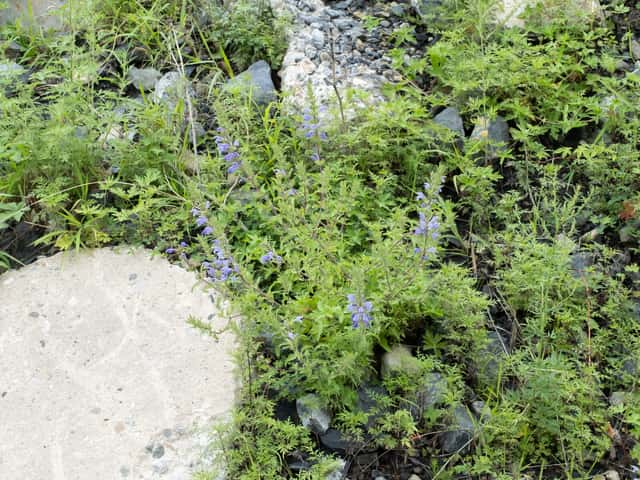
Moldavian dragonhead (Dracocephalum moldavica) is a easy-care plant from the Lamiaceae family. Moldavian dragonhead (Dracocephalum moldavica) is an annual, lemon-scented spice and medicinal herb belonging to the mint family (Lamiaceae). It typically grows 30-60 cm tall, producing bluish-purple flowers in summer (July to August) that are attractive to insects. It is native to temperate regions...
Moldavian dragonhead grows up to 60cm, spread of 30cm, watering every 3 days, 18°C – 24°C, 40–70% humidity. It is not suitable for indoor environments and safe for pets.
Unlike many tropical plants, Moldavian dragonhead tolerates watering mistakes. Best for beginners. Unlike many popular species, Moldavian dragonhead is safe to keep around pets.
How to Care for Moldavian dragonhead?
TLDR: Moldavian dragonhead needs Bright indirect, watering every 3 days, and temperatures between 18-24°C with 40-70% humidity.
How Often Should You Water Moldavian dragonhead?
Water moderately, keeping the soil slightly moist but never waterlogged, as standing water causes root rot.
How Much Light Does Moldavian dragonhead Need?
Requires full sun or light partial shade; at least 6 hours of daily light promotes more abundant flowering and a stronger fragrance.
What Is the Best Soil for Moldavian dragonhead?
Loose, well-drained, moderately fertile soil with a pH between 6.0-7.5 is ideal; it tolerates sandy, loamy, and clay soils.
What Pot Should You Use for Moldavian dragonhead?
A medium-sized pot or container with drainage holes, grown in loose, well-drained potting mix.
Care Schedule
Fertilize
Every 14 days
What Is Moldavian dragonhead and Where Does It Come From?
Moldavian dragonhead (Dracocephalum moldavica) is an annual, lemon-scented spice and medicinal herb belonging to the mint family (Lamiaceae). It typically grows 30-60 cm tall, producing bluish-purple flowers in summer (July to August) that are attractive to insects. It is native to temperate regions of Asia and has naturalized in many parts of Eurasia. Its leaves and flowers are strongly fragrant, and their essential oil is rich in citral, often leading to confusion with lemon balm.
How Big Does Moldavian dragonhead Grow?
TLDR: Moldavian dragonhead can reach up to 60cm tall with Fast growth rate.
Max height
60cm
Spread
30cm
Growth rate
Fast
Foliage
Deciduous
Plant Uses
Ornamental
Great for decoration
Edible
Can be consumed
Medicinal
Medicinal properties
Aromatic
Pleasant fragrance
Medicinal Uses
- Traditionally used as an astringent, carminative, and tonic
- Used in folk medicine for fever reduction and wound healing
Culinary Uses
- Tea can be brewed from its lemon-scented leaves
- Young shoots are edible
Is your plant showing symptoms?
Click on the symptom to discover possible causes:
What Diseases Commonly Affect Moldavian dragonhead?
TLDR: Moldavian dragonhead is susceptible to 2 known diseases. Monitor regularly for early detection.
Powdery Mildew
Powdery mildew is a common fungal disease caused by various fungi species including Erysiphe, Podosphaera, Oïdium, and Leveillula. It affects over 10,000 plant species worldwide. The disease thrives in warm, dry climates with high humidity and appears as a distinctive white powdery coating on plant surfaces.
Root Rot
Root rot is a serious fungal disease that affects the root system of plants, causing them to decay and die. It is primarily caused by overwatering, poor drainage, or soil-borne fungi such as Pythium, Phytophthora, Rhizoctonia, and Fusarium. The disease thrives in waterlogged conditions where roots are deprived of oxygen, making them susceptible to fungal infection.
Compare with similar plants
| Attribute | Difficulty | Light | Watering | Pet Safe |
|---|---|---|---|---|
| Field Maple | Easy | Bright indirect | 14d | ✓ |
| Iberian Houseleek | Easy | Direct sun | 14d | ✓ |
| Silver Birch | Easy | Direct sun | 14d | ✓ |
| Common Blanketflower | Easy | Direct sun | 10d | ✓ |





