Poaceae
Moso Bamboo (Phyllostachys edulis): Complete Care Guide
Phyllostachys edulis
A resilient, vigorous plant requiring full sun and regular watering. Grows best in well-drained, loamy soil and tolerates moderate frost. Best suited for large gardens, privacy screens, and sustainable landscaping.
Every 7 days
Direct sun
-10° - 35°C
50% - 80%
Categories
What is Moso Bamboo?
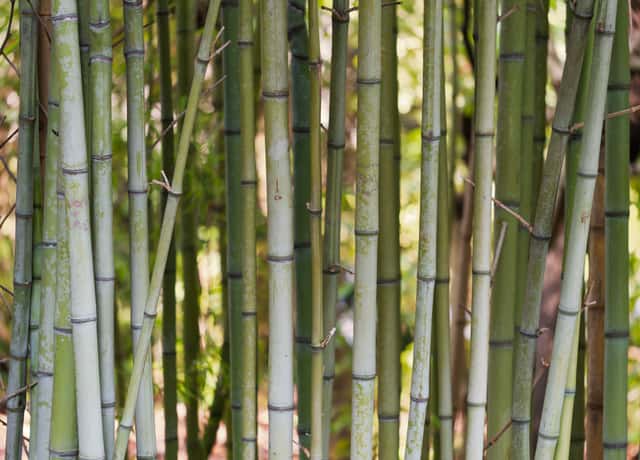
Moso Bamboo (Phyllostachys edulis) is a medium-care plant from the Poaceae family. Moso Bamboo (Phyllostachys edulis) is the world's largest temperate bamboo, native to the mountain forests of central China. Its culms can reach up to 28 meters tall and 15 cm in diameter. Widely cultivated for edible shoots, construction timber, and ornamental beauty, it is also one of the fastest-...
Moso Bamboo grows up to 28.0m, spread of 500cm, watering every 7 days, -10°C – 35°C, 50–80% humidity. It is not suitable for indoor environments and safe for pets.
Unlike many popular species, Moso Bamboo is safe to keep around pets.
How to Care for Moso Bamboo?
TLDR: Moso Bamboo needs Direct sun, watering every 7 days, and temperatures between -10-35°C with 50-80% humidity.
How Often Should You Water Moso Bamboo?
Water every 7 days, keeping the soil consistently moist but never waterlogged. Increase frequency during hot, dry spells. Avoid standing water around roots to prevent root rot.
How Much Light Does Moso Bamboo Need?
Requires at least 6-8 hours of direct sunlight daily. Avoid prolonged shade, which weakens culms and reduces growth vigor.
What Is the Best Soil for Moso Bamboo?
Prefers loamy soil rich in organic matter with good drainage. Ideal pH 5.5–7.0. Amend with compost before planting to improve fertility and structure.
What Pot Should You Use for Moso Bamboo?
Large wooden planter or terracotta container with excellent drainage. For container growing, use at least a 100L pot.
Care Schedule
Fertilize
Every 45 days
Misting
Every 3 days
Rotate
Every 7 days
Repot
Every 365 days
What Is Moso Bamboo and Where Does It Come From?
Moso Bamboo (Phyllostachys edulis) is the world's largest temperate bamboo, native to the mountain forests of central China. Its culms can reach up to 28 meters tall and 15 cm in diameter. Widely cultivated for edible shoots, construction timber, and ornamental beauty, it is also one of the fastest-growing plants on Earth.
How to Propagate Moso Bamboo?
Rhizome Division
Divide in early spring before new shoots emerge. Use sharp, clean tools. Shade new divisions for the first few weeks to reduce stress.
- 1 Carefully dig up a bamboo clump in early spring
- 2 Separate rhizome sections with 2-3 nodes and visible buds
- 3 Plant immediately in moist, well-prepared soil
- 4 Water thoroughly and keep moist for 4-6 weeks
Materials needed:
Seed Sowing
Bamboo seeds are rare as the plant flowers only once in its lifetime. Division is strongly preferred.
- 1 Surface-sow seeds on moist substrate at 20°C
- 2 Keep in a warm, bright location
- 3 Transplant seedlings when 15-20 cm tall
Materials needed:
How Big Does Moso Bamboo Grow?
TLDR: Moso Bamboo can reach up to 28.0m tall with Fast growth rate.
Max height
28.0m
Spread
5.0m
Growth rate
Fast
Foliage
Evergreen
Plant Uses
Ornamental
Great for decoration
Edible
Can be consumed
Culinary Uses
- Boiled bamboo shoot soup
- Stir-fried bamboo shoots
- Pickled bamboo shoots
- Grilled bamboo shoots
Is your plant showing symptoms?
Click on the symptom to discover possible causes:
What Diseases Commonly Affect Moso Bamboo?
TLDR: Moso Bamboo is susceptible to 4 known diseases. Monitor regularly for early detection.
Root Rot
Root rot is a serious fungal disease that affects the root system of plants, causing them to decay and die. It is primarily caused by overwatering, poor drainage, or soil-borne fungi such as Pythium, Phytophthora, Rhizoctonia, and Fusarium. The disease thrives in waterlogged conditions where roots are deprived of oxygen, making them susceptible to fungal infection.
Overwatering
Overwatering occurs when plants receive too much water, depriving roots of oxygen and causing root rot. This environmental stress is one of the most common causes of houseplant death, as waterlogged soil prevents roots from breathing and functioning properly.
Scale Insects
Scale insects are small sap-sucking pests that appear as brown, shell-like bumps on plant stems and leaves. There are over 25 species, divided into armored (hard) and unarmored (soft) scales. They feed by piercing plant tissue and extracting sap, which weakens the plant and can lead to yellowing, stunted growth, and even death if left untreated. They also excrete honeydew, which attracts ants and promotes sooty mold growth.
Rust
Rust is a common fungal disease caused by fungi in the order Pucciniales that affects a wide variety of plants. The disease gets its name from the characteristic orange, yellow, or reddish-brown pustules that appear on leaves, resembling metal rust. This obligate fungal parasite requires living plants to survive and can cause significant economic losses in agricultural crops.
Meaning & Symbolism
In Chinese culture, bamboo symbolizes resilience, flexibility, and integrity. Moso bamboo represents strength through adversity and longevity.
Fun Facts
Can grow over 90 cm in a single day during spring
It is the primary source of bamboo flooring and traditional Chinese crafts
Its shoots are considered a culinary delicacy in Japan and China
The plant flowers only once in its lifetime, after decades of vegetative growth
Frequently asked questions
How often should I water Moso Bamboo?
Is Moso Bamboo toxic to pets?
Can Moso Bamboo be grown in a container?
How fast does Moso Bamboo grow?
Compare with similar plants
| Attribute | Difficulty | Light | Watering | Pet Safe |
|---|---|---|---|---|
| Dark Fieldcap | Medium | Low light | 2d | ⚠️ |
| Azalea | Medium | Partial shade | 3d | ⚠️ |
| Muriel's Bamboo | Medium | Partial shade | 3d | ✓ |
| Bougainvillea | Medium | Direct sun | 7d | ⚠️ |




