Moraceae
Mulberries (Morus genus)
Morus
An easy garden tree: full sun, deep well-drained soil and watering in dry spells while young. Prune only when the tree is bare, from late fall to midwinter. The milky sap and unripe berries are harmful if eaten; only the ripe fruit is edible.
Every 10 days
Direct sun
° - °C
% - %
Categories
What is Mulberries?
Mulberries (Morus) is a easy-care plant from the Moraceae family. Morus is the mulberry genus, trees in the Moraceae, the fig family. There are about 17 species from temperate and subtropical Asia, North America and northwestern South America; the most planted are white mulberry (Morus alba), black mulberry (Morus nigra) and red mulberry (Morus rubra). They drop t...
Mulberries grows up to 20.0m, spread of 1500cm, watering every 10 days. It is not suitable for indoor environments and not safe for pets.
Unlike many tropical plants, Mulberries tolerates watering mistakes. Best for beginners. Without precautions, ingestion can cause irritation in pets. Keep out of reach of cats and dogs.
How to Care for Mulberries?
TLDR: Mulberries needs Direct sun, watering every 10 days, and temperatures between 15-30°C with 40-70% humidity.
How Often Should You Water Mulberries?
For the first few years water every 7-10 days in dry weather, soaking deeply. Established trees tolerate drought and only need water in long dry spells, especially while fruiting. Container trees need more frequent watering.
How Much Light Does Mulberries Need?
Full sun is best. It tolerates part shade but fruits less. In cold areas a sheltered, sunny spot helps.
What Is the Best Soil for Mulberries?
Deep, fertile soil that holds moisture but drains well, slightly acidic to neutral (pH 5.5-7.5). Mix compost into the planting hole if the soil is poor.
What Pot Should You Use for Mulberries?
For containers choose a dwarf variety and a pot at least 50 cm wide and deep with good drainage.
Care Schedule
Fertilize
Every 365 days
What Is Mulberries and Where Does It Come From?
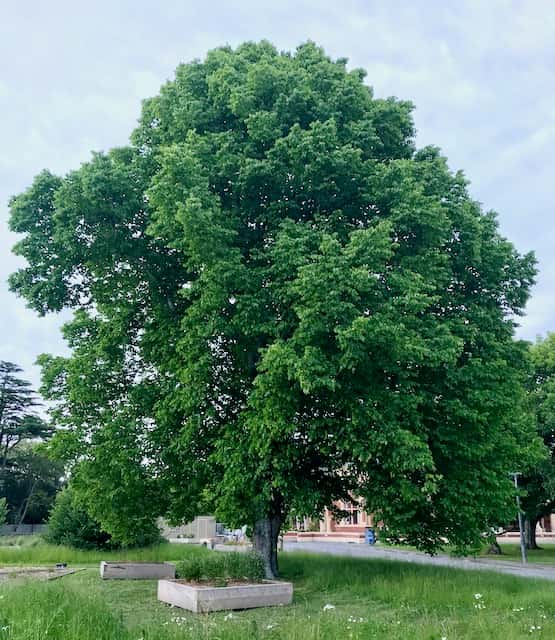
Morus is the mulberry genus, trees in the Moraceae, the fig family. There are about 17 species from temperate and subtropical Asia, North America and northwestern South America; the most planted are white mulberry (Morus alba), black mulberry (Morus nigra) and red mulberry (Morus rubra). They drop their leaves in winter, grow fast and in cultivation usually reach 10-15 m with a broad crown. Leaves are alternate, toothed and often lobed, especially on young shoots. Small greenish flowers appear in catkins in spring, followed by the mulberries: fruits 2-3 cm long that turn from green to red and dark purple, or stay white, depending on the species. Despite the look, they are not related to blackberries (Rubus). White mulberry leaves are the food of the silkworm.
How to Propagate Mulberries?
Hardwood cuttings
Large cuttings root readily and fruit much sooner than seedlings. Take wood from female trees to be sure of fruit.
- 1 In winter, while the tree is bare, cut 20-30 cm lengths of this year's wood
- 2 Bury two thirds of each cutting in a pot or trench of light soil
- 3 Keep the soil moist but not soggy
- 4 Transplant the following spring once shoots and roots form
Materials needed:
Seeds
Seedlings can take up to ten years to fruit and may turn out male, with no fruit.
- 1 Mash very ripe berries and rinse out the seeds
- 2 Store the seeds in damp sand in the fridge for 1-3 months
- 3 Sow shallowly in light mix
- 4 Keep moist in a bright spot
Materials needed:
Grafting
Grafting is also used to convert a male tree into a fruiting female.
- 1 Collect scion wood from a known variety while the tree is dormant
- 2 Graft onto a mulberry rootstock
- 3 Bind firmly and seal the cut
- 4 Rub off any rootstock shoots below the graft
Materials needed:
How Big Does Mulberries Grow?
TLDR: Mulberries can reach up to 20.0m tall with Fast growth rate.
Max height
20.0m
Spread
15.0m
Growth rate
Fast
Foliage
Deciduous
Warning: Toxic Plant
This plant can be toxic if ingested. Keep out of reach of:
Plant Uses
Edible
Can be consumed
Ornamental
Great for decoration
Medicinal
Medicinal properties
Medicinal Uses
- Black mulberry was used in folk medicine against intestinal worms
- Mulberry leaves and fruit are sold as dietary supplements
Culinary Uses
- Fresh ripe berries
- Jams, pies and juices
- Mulberry wine and cordials
- Mulberry leaf tea
Is your plant showing symptoms?
Click on the symptom to discover possible causes:
What Diseases Commonly Affect Mulberries?
TLDR: Mulberries is susceptible to 9 known diseases. Monitor regularly for early detection.
Powdery Mildew
Powdery mildew is a common fungal disease caused by various fungi species including Erysiphe, Podosphaera, Oïdium, and Leveillula. It affects over 10,000 plant species worldwide. The disease thrives in warm, dry climates with high humidity and appears as a distinctive white powdery coating on plant surfaces.
Leaf Spot
Leaf spot is a common fungal disease caused by various pathogens including Alternaria, Ascochyta, Colletotrichum, Septoria, and Venturia. It primarily affects leaves, causing discolored spots that can lead to premature leaf drop if left untreated.
Canker
Canker is a disease caused by various fungi and bacteria that create necrotic, sunken areas on bark of branches, stems, and trunks. Pathogens enter through wounds and natural openings, especially when plants are stressed. Canker can gradually weaken or kill branches by disrupting water and nutrient flow.
Bacterial Blight
Bacterial blight is a serious plant disease caused by pathogenic bacteria that enters plants through wounds or natural openings. It spreads rapidly in warm, wet conditions and can cause significant damage to leaves, stems, and flowers. The bacteria are transmitted by water splash, contaminated tools, and insects.
Fun Facts
White mulberry leaves are the only food of the silkworm.
Mulberries are not related to blackberries; they belong to different families.
Some North American cities have banned planting male mulberry trees because of their allergenic pollen.
Frequently asked questions
When should I prune a mulberry?
Why doesn't my mulberry fruit?
Is mulberry poisonous?
Can a mulberry grow in a pot?
Compare with similar plants
| Attribute | Difficulty | Light | Watering | Pet Safe |
|---|---|---|---|---|
| Field Maple | Easy | Bright indirect | 14d | ✓ |
| Iberian Houseleek | Easy | Direct sun | 14d | ✓ |
| Silver Birch | Easy | Direct sun | 14d | ✓ |
| Common Blanketflower | Easy | Direct sun | 10d | ✓ |





