Burseraceae
Myrrh: Aromatic Plant
Commiphora myrrha
An extremely drought-resistant plant adapted to hot, arid climates. It requires full sun, very well-draining substrate (cactus/succulent type), and spaced watering, allowing the soil to dry out completely between waterings. It is sensitive to waterlogging, which quickly causes root rot. Outside its hardiness range (zones 10-12), it should be grown in containers and protected from frost.
Every 18 days
Direct sun
10° - 38°C
20% - 40%
Categories
What is Myrrh?
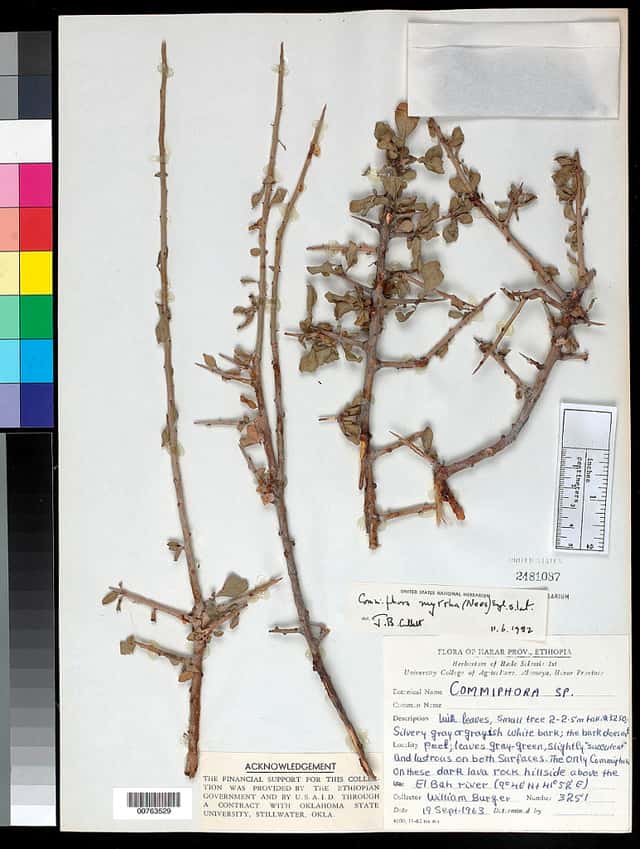
Myrrh (Commiphora myrrha) is a hard-care plant from the Burseraceae family. Commiphora myrrha is a large shrub or small thorny deciduous tree native to the arid regions of Northeast Africa (Ethiopia, Somalia, Kenya) and the Arabian Peninsula (Oman, Yemen, Saudi Arabia). It features twisted, zigzagging gray branches often ending in sharp spines, light papery bark that peels...
Myrrh grows up to 5.0m, spread of 600cm, watering every 18 days, 10°C – 38°C, 20–40% humidity. It is suitable for indoor environments and safe for pets.
Unlike easy-care plants, Myrrh demands constant attention to humidity and light. Not recommended for beginners. Unlike many popular species, Myrrh is safe to keep around pets. Without adequate drainage, root rot can develop within 36 days.
How to Care for Myrrh?
TLDR: Myrrh needs Direct sun, watering every 18 days, and temperatures between 10-38°C with 20-40% humidity.
How Often Should You Water Myrrh?
Water only when the substrate is completely dry, usually every 2-3 weeks; reduce even further in winter or during leaf dormancy. Excess water is the primary cause of plant death in cultivation.
How Much Light Does Myrrh Need?
Requires direct full sun for several hours a day; does not tolerate shade. Indoors, place near a very bright window or use strong supplemental lighting.
What Is the Best Soil for Myrrh?
Use a fast-draining mineral substrate—a mix of coarse sand, perlite, and a small amount of organic soil, similar to that used for succulents and cacti, with a neutral to slightly alkaline pH.
What Pot Should You Use for Myrrh?
Clay or terracotta pots, porous and with multiple drainage holes to allow for rapid drying of the substrate; shallow, wide pots are ideal when grown in a caudiciform or bonsai style.
Care Schedule
Fertilize
Every 90 days
Rotate
Every 14 days
Repot
Every 730 days
What Is Myrrh and Where Does It Come From?
Commiphora myrrha is a large shrub or small thorny deciduous tree native to the arid regions of Northeast Africa (Ethiopia, Somalia, Kenya) and the Arabian Peninsula (Oman, Yemen, Saudi Arabia). It features twisted, zigzagging gray branches often ending in sharp spines, light papery bark that peels in strips, and small, aromatic trifoliate leaves. It is famous for exuding an aromatic, brownish-yellow oleoresin—myrrh—when wounded, which has been used for millennia in incense, perfumes, cosmetics, and traditional medicine. It tolerates poor, stony soils, extreme heat, and long periods of drought.
How Big Does Myrrh Grow?
TLDR: Myrrh can reach up to 5.0m tall with Slow growth rate.
Max height
5.0m
Spread
6.0m
Growth rate
Slow
Foliage
Deciduous
Plant Uses
Medicinal
Medicinal properties
Aromatic
Pleasant fragrance
Ornamental
Great for decoration
Medicinal Uses
- Resin used as a topical anti-inflammatory and healing agent for wounds, skin ulcers, and boils
- Broad-spectrum antimicrobial properties against bacteria, fungi, and some protozoa
- Traditional use in mouthwashes and rinses for gingivitis, canker sores, and throat inflammation
- Historical use in treating dyspepsia, bronchial infections, and ear infections
- Myrrh extract studied for accelerating fibroblast proliferation and re-epithelialization in wounds
Culinary Uses
- The aromatic gum-resin is used in small quantities to flavor beverages, sweets, and chewing gum in some Middle Eastern and Horn of Africa traditions
Is your plant showing symptoms?
Click on the symptom to discover possible causes:
What Diseases Commonly Affect Myrrh?
TLDR: Myrrh is susceptible to 6 known diseases. Monitor regularly for early detection.
Overwatering
Overwatering occurs when plants receive too much water, depriving roots of oxygen and causing root rot. This environmental stress is one of the most common causes of houseplant death, as waterlogged soil prevents roots from breathing and functioning properly.
Root Rot
Root rot is a serious fungal disease that affects the root system of plants, causing them to decay and die. It is primarily caused by overwatering, poor drainage, or soil-borne fungi such as Pythium, Phytophthora, Rhizoctonia, and Fusarium. The disease thrives in waterlogged conditions where roots are deprived of oxygen, making them susceptible to fungal infection.
Phytophthora Root Rot
Disease caused by fungus-like organisms (oomycetes) that live in soil and can survive for years. It affects roots, stem, and crown of plants, being especially severe in waterlogged or poorly drained soils. It is the second most common cause of root rot in trees and shrubs.
Spider Mites
Spider mites are tiny arachnids (less than 1/20 inch long) related to spiders and ticks that feed on plant sap. They thrive in hot, dry conditions and can cause significant damage to ornamental and vegetable plants. During severe infestations, crop losses can reach 14% or higher as these pests disrupt vital plant processes including photosynthesis, carbon dioxide absorption, and transpiration.
Meaning & Symbolism
A symbol of sacrifice, mourning, and sacredness since antiquity; it was one of the gifts of the Magi and was used in embalming, temple incense, and sacred anointing oils in Egypt, Israel, and Arabia.
Compare with similar plants
| Attribute | Difficulty | Light | Watering | Pet Safe |
|---|---|---|---|---|
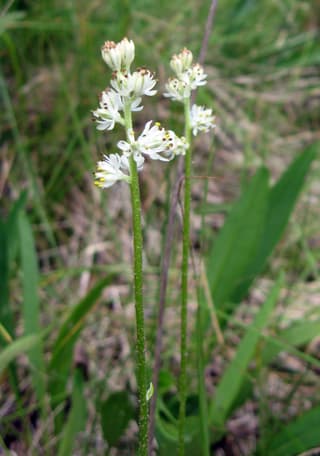
| Sticky false asphodel | Hard | Bright indirect | 1d | ✓ |
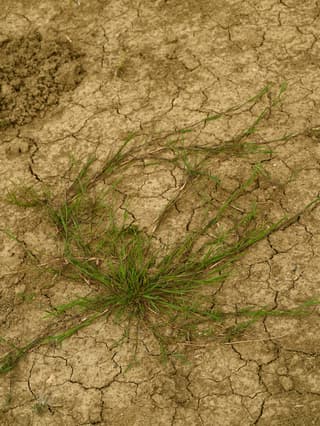
| Creeping bentgrass | Hard | Direct sun | 3d | ✓ |
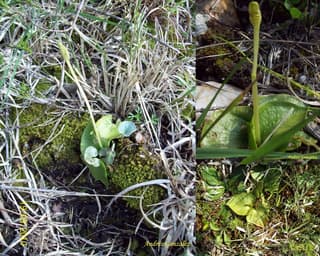
| Bulbous Adder's-tongue | Hard | Partial shade | 4d | ✓ |
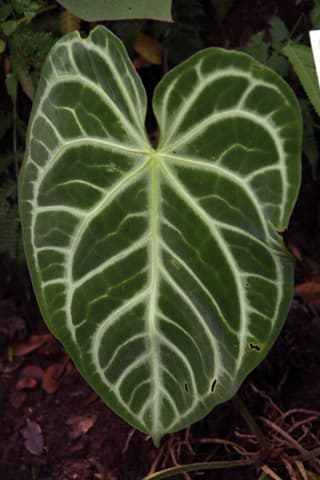
| Crystal Anthurium | Hard | Partial shade | 7d | ⚠️ |
Choose & Compare
Sources & References
- Commiphora myrrha - PFAF
- Myrrh Plant Care & Growing Basics - PlantIn
- Common Myrrh Plant Care - Plantiary
- Commiphora myrrha - Useful Tropical Plants
- Myrrh - Commiphora myrrha - Shrubz.us
- Commiphora myrrha gum resin: antimicrobial and wound healing
- Commiphora myrrha - Wikipedia
- Commiphora myrrha - LLIFLE