Apocynaceae
New Zealand Jasmine (Parsonsia heterophylla)
Parsonsia heterophylla
Easy outdoor climber for mild temperate gardens. It tolerates shade but flowers better with some sun. Give it a support to twine on and soil that stays slightly moist; mulch helps.
Every 7 days
Partial shade
° - °C
% - %
Categories
What is New Zealand Jasmine?
New Zealand Jasmine (Parsonsia heterophylla) is a easy-care plant from the Apocynaceae family. New Zealand jasmine (Parsonsia heterophylla), known in Māori as kaihua or kaiwhiria, is an evergreen woody climber in the dogbane family (Apocynaceae), endemic to New Zealand. It is not a true jasmine: the name comes from the sweet scent of its flowers. It twines its stems around trees and shrubs, c...
New Zealand Jasmine grows up to 10.0m, watering every 7 days. It is not suitable for indoor environments and safe for pets.
Unlike many tropical plants, New Zealand Jasmine tolerates watering mistakes. Best for beginners. Unlike many popular species, New Zealand Jasmine is safe to keep around pets.
How to Care for New Zealand Jasmine?
TLDR: New Zealand Jasmine needs Partial shade, watering every 7 days, and temperatures between 15-30°C with 40-70% humidity.
How Often Should You Water New Zealand Jasmine?
Water once a week in spring and summer when it does not rain, keeping the soil slightly moist. Once established it copes with short dry spells. Do not leave standing water.
How Much Light Does New Zealand Jasmine Need?
Part shade or dappled sun, like a forest edge. It tolerates full shade to full sun but flowers more with a few hours of direct light. Not a houseplant.
What Is the Best Soil for New Zealand Jasmine?
Garden soil with organic matter and good drainage. Mulch the base with bark or leaf litter to hold moisture and keep the roots cool.
What Pot Should You Use for New Zealand Jasmine?
Large, deep pot with a drainage hole and a trellis or stake to climb; compost-rich mix topped with mulch.
What Is New Zealand Jasmine and Where Does It Come From?
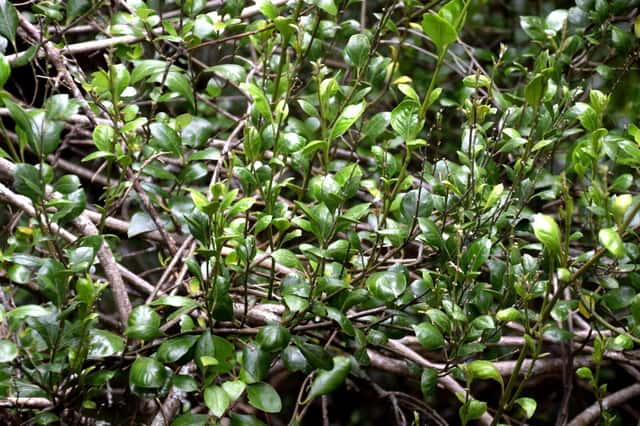
New Zealand jasmine (Parsonsia heterophylla), known in Māori as kaihua or kaiwhiria, is an evergreen woody climber in the dogbane family (Apocynaceae), endemic to New Zealand. It is not a true jasmine: the name comes from the sweet scent of its flowers. It twines its stems around trees and shrubs, climbing to about 10 m, and grows in lowland and low montane forest, especially on margins, in clearings and in coastal scrub. Heterophylla means varied leaves: during the long juvenile stage one plant can carry round, long and narrow, or irregular leaves; adult leaves are shorter and broader, glossy dark green. From September to March (southern spring to autumn) it bears clusters of small tubular flowers, white or cream and strongly scented, which draw night-flying moths and the bellbird (korimako). Slender pods about 15 cm long follow and release seeds with silky tufts.
How to Propagate New Zealand Jasmine?
Seed
Seed germinates without treatment, but 4 weeks of cold stratification in the fridge speeds it up. Use fresh seed.
- 1 Collect pods when they turn brown and start splitting at the tip
- 2 Separate the seeds from the silky tufts
- 3 Surface-sow on moist seed mix, barely covered
- 4 Keep moist in part shade until they germinate
Materials needed:
How Big Does New Zealand Jasmine Grow?
TLDR: New Zealand Jasmine can reach up to 10.0m tall with Medium growth rate.
Max height
10.0m
Foliage
Evergreen
Plant Uses
Ornamental
Great for decoration
Aromatic
Pleasant fragrance
Is your plant showing symptoms?
Click on the symptom to discover possible causes:
What Diseases Commonly Affect New Zealand Jasmine?
TLDR: New Zealand Jasmine is susceptible to 2 known diseases. Monitor regularly for early detection.
Aphids
Aphids are small, soft-bodied, pear-shaped insects (1/16 to 1/8 inch long) that feed by sucking nutrient-rich sap from plants. They reproduce rapidly and can quickly weaken plants, causing distorted growth and transmitting plant viruses. Aphids come in various colors including green, black, red, yellow, brown, and gray. They secrete honeydew, a sticky substance that attracts ants and encourages sooty mold growth.
leaf miners
Larval stages of leaf-mining insects are feeding on the leaf tissue of plants, building little tunnels under the leaf surface.
Fun Facts
A single young plant can carry round, long and irregular leaves at the same time
Māori tied its flowers to bird-snare perches as a lure
Its dry, empty pods can hang on the plant for a long time
Frequently asked questions
Is it a true jasmine?
How much light does it need?
How do I grow it?
Is it toxic to pets?
Compare with similar plants
| Attribute | Difficulty | Light | Watering | Pet Safe |
|---|---|---|---|---|
| Field Maple | Easy | Bright indirect | 14d | ✓ |
| Iberian Houseleek | Easy | Direct sun | 14d | ✓ |
| Silver Birch | Easy | Direct sun | 14d | ✓ |
| Common Blanketflower | Easy | Direct sun | 10d | ✓ |





