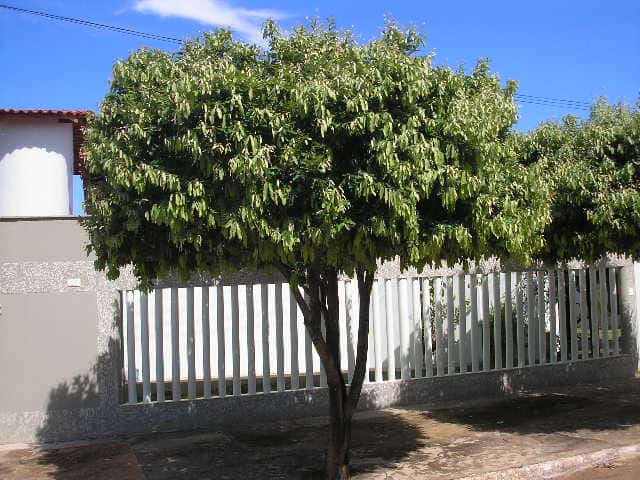
Chrysobalanaceae
Oiti: Edible Plant
Moquilea tomentosa
The Oiti is an easy-to-grow tree with low maintenance requirements. It should be planted in full sun, in fertile, deep, and well-drained soil, with regular watering during the first year of establishment. Once established, it becomes resistant to drought periods, but it does not tolerate prolonged waterlogging or frost.
Every 10 days
Direct sun
10° - 35°C
% - %
Categories
What is Oiti?
Oiti (Moquilea tomentosa) is a easy-care plant from the Chrysobalanaceae family. Moquilea tomentosa, popularly known as Oiti, is a tree native to the Atlantic Forest and Brazilian flora. It is widely used in urban landscaping for streets, parks, and squares due to its dense, rounded canopy that provides excellent shade. It can reach heights of 30 to 50 feet. Its leaves are simpl...
Oiti grows up to 15.0m, watering every 10 days, 10°C – 35°C. It is not suitable for indoor environments and safe for pets.
Unlike many tropical plants, Oiti tolerates watering mistakes. Best for beginners. Unlike many popular species, Oiti is safe to keep around pets.
How to Care for Oiti?
TLDR: Oiti needs Direct sun, watering every 10 days, and temperatures between 10-35°C with 40-70% humidity.
How Often Should You Water Oiti?
Water the sapling regularly during the first year of cultivation. Adult and well-established trees tolerate drought well but benefit from extra watering during prolonged dry spells.
How Much Light Does Oiti Need?
Requires full sun to develop its characteristic dense canopy; it does not adapt well to shaded locations.
What Is the Best Soil for Oiti?
Prefers deep, fertile, sandy or reddish soils rich in organic matter with good drainage (pH 6.0 to 7.0); avoid compacted soils or those prone to waterlogging.
What Pot Should You Use for Oiti?
Not recommended for long-term container cultivation due to its large size and vigorous root system; suitable only for direct planting in the ground in large areas such as sidewalks, parks, and large backyards.
Care Schedule
Fertilize
Every 180 days
What Is Oiti and Where Does It Come From?
Moquilea tomentosa, popularly known as Oiti, is a tree native to the Atlantic Forest and Brazilian flora. It is widely used in urban landscaping for streets, parks, and squares due to its dense, rounded canopy that provides excellent shade. It can reach heights of 30 to 50 feet. Its leaves are simple, dark green, and have a velvety texture. It blooms in winter with small white or cream flowers of low ornamental value, and bears fruit between November and January, producing oval, yellow-orange drupes with fibrous, aromatic pulp that is edible for both humans and local wildlife.
How to Propagate Oiti?
Sowing
- Removing the pulp accelerates germination.
- Keep in a semi-shaded location until the sapling reaches about 8 inches.
- Propagation by cuttings is possible but still understudied.
- 1 Seed collection
Collect ripe fruits directly from the tree or immediately after they fall, between November and January.
- 2 Depulping and drying
Remove the fruit pulp to extract the woody seed and dry it in the shade; seeds remain viable for up to 40 days.
- 3 Planting
Sow in polyethylene bags with light, organic substrate, maintaining constant moisture until germination.
- 4 Transplanting
Saplings are ready for field transplanting between 6 and 8 months after germination.
Materials needed:
How Big Does Oiti Grow?
TLDR: Oiti can reach up to 15.0m tall with Medium growth rate.
Max height
15.0m
Growth rate
Medium
Foliage
Evergreen
Plant Uses
Ornamental
Great for decoration
Edible
Can be consumed
Medicinal
Medicinal properties
Medicinal Uses
- Leaf tea traditionally used for pain relief
- Research indicates antiviral, antibacterial, and antioxidant properties
- Preliminary studies point to antitumor activity of triterpenes present in the leaves
Culinary Uses
- Consumption of the ripe fruit fresh, after 4-5 days of post-harvest ripening
- Preparation of juices, smoothies, and ice creams
- Extraction of seed oil for industrial use
Is your plant showing symptoms?
Click on the symptom to discover possible causes:
What Diseases Commonly Affect Oiti?
TLDR: Oiti is susceptible to 5 known diseases. Monitor regularly for early detection.
Scale Insects
Scale insects are small sap-sucking pests that appear as brown, shell-like bumps on plant stems and leaves. There are over 25 species, divided into armored (hard) and unarmored (soft) scales. They feed by piercing plant tissue and extracting sap, which weakens the plant and can lead to yellowing, stunted growth, and even death if left untreated. They also excrete honeydew, which attracts ants and promotes sooty mold growth.
Sooty Mold
Sooty mold is a fungal disease that develops on surfaces coated with honeydew, a sticky sweet substance secreted by sap-sucking insects like aphids, scale insects, and whiteflies. While it does not directly infect plant tissue, it reduces photosynthetic capacity by blocking sunlight and diminishes the plant's aesthetic appearance.
Rust
Rust is a common fungal disease caused by fungi in the order Pucciniales that affects a wide variety of plants. The disease gets its name from the characteristic orange, yellow, or reddish-brown pustules that appear on leaves, resembling metal rust. This obligate fungal parasite requires living plants to survive and can cause significant economic losses in agricultural crops.
Spider Mites
Spider mites are tiny arachnids (less than 1/20 inch long) related to spiders and ticks that feed on plant sap. They thrive in hot, dry conditions and can cause significant damage to ornamental and vegetable plants. During severe infestations, crop losses can reach 14% or higher as these pests disrupt vital plant processes including photosynthesis, carbon dioxide absorption, and transpiration.
Meaning & Symbolism
Represents hospitality and freshness in Brazilian cities: its generous shade is a traditional symbol of urban afforestation, and its falling yellow fruits form characteristic carpets on the streets between November and January.
Compare with similar plants
| Attribute | Difficulty | Light | Watering | Pet Safe |
|---|---|---|---|---|
| Field Maple | Easy | Bright indirect | 14d | ✓ |
| Silver Birch | Easy | Direct sun | 14d | ✓ |
| Common Blanketflower | Easy | Direct sun | 10d | ✓ |
| Cushion Bush | Easy | Direct sun | 14d | ✓ |





