Platanaceae
Oriental Plane (Platanus orientalis)
Platanus orientalis
Thrives in full sun and deep, fertile, well-drained soil, but tolerates a wide range of soils from sandy to clay. Highly drought-tolerant once established, though it grows best with consistent soil moisture. Fast-growing and low-maintenance in open landscapes.
Every 10 days
Direct sun
-15° - 40°C
30% - 70%
Categories
What is Oriental Plane?
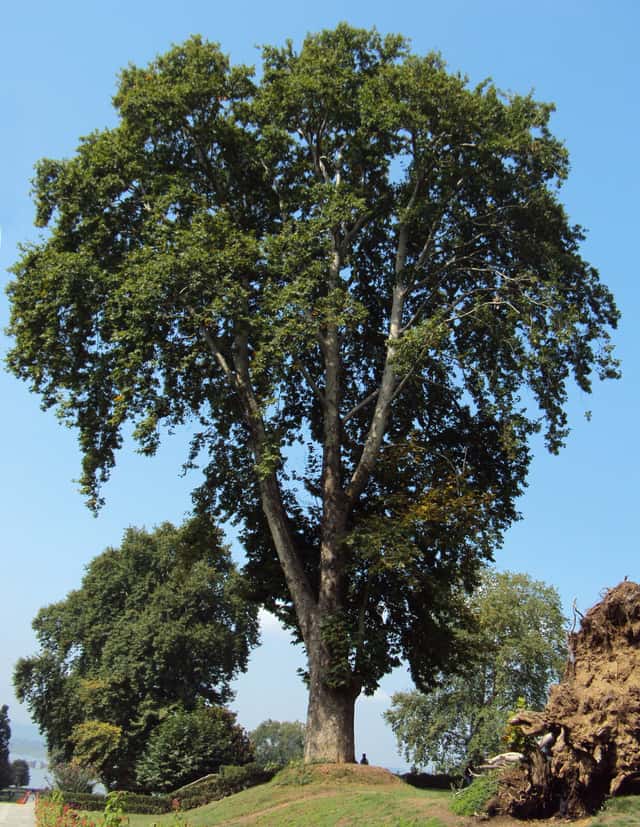
Oriental Plane (Platanus orientalis) is a easy-care plant from the Platanaceae family. The Oriental plane (Platanus orientalis) is a large deciduous tree native to southeastern Europe and southwestern Asia, prized for its flaking, cream-and-gray bark and deeply lobed, maple-like leaves. Long-lived and fast-growing, it can exceed 30 m in height and is historically linked to Hippocrates...
Oriental Plane grows up to 35.0m, spread of 3000cm, watering every 10 days, -15°C – 40°C, 30–70% humidity. It is not suitable for indoor environments and safe for pets.
Unlike many tropical plants, Oriental Plane tolerates watering mistakes. Best for beginners. Unlike many popular species, Oriental Plane is safe to keep around pets.
How to Care for Oriental Plane?
TLDR: Oriental Plane needs Direct sun, watering every 10 days, and temperatures between -15-40°C with 30-70% humidity.
How Often Should You Water Oriental Plane?
Water deeply and regularly during the first year to establish roots; afterward the tree tolerates drought well and only needs supplemental watering during extended dry spells.
How Much Light Does Oriental Plane Need?
Requires full sun (6-8 hours of direct light daily) for healthy, vigorous growth; does not perform well in shade.
What Is the Best Soil for Oriental Plane?
Adapts to sandy, loamy, or clay soils as long as they are well-drained; tolerates acidic to alkaline pH.
What Pot Should You Use for Oriental Plane?
Not suitable for permanent container culture due to its massive mature size; young nursery specimens can be grown in a large, well-draining pot before transplanting to open ground.
What Is Oriental Plane and Where Does It Come From?
The Oriental plane (Platanus orientalis) is a large deciduous tree native to southeastern Europe and southwestern Asia, prized for its flaking, cream-and-gray bark and deeply lobed, maple-like leaves. Long-lived and fast-growing, it can exceed 30 m in height and is historically linked to Hippocrates, who reportedly taught medicine beneath a specimen on the island of Kos.
How to Propagate Oriental Plane?
Hardwood cuttings
Use healthy, disease-free wood from the previous year growth. Rooting is slower than in herbaceous species, so patience is required.
- 1 Take 20-30 cm hardwood cuttings in winter during dormancy
- 2 Remove lower leaves and apply rooting hormone to the base
- 3 Plant cuttings in well-drained substrate, leaving half exposed
- 4 Keep substrate lightly moist until rooting occurs
Materials needed:
Seed sowing
Seeds require cold stratification to germinate uniformly.
- 1 Collect seeds from mature spherical fruiting balls in autumn
- 2 Cold-stratify for 60-90 days before sowing
- 3 Sow in light, well-drained substrate
- 4 Keep in a sheltered spot until germination
Materials needed:
How Big Does Oriental Plane Grow?
TLDR: Oriental Plane can reach up to 35.0m tall with Fast growth rate.
Max height
35.0m
Spread
30.0m
Growth rate
Fast
Foliage
Deciduous
Warning: Toxic Plant
This plant can be toxic if ingested. Keep out of reach of:
Plant Uses
Ornamental
Great for decoration
Is your plant showing symptoms?
Click on the symptom to discover possible causes:
What Diseases Commonly Affect Oriental Plane?
TLDR: Oriental Plane is susceptible to 8 known diseases. Monitor regularly for early detection.
Anthracnose
Anthracnose is a fungal disease caused by fungi in the genus Colletotrichum that affects many plants, including vegetables, fruits, and trees. The disease thrives in cool, wet conditions, causing dark, sunken lesions on leaves, stems, flowers, and fruits.
Canker
Canker is a disease caused by various fungi and bacteria that create necrotic, sunken areas on bark of branches, stems, and trunks. Pathogens enter through wounds and natural openings, especially when plants are stressed. Canker can gradually weaken or kill branches by disrupting water and nutrient flow.
Sap-sucking Insects
Scale Insects
Scale insects are small sap-sucking pests that appear as brown, shell-like bumps on plant stems and leaves. There are over 25 species, divided into armored (hard) and unarmored (soft) scales. They feed by piercing plant tissue and extracting sap, which weakens the plant and can lead to yellowing, stunted growth, and even death if left untreated. They also excrete honeydew, which attracts ants and promotes sooty mold growth.
Meaning & Symbolism
A symbol of wisdom, longevity, and protective shelter, historically linked to Hippocrates and the tradition of teaching beneath its broad canopy.
Fun Facts
Can live more than 500 years and grow taller than 30 meters.
Linked to Hippocrates, the "father of medicine," who reportedly taught beneath its shade on the island of Kos.
Its bark naturally peels away in patches, revealing a distinctive pale mottled pattern.
Frequently asked questions
Is the Oriental plane toxic to cats and dogs?
How long does it take for an Oriental plane to reach full size?
Is the Oriental plane disease-resistant?
Compare with similar plants
| Attribute | Difficulty | Light | Watering | Pet Safe |
|---|---|---|---|---|
| Field Maple | Easy | Bright indirect | 14d | ✓ |
| Silver Birch | Easy | Direct sun | 14d | ✓ |
| Common Blanketflower | Easy | Direct sun | 10d | ✓ |
| Cushion Bush | Easy | Direct sun | 14d | ✓ |





