Fabaceae
Garden pea: Edible Plant
Pisum sativum
Peas thrive in sunny locations, cooler weather, and evenly moist, well-drained soil rich in calcium. They are sown in early spring as soon as the soil can be worked, and taller varieties must be provided with support early on. Regular watering during germination and flowering is crucial for a good pod harvest.
Every 3 days
Direct sun
4° - 24°C
40% - 70%
Categories
What is Garden pea?
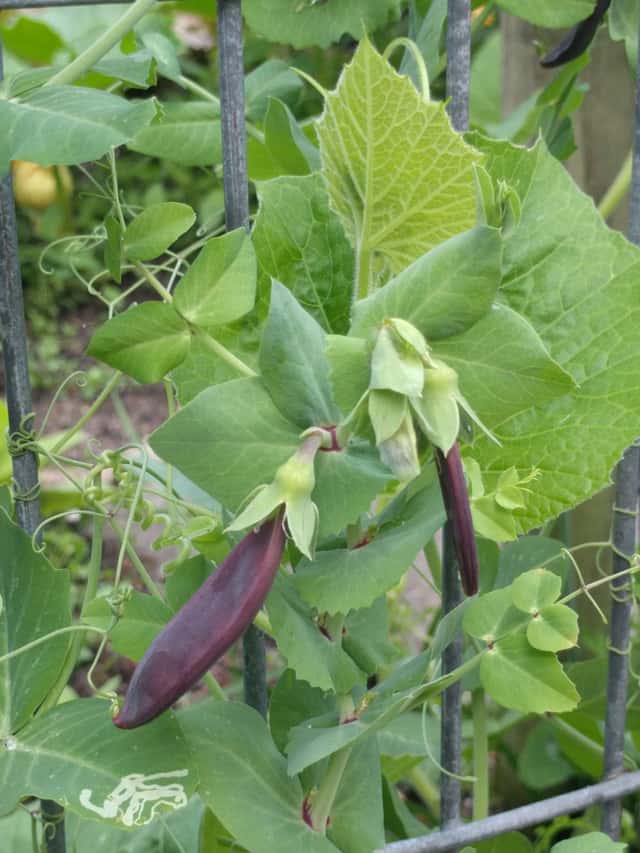
Garden pea (Pisum sativum) is a easy-care plant from the Fabaceae family. The garden pea (Pisum sativum) is an annual climbing herb from the legume family (Fabaceae), cultivated for thousands of years for its sweet, nutritious pods and seeds. It uses tendrils to attach itself to supports and can grow up to 2 meters in height under ideal conditions. Thanks to its ability t...
Garden pea grows up to 2.0m, spread of 30cm, watering every 3 days, 4°C – 24°C, 40–70% humidity. It is not suitable for indoor environments and safe for pets.
Unlike many tropical plants, Garden pea tolerates watering mistakes. Best for beginners. Unlike many popular species, Garden pea is safe to keep around pets.
How to Care for Garden pea?
TLDR: Garden pea needs Direct sun, watering every 3 days, and temperatures between 4-24°C with 40-70% humidity.
How Often Should You Water Garden pea?
Water regularly so that the soil remains consistently slightly moist, especially during germination and flowering—a lack of water during these stages significantly reduces yield. Avoid waterlogging, which promotes root rot.
How Much Light Does Garden pea Need?
Peas require full sun, ideally at least 6-8 hours of direct light per day. In partial shade, they grow more slowly and produce a smaller harvest.
What Is the Best Soil for Garden pea?
They thrive best in medium-heavy, well-drained soil rich in calcium with a slightly acidic to neutral pH (6.0-7.0). Enrich the soil with compost before sowing.
What Pot Should You Use for Garden pea?
For container gardening, choose a deep and spacious planter or pot with a volume of at least 20 liters, featuring good drainage and enough space for a support structure.
Care Schedule
Fertilize
Every 21 days
What Is Garden pea and Where Does It Come From?
The garden pea (Pisum sativum) is an annual climbing herb from the legume family (Fabaceae), cultivated for thousands of years for its sweet, nutritious pods and seeds. It uses tendrils to attach itself to supports and can grow up to 2 meters in height under ideal conditions. Thanks to its ability to fix atmospheric nitrogen through Rhizobium root nodule bacteria, it enriches the soil and is a popular cover crop as well as a staple vegetable for gardeners.
How Big Does Garden pea Grow?
TLDR: Garden pea can reach up to 2.0m tall with Fast growth rate.
Max height
2.0m
Spread
30cm
Growth rate
Fast
Foliage
Deciduous
Plant Uses
Edible
Can be consumed
Medicinal
Medicinal properties
Medicinal Uses
- Seeds have traditionally been attributed with contraceptive and fungistatic effects
- Crushed seeds were used topically to treat skin conditions
Culinary Uses
- Immature pods and seeds are consumed raw or cooked in salads, soups, and side dishes
- Mature seeds are dried, ground into flour, or sprouted
- Young shoots and leaves can be used as a delicate salad green
Is your plant showing symptoms?
Click on the symptom to discover possible causes:
What Diseases Commonly Affect Garden pea?
TLDR: Garden pea is susceptible to 14 known diseases. Monitor regularly for early detection.
Downy Mildew
Downy mildew is a fungal-like disease caused by oomycetes (water molds) that thrives in cool, wet conditions. It affects a wide range of plants, causing yellowing leaves with fuzzy white-gray growth underneath, leading to defoliation and reduced yields if left untreated.
Powdery Mildew
Powdery mildew is a common fungal disease caused by various fungi species including Erysiphe, Podosphaera, Oïdium, and Leveillula. It affects over 10,000 plant species worldwide. The disease thrives in warm, dry climates with high humidity and appears as a distinctive white powdery coating on plant surfaces.
Rust
Rust is a common fungal disease caused by fungi in the order Pucciniales that affects a wide variety of plants. The disease gets its name from the characteristic orange, yellow, or reddish-brown pustules that appear on leaves, resembling metal rust. This obligate fungal parasite requires living plants to survive and can cause significant economic losses in agricultural crops.
Gray Mold (Botrytis Blight)
Gray mold, caused by the fungus Botrytis cinerea, is a widespread necrotrophic pathogen affecting over 1,400 plant species. It thrives in cool, humid conditions and attacks weakened or aging plant tissues, causing soft rot and characteristic gray fuzzy growth.
Meaning & Symbolism
Peas have long been seen as a symbol of abundance, fertility, and small domestic joys—their pods full of round seeds represent wealth, growth, and family care.
Compare with similar plants
| Attribute | Difficulty | Light | Watering | Pet Safe |
|---|---|---|---|---|
| Field Maple | Easy | Bright indirect | 14d | ✓ |
| Silver Birch | Easy | Direct sun | 14d | ✓ |
| Common Blanketflower | Easy | Direct sun | 10d | ✓ |
| Cushion Bush | Easy | Direct sun | 14d | ✓ |





