Brassicaceae
Peppergrasses: how to grow plants of the genus Lepidium
Lepidium
Easy and fast: sun or part shade, constantly moist growing medium and mild temperatures. Garden cress is ready to cut in 1 to 3 weeks; sow small batches often for a steady supply.
Every 2 days
Bright indirect
° - °C
% - %
Categories
What is Peppergrasses?
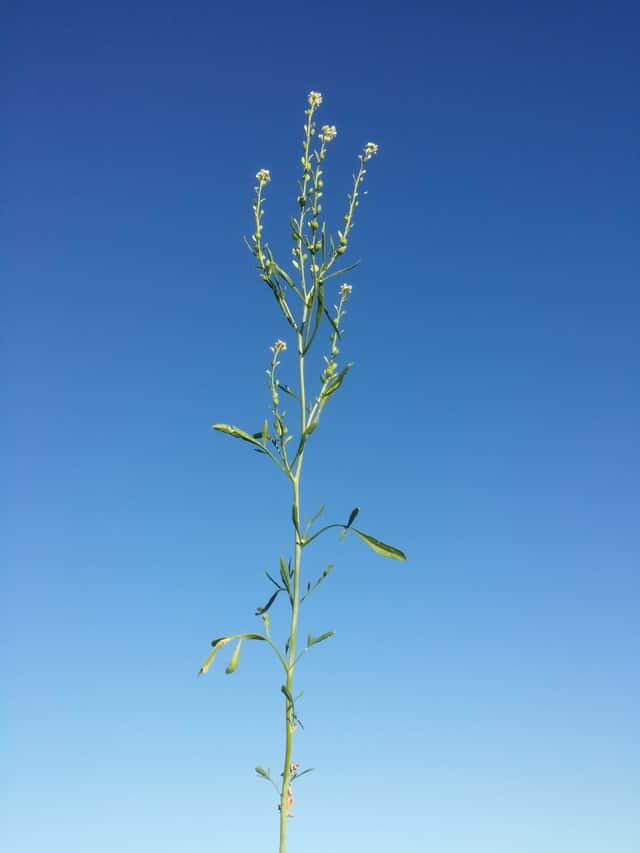
Peppergrasses (Lepidium) is a easy-care plant from the Brassicaceae family. Lepidium is a genus in the mustard and cabbage family (Brassicaceae), with about 265 species spread across the Americas, Europe, Africa, Asia and Australia. They are annual or perennial herbs with peppery leaves and tiny white flowers in clusters, followed by small flat, scale-like pods that give th...
Peppergrasses grows up to 50cm, watering every 2 days. It is suitable for indoor environments and safe for pets.
Unlike many tropical plants, Peppergrasses tolerates watering mistakes. Best for beginners. Unlike many popular species, Peppergrasses is safe to keep around pets. Without adequate drainage, root rot can develop within 7 days.
How to Care for Peppergrasses?
TLDR: Peppergrasses needs Bright indirect, watering every 2 days, and temperatures between 15-30°C with 40-70% humidity.
How Often Should You Water Peppergrasses?
Keep the medium moist at all times without waterlogging it. In trays or pots, water lightly every day or two so the seedlings are not knocked over. Dry spells make the leaves tough and hotter.
How Much Light Does Peppergrasses Need?
Full sun or part shade. On a windowsill, brighter light gives sturdier sprouts; in shade the harvest just takes a few days longer. The seeds need light to germinate, so cover them only lightly.
What Is the Best Soil for Peppergrasses?
Light, fertile, well-drained loam with a pH of 6.0 to 7.5. Garden cress will even grow on damp cotton wool or paper, with no fertilizer. A clean medium helps prevent damping-off.
What Pot Should You Use for Peppergrasses?
Shallow tray or pot with drainage holes; for sprouts, even a plate with damp cotton wool works.
What Is Peppergrasses and Where Does It Come From?
Lepidium is a genus in the mustard and cabbage family (Brassicaceae), with about 265 species spread across the Americas, Europe, Africa, Asia and Australia. They are annual or perennial herbs with peppery leaves and tiny white flowers in clusters, followed by small flat, scale-like pods that give the genus its name. The one most grown at home is garden cress (L. sativum), harvested as sprouts within days. The genus also includes maca (L. meyenii), grown for its root in the Andes, and dittander (L. latifolium).
How to Propagate Peppergrasses?
Sowing
Sow again every one or two weeks for a continuous harvest. Pick before flowering, when the leaves turn hotter.
- 1 Scatter the seeds thickly over moist potting mix, cotton wool or paper towel.
- 2 Cover very lightly or not at all, since the seeds need light.
- 3 Keep moist in a bright spot, ideally above 15 °C.
- 4 Cut the sprouts at the base with scissors when they are 5 to 10 cm tall.
Materials needed:
How Big Does Peppergrasses Grow?
TLDR: Peppergrasses can reach up to 50cm tall with Fast growth rate.
Max height
50cm
Growth rate
Fast
Plant Uses
Edible
Can be consumed
Medicinal
Medicinal properties
Medicinal Uses
- Garden cress seeds used in traditional Indian and Middle Eastern medicine
- Maca root eaten as a food and supplement in the Andes
Culinary Uses
- Garden cress sprouts and leaves in salads, sandwiches and spreads
- Dried, powdered maca root in smoothies and porridge
Is your plant showing symptoms?
Click on the symptom to discover possible causes:
What Diseases Commonly Affect Peppergrasses?
TLDR: Peppergrasses is susceptible to 6 known diseases. Monitor regularly for early detection.
Downy Mildew
Downy mildew is a fungal-like disease caused by oomycetes (water molds) that thrives in cool, wet conditions. It affects a wide range of plants, causing yellowing leaves with fuzzy white-gray growth underneath, leading to defoliation and reduced yields if left untreated.
White Rust
Damping Off
Damping off is a soil-borne fungal disease that affects seeds and young seedlings, causing rotting of stem and root tissues at and below the soil line. It is caused by several fungi including Pythium, Rhizoctonia, Fusarium, and Phytophthora. The disease thrives in cold, wet conditions with poor air circulation.
Flea beetle damage
Flea beetles are small, jumping insects that feed on the leaves of many vegetable crops. They chew numerous small, circular holes, creating a characteristic 'shothole' appearance. While established plants can often tolerate the damage, young seedlings are highly susceptible and can be stunted or killed if the infestation is severe.
Fun Facts
The name Lepidium comes from the Greek for small scale, after the shape of the pods.
Garden cress seeds have been found in ancient Egyptian tombs.
Garden cress is used in school and lab tests because it germinates within days.
Frequently asked questions
How do I grow garden cress at home?
Does it need sun?
Why do my seedlings collapse and rot at the base?
Are maca and cress related?
Compare with similar plants
| Attribute | Difficulty | Light | Watering | Pet Safe |
|---|---|---|---|---|
| Field Maple | Easy | Bright indirect | 14d | ✓ |
| Iberian Houseleek | Easy | Direct sun | 14d | ✓ |
| Silver Birch | Easy | Direct sun | 14d | ✓ |
| Common Blanketflower | Easy | Direct sun | 10d | ✓ |
Choose & Compare
Sources & References
- Lepidium - Wikipedia
- Garden Cress (FSA6084) - University of Arkansas Cooperative Extension
- Garden cress: expert tips on growing & care - Plantura
- First report of downy mildew on Lepidium sativum in India - Australasian Plant Disease Notes
- First Report of Albugo lepidii Causing White Blister Rust on Garden Cress (Lepidium sativum) - Plant Disease
- How to Grow Garden Cress Herb from Seed - True Leaf Market





