Myrtaceae
Pineapple Guava: Aromatic Plant
Feijoa sellowiana
A hardy and undemanding plant if grown in full sun with well-drained soil. The main risk is waterlogging: it is preferable to let the soil dry out slightly between waterings. It tolerates brief frosts down to about -12°C (10°F) as an adult but is sensitive to intense cold when young. It requires light annual pruning after the fruit harvest.
Every 7 days
Direct sun
-12° - 38°C
40% - 70%
Categories
What is Pineapple Guava?
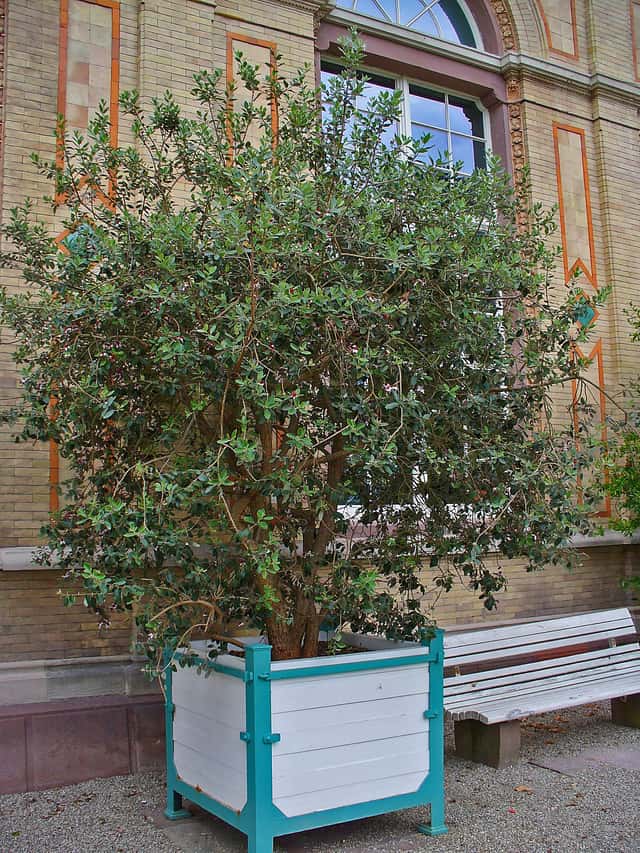
Pineapple Guava (Feijoa sellowiana) is a medium-care plant from the Myrtaceae family. The feijoa (Feijoa sellowiana, accepted synonym Acca sellowiana) is an evergreen shrub or small tree in the Myrtaceae family, native to the subtropical highlands of southern Brazil, Uruguay, Paraguay, and Argentina. The leaves are leathery, dark green and glossy on the upper surface, and silvery and...
Pineapple Guava grows up to 4.5m, spread of 300cm, watering every 7 days, -12°C – 38°C, 40–70% humidity. It is suitable for indoor environments and safe for pets.
Unlike many popular species, Pineapple Guava is safe to keep around pets. Without adequate drainage, root rot can develop within 14 days.
How to Care for Pineapple Guava?
TLDR: Pineapple Guava needs Direct sun, watering every 7 days, and temperatures between -12-38°C with 40-70% humidity.
How Often Should You Water Pineapple Guava?
Water regularly during spring and summer, allowing the surface layer of the soil to dry out slightly between waterings: the feijoa is sensitive to waterlogging, which is the main cause of root rot. Once established, it tolerates drought well; in pots, it requires more frequent watering than in the ground.
How Much Light Does Pineapple Guava Need?
Prefers full sun exposure, with at least 6-8 hours of direct light per day to ensure abundant flowering and fruiting; it also tolerates light partial shade, but with lower fruit production.
What Is the Best Soil for Pineapple Guava?
Prefers sandy to loamy, well-drained soil, rich in organic matter and with a slightly acidic to sub-acidic pH. It also adapts to poor or clayey soils as long as they are well-drained; in the case of heavy soil, it is useful to plant on a mound to promote drainage.
What Pot Should You Use for Pineapple Guava?
In pots, choose a large container, at least 16-18 inches (40-45 cm) in diameter, with large drainage holes and a good drainage layer at the bottom to compensate for the plant's sensitivity to waterlogging; terracotta is preferable to plastic because it promotes the evaporation of excess moisture.
Care Schedule
Fertilize
Every 90 days
Repot
Every 730 days
What Is Pineapple Guava and Where Does It Come From?
The feijoa (Feijoa sellowiana, accepted synonym Acca sellowiana) is an evergreen shrub or small tree in the Myrtaceae family, native to the subtropical highlands of southern Brazil, Uruguay, Paraguay, and Argentina. The leaves are leathery, dark green and glossy on the upper surface, and silvery and tomentose on the lower surface, giving the canopy a characteristic bicolor effect. In late spring to early summer, it produces showy flowers with purple-tinged white petals and long red stamens with yellow pollen: both the petals and the fruits are edible. The fruit, an oval green berry with aromatic pulp, resembles a cross between pineapple and strawberry in flavor. It is a hardy plant, drought-tolerant once established, resistant to salt spray and brief frosts, and widely used as an ornamental hedge and fruit tree in Mediterranean climates.
How Big Does Pineapple Guava Grow?
TLDR: Pineapple Guava can reach up to 4.5m tall with Medium growth rate.
Max height
4.5m
Spread
3.0m
Growth rate
Medium
Foliage
Evergreen
Plant Uses
Ornamental
Great for decoration
Edible
Can be consumed
Medicinal
Medicinal properties
Aromatic
Pleasant fragrance
Medicinal Uses
- Infusion of dried leaves and flowers, traditionally used for its antibacterial and anti-inflammatory properties
- Fruit extracts (rich in flavonoids, essential oils, and mucilage) used in emollient and toning cosmetic preparations
Culinary Uses
- Fruit consumed fresh with a spoon
- Jams and preserves
- Added to ice cream, smoothies, and desserts
- Edible flowers in salads
- Accompaniment to fish and meat dishes
- Aromatic notes in risottos and soups
Is your plant showing symptoms?
Click on the symptom to discover possible causes:
What Diseases Commonly Affect Pineapple Guava?
TLDR: Pineapple Guava is susceptible to 7 known diseases. Monitor regularly for early detection.
Root Rot
Root rot is a serious fungal disease that affects the root system of plants, causing them to decay and die. It is primarily caused by overwatering, poor drainage, or soil-borne fungi such as Pythium, Phytophthora, Rhizoctonia, and Fusarium. The disease thrives in waterlogged conditions where roots are deprived of oxygen, making them susceptible to fungal infection.
Sooty Mold
Sooty mold is a fungal disease that develops on surfaces coated with honeydew, a sticky sweet substance secreted by sap-sucking insects like aphids, scale insects, and whiteflies. While it does not directly infect plant tissue, it reduces photosynthetic capacity by blocking sunlight and diminishes the plant's aesthetic appearance.
Leaf Spot
Leaf spot is a common fungal disease caused by various pathogens including Alternaria, Ascochyta, Colletotrichum, Septoria, and Venturia. It primarily affects leaves, causing discolored spots that can lead to premature leaf drop if left untreated.
Cercospora Leaf Spot
Cercospora is a fungal disease that causes round to oval leaf spots with a light center and a dark border. It thrives on prolonged leaf wetness, dense planting, and warm, stagnant weather. Infestations often begin as small dots on older leaves; the leaves eventually turn yellow and drop off. In gardens, it is commonly seen on beets, Swiss chard, sugar beets, roses, as well as in vegetable patches on tomatoes and eggplants. The infection spreads via rain and irrigation splashes and can survive in infected plant debris.
Meaning & Symbolism
With its edible flowers and fruits, the feijoa is often seen as a symbol of abundance, generosity, and self-sufficiency in home gardens.
Compare with similar plants
| Attribute | Difficulty | Light | Watering | Pet Safe |
|---|---|---|---|---|
| Dark Fieldcap | Medium | Low light | 2d | ⚠️ |
| Azalea | Medium | Partial shade | 3d | ⚠️ |
| Muriel's Bamboo | Medium | Partial shade | 3d | ✓ |
| Bougainvillea | Medium | Direct sun | 7d | ⚠️ |
Choose & Compare
Sources & References
- Acca sellowiana (Feijoa) - NC State Extension Gardener Plant Toolbox
- Acca sellowiana - Plants For A Future Database
- Pineapple Guava (Acca sellowiana): Benefits, Challenges, & Uses - Gardenia.net
- What are the Brown Spots on Feijoa or Pineapple Guava Leaves? - Deep Green Permaculture
- Come fare la talea di Feijoa - Acca Sellowiana - Il Pianeta Verde Blog




