Pineapple Guava with Cercospora Leaf Spot? Rare but Treatable
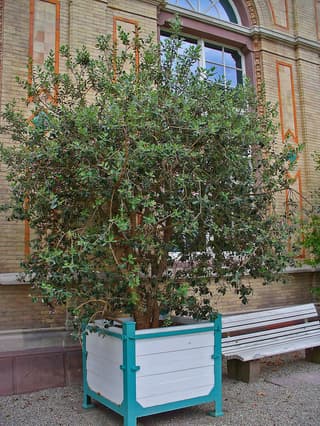
Feijoa sellowiana
Cercospora Leaf Spot on Pineapple Guava: What to Know?
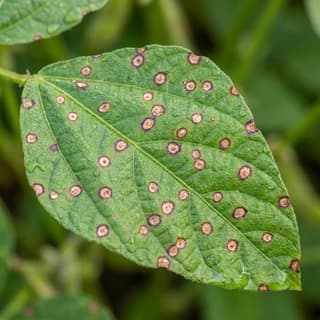
Cercospora Leaf Spot on Pineapple Guava (Feijoa sellowiana) is a fungal condition with moderate severity. Pineapple Guava has low susceptibility to this disease. Cercospora is a fungal disease that causes round to oval leaf spots with a light center and a dark border. It thrives on prolonged leaf wetness, dense planting, and warm, stagnant weather. Infestation...
Pineapple Guava is a medium-care plant. As an indoor plant, ensure good ventilation to aid recovery.
Unlike most plants, Pineapple Guava has natural resistance to Cercospora Leaf Spot. Best treated with preventive measures rather than reactive treatment. Unlike bacterial infections, Cercospora Leaf Spot on Pineapple Guava can be managed with organic fungicides.
🛡️ How to Prevent Cercospora Leaf Spot on Pineapple Guava?
TLDR: Prevent Cercospora Leaf Spot on Pineapple Guava with 7 essential preventive care practices.
- ✓ Choose robust or resistant varieties whenever possible.
- ✓ Plant in bright, airy locations and maintain appropriate spacing.
- ✓ Water at the roots and avoid getting the leaves wet.
- ✓ Regularly remove withered leaves and clear all plant debris after the season.
- ✓ Maintain a crop rotation of two to three years for beets, Swiss chard, and related crops.
- ✓ Purchase healthy plant material and inspect new plants before transplanting.
- ✓ Clean tools and pots between uses to prevent the spread of disease.
🌱 How to Care for Pineapple Guava to Prevent Cercospora Leaf Spot?
💧 How to Water
Water regularly during spring and summer, allowing the surface layer of the soil to dry out slightly between waterings: the feijoa is sensitive to waterlogging, which is the main cause of root rot. Once established, it tolerates drought well; in pots, it requires more frequent watering than in the ground.
☀️ Lighting
Prefers full sun exposure, with at least 6-8 hours of direct light per day to ensure abundant flowering and fruiting; it also tolerates light partial shade, but with lower fruit production.
🪴 Ideal Soil
Prefers sandy to loamy, well-drained soil, rich in organic matter and with a slightly acidic to sub-acidic pH. It also adapts to poor or clayey soils as long as they are well-drained; in the case of heavy soil, it is useful to plant on a mound to promote drainage.
Frequently asked questions
Can Cercospora Leaf Spot kill my Pineapple Guava?
Is Cercospora Leaf Spot contagious to other plants near Pineapple Guava?
Sources & References
- Acca sellowiana (Feijoa) - NC State Extension Gardener Plant Toolbox
- Acca sellowiana - Plants For A Future Database
- Pineapple Guava (Acca sellowiana): Benefits, Challenges, & Uses - Gardenia.net
- What are the Brown Spots on Feijoa or Pineapple Guava Leaves? - Deep Green Permaculture
- Come fare la talea di Feijoa - Acca Sellowiana - Il Pianeta Verde Blog