Lecythidaceae
Pink Jequitibá: Full Sun Plant
Cariniana legalis
A large-sized tree suitable only for permanent planting in wide, open areas such as parks, riparian forests, and reforestation projects — never in pots or small gardens. When young, it tolerates partial shade (semi-heliophilous), but requires full sun in the adult stage. It thrives in deep, well-drained soil rich in organic matter, with regular irrigation during the first two years after planting; once established, it becomes tolerant of dry periods. Sensitive to intense cold when young, it should not be exposed to frost.
Every 7 days
Direct sun
15° - 35°C
60% - 95%
Categories
What is Pink Jequitibá?
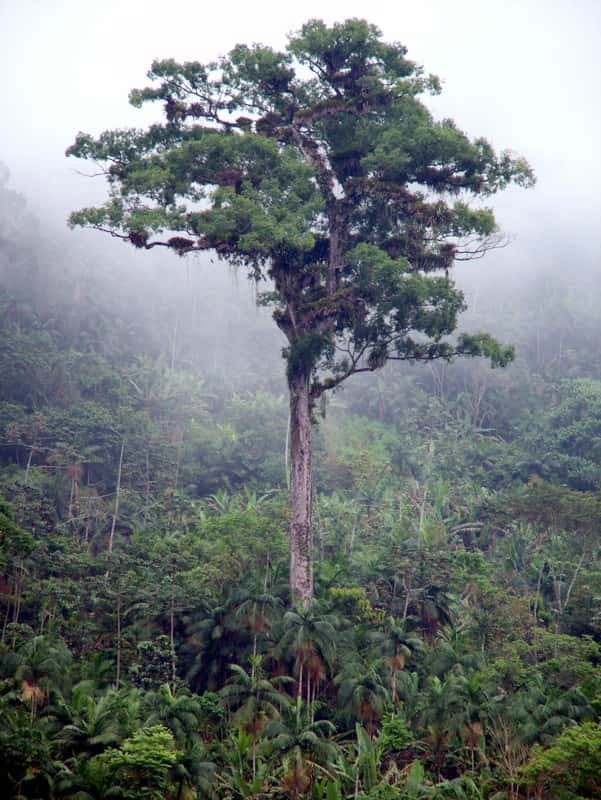
Pink Jequitibá (Cariniana legalis) is a hard-care plant from the Lecythidaceae family. The Pink Jequitibá (Cariniana legalis) is one of the largest and longest-lived trees native to the Atlantic Forest, capable of exceeding 40-50 meters in height and 7 meters in trunk diameter when mature. An emergent and climax species, it occurs in humid lowlands and slopes of rainforests and semi-d...
Pink Jequitibá grows up to 50.0m, spread of 2000cm, watering every 7 days, 15°C – 35°C, 60–95% humidity. It is not suitable for indoor environments and safe for pets.
Unlike easy-care plants, Pink Jequitibá demands constant attention to humidity and light. Not recommended for beginners. Unlike many popular species, Pink Jequitibá is safe to keep around pets.
How to Care for Pink Jequitibá?
TLDR: Pink Jequitibá needs Direct sun, watering every 7 days, and temperatures between 15-35°C with 60-95% humidity.
How Often Should You Water Pink Jequitibá?
Water frequently during the first two years, keeping the soil moist but never waterlogged; once established, the tree handles dry periods well and only needs extra water during prolonged droughts.
How Much Light Does Pink Jequitibá Need?
For seedlings and initial planting, provide partial shade (30-50%); as the tree grows, gradually transition it to full sun, a condition it requires in its adult phase.
What Is the Best Soil for Pink Jequitibá?
Prefer deep, well-drained soils rich in organic matter with good moisture retention capacity — fertile slopes and well-drained floodplains of the Atlantic Forest are the species' natural habitat.
What Pot Should You Use for Pink Jequitibá?
It is not suitable for pots at any stage of its adult life; due to its massive size (up to 50 m in height and 7 m in trunk diameter), it must be planted directly in the ground in a wide area, far from buildings, walls, and power lines.
Care Schedule
Fertilize
Every 60 days
What Is Pink Jequitibá and Where Does It Come From?
The Pink Jequitibá (Cariniana legalis) is one of the largest and longest-lived trees native to the Atlantic Forest, capable of exceeding 40-50 meters in height and 7 meters in trunk diameter when mature. An emergent and climax species, it occurs in humid lowlands and slopes of rainforests and semi-deciduous forests, where some individuals exceed 1,000 years of age. It has a straight trunk, thick and deeply furrowed bark, a wide semi-deciduous canopy, and creamy-white flowers gathered in terminal panicles between December and February. Its fruits are woody pyxidia (capsules with a lid) that open to release winged seeds, dispersed by wind and monkeys. It is considered a keystone species for the restoration of native forests and is classified as Vulnerable by the IUCN due to historical logging and habitat loss.
How to Propagate Pink Jequitibá?
Sowing
- Seeds quickly lose their germinative power — sow immediately after collection.
- Each kilogram of fruit yields, on average, tens of thousands of seeds.
- 1 Fruit collection
Collect the pyxidia directly from the tree or the ground as soon as they begin to open spontaneously, between late winter and early autumn.
- 2 Extraction and sowing
Remove the winged seeds and sow in seedbeds or tubes with substrate rich in organic matter, in a semi-shaded location.
- 3 Pricking out
Transfer the seedlings to individual bags when they reach 5-10 cm in height.
- 4 Hardening and planting
Gradually acclimate to full sun before final planting in a wide, open area.
Materials needed:
How Big Does Pink Jequitibá Grow?
TLDR: Pink Jequitibá can reach up to 50.0m tall with Fast growth rate.
Max height
50.0m
Spread
20.0m
Growth rate
Fast
Foliage
Semi-evergreen
Plant Uses
Ornamental
Great for decoration
Air Purifying
Improves air quality
Is your plant showing symptoms?
Click on the symptom to discover possible causes:
What Diseases Commonly Affect Pink Jequitibá?
TLDR: Pink Jequitibá is susceptible to 7 known diseases. Monitor regularly for early detection.
Root Rot
Root rot is a serious fungal disease that affects the root system of plants, causing them to decay and die. It is primarily caused by overwatering, poor drainage, or soil-borne fungi such as Pythium, Phytophthora, Rhizoctonia, and Fusarium. The disease thrives in waterlogged conditions where roots are deprived of oxygen, making them susceptible to fungal infection.
Leaf Spot
Leaf spot is a common fungal disease caused by various pathogens including Alternaria, Ascochyta, Colletotrichum, Septoria, and Venturia. It primarily affects leaves, causing discolored spots that can lead to premature leaf drop if left untreated.
Anthracnose
Anthracnose is a fungal disease caused by fungi in the genus Colletotrichum that affects many plants, including vegetables, fruits, and trees. The disease thrives in cool, wet conditions, causing dark, sunken lesions on leaves, stems, flowers, and fruits.
Powdery Mildew
Powdery mildew is a common fungal disease caused by various fungi species including Erysiphe, Podosphaera, Oïdium, and Leveillula. It affects over 10,000 plant species worldwide. The disease thrives in warm, dry climates with high humidity and appears as a distinctive white powdery coating on plant surfaces.
Meaning & Symbolism
The Pink Jequitibá is a symbol of longevity and resilience in Brazilian flora: centenarian and even millennial specimens still exist in the Atlantic Forest. According to popular folklore, the pipe of the Saci-Pererê is made from the tree's fruit (pyxidium), reinforcing its place in the country's cultural imagination.
Compare with similar plants
| Attribute | Difficulty | Light | Watering | Pet Safe |
|---|---|---|---|---|
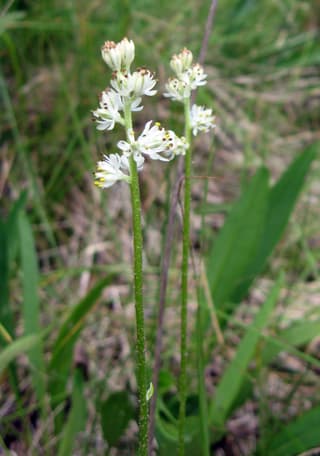
| Sticky false asphodel | Hard | Bright indirect | 1d | ✓ |
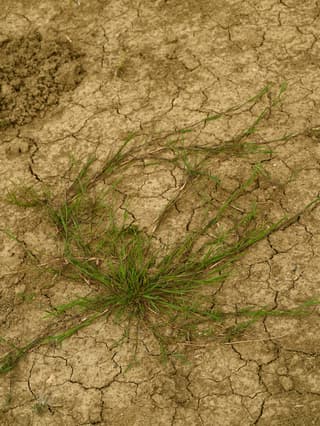
| Creeping bentgrass | Hard | Direct sun | 3d | ✓ |
| Bulbous Adder's-tongue | Hard | Partial shade | 4d | ✓ |
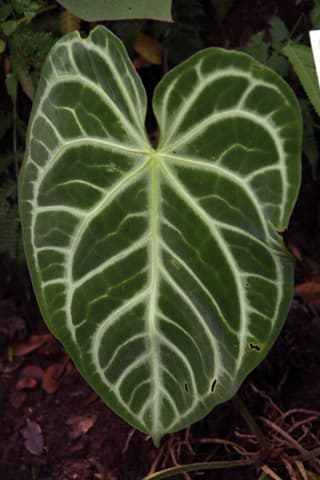
| Crystal Anthurium | Hard | Partial shade | 7d | ⚠️ |