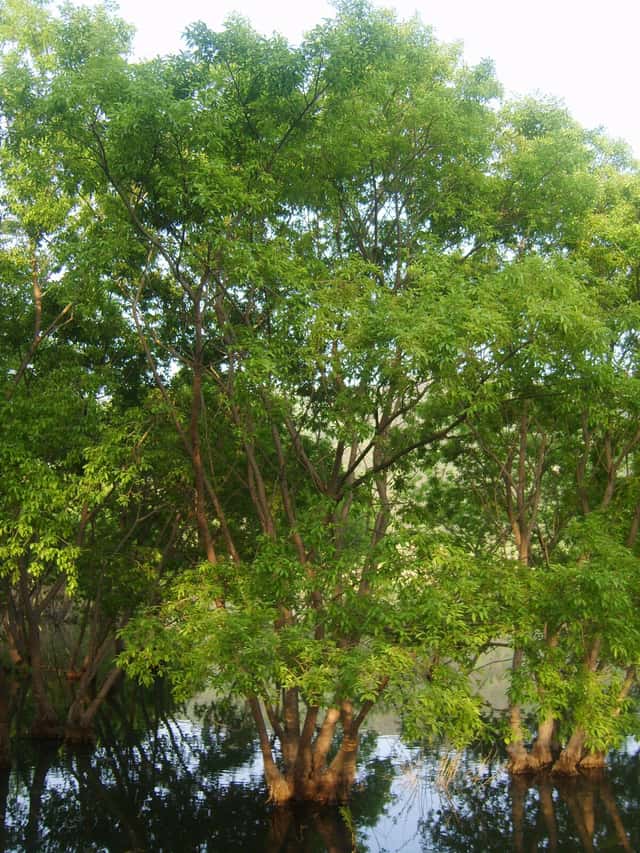
Salicaceae
Pink Pussy Willow: Medicinal Uses & Care Tips
Salix chaenomeloides
A fast-growing and resilient species that thrives in full sun and consistently moist to wet soil. It tolerates sandy, loamy, and clay substrates, and performs best in slightly acidic to neutral soil. Regular pruning (every 2-3 years) improves the quality and quantity of catkins.
Every 3 days
Bright indirect
° - °C
% - %
Categories
What is Pink Pussy Willow?
Pink Pussy Willow (Salix chaenomeloides) is a easy-care plant from the Salicaceae family. Salix chaenomeloides, also known as pink or Japanese pussy willow, is a deciduous shrub or small tree from the Salicaceae family, native to Japan, Korea, and China. It is cultivated for its striking, large catkins that are initially silvery-pink and darken to black over time. The catkins appear in l...
Pink Pussy Willow grows up to 4.5m, spread of 300cm, watering every 3 days. It is not suitable for indoor environments and not safe for pets.
Unlike many tropical plants, Pink Pussy Willow tolerates watering mistakes. Best for beginners. Without precautions, ingestion can cause irritation in pets. Keep out of reach of cats and dogs.
How to Care for Pink Pussy Willow?
TLDR: Pink Pussy Willow needs Bright indirect, watering every 3 days, and temperatures between 15-30°C with 40-70% humidity.
How Often Should You Water Pink Pussy Willow?
Keep the soil consistently moist, especially during dry periods and the first year after planting. This species tolerates occasionally waterlogged soil and thrives near water bodies—do not allow the root system to dry out completely.
How Much Light Does Pink Pussy Willow Need?
It develops the best catkins and branching in full sun (6 or more hours of direct sunlight daily), but also tolerates partial shade.
What Is the Best Soil for Pink Pussy Willow?
It is tolerant of sand, loam, and clay, but grows best in moist to wet, slightly acidic to neutral soil (pH approximately 6.0-7.0).
What Pot Should You Use for Pink Pussy Willow?
Grow young plants and cuttings in a wide, deep pot with good drainage that can retain moisture; due to its vigorous growth and ultimate size, it is best to transplant the plant to a permanent spot in the garden or near water as soon as possible.
What Is Pink Pussy Willow and Where Does It Come From?
Salix chaenomeloides, also known as pink or Japanese pussy willow, is a deciduous shrub or small tree from the Salicaceae family, native to Japan, Korea, and China. It is cultivated for its striking, large catkins that are initially silvery-pink and darken to black over time. The catkins appear in late winter and early spring on glossy, dark red shoots, before the plant leafs out. The most famous cultivar is 'Mt. Aso', valued in gardens and floral arrangements for its decorative branches.
How Big Does Pink Pussy Willow Grow?
TLDR: Pink Pussy Willow can reach up to 4.5m tall with Fast growth rate.
Max height
4.5m
Spread
3.0m
Growth rate
Fast
Foliage
Deciduous
Warning: Toxic Plant
This plant can be toxic if ingested. Keep out of reach of:
Plant Uses
Ornamental
Great for decoration
Medicinal
Medicinal properties
Medicinal Uses
- Leaves contain phenolic compounds (including clasenolin) which have shown antibacterial activity against Helicobacter pylori in scientific studies
- As with other willows, the bark contains salicin, a natural compound related to aspirin, traditionally associated with anti-inflammatory and analgesic effects (for informational purposes, not a substitute for medication)
Is your plant showing symptoms?
Click on the symptom to discover possible causes:
What Diseases Commonly Affect Pink Pussy Willow?
TLDR: Pink Pussy Willow is susceptible to 4 known diseases. Monitor regularly for early detection.
Aphids
Aphids are small, soft-bodied, pear-shaped insects (1/16 to 1/8 inch long) that feed by sucking nutrient-rich sap from plants. They reproduce rapidly and can quickly weaken plants, causing distorted growth and transmitting plant viruses. Aphids come in various colors including green, black, red, yellow, brown, and gray. They secrete honeydew, a sticky substance that attracts ants and encourages sooty mold growth.
Rust
Rust is a common fungal disease caused by fungi in the order Pucciniales that affects a wide variety of plants. The disease gets its name from the characteristic orange, yellow, or reddish-brown pustules that appear on leaves, resembling metal rust. This obligate fungal parasite requires living plants to survive and can cause significant economic losses in agricultural crops.
Canker
Canker is a disease caused by various fungi and bacteria that create necrotic, sunken areas on bark of branches, stems, and trunks. Pathogens enter through wounds and natural openings, especially when plants are stressed. Canker can gradually weaken or kill branches by disrupting water and nutrient flow.
Crown Gall
Crown gall is a bacterial disease caused by Agrobacterium tumefaciens that affects over 140 species of plants. The bacteria insert DNA into plant cells, causing them to divide uncontrollably and form large tumor-like growths (galls) primarily on roots, stems, and at the soil line. These galls restrict water and nutrient flow, severely impacting plant health and potentially killing the plant.
Meaning & Symbolism
Pussy willows of this species symbolize the arrival of spring and the renewal of life after winter—in Japan, they are used in ikebana, and in Central European and Croatian tradition, willow branches with catkins are carried on Palm Sunday as a symbol of blessing and new life.
Compare with similar plants
| Attribute | Difficulty | Light | Watering | Pet Safe |
|---|---|---|---|---|
| Field Maple | Easy | Bright indirect | 14d | ✓ |
| Silver Birch | Easy | Direct sun | 14d | ✓ |
| Common Blanketflower | Easy | Direct sun | 10d | ✓ |
| Cushion Bush | Easy | Direct sun | 14d | ✓ |
Choose & Compare
Sources & References
- Salix chaenomeloides - Wikipedia
- Salix chaenomeloides - NC State Extension Plant Toolbox
- Salix chaenomeloides - CABI Compendium
- Pupleosier Willow - ASPCA Toxic and Non-Toxic Plants
- Rooting Pussy Willow Cuttings - Gardening Know How
- Chaenomelin, a New Phenolic Glycoside, and Anti-Helicobacter pylori Phenolic Compounds from the Leaves of Salix chaenomeloides





