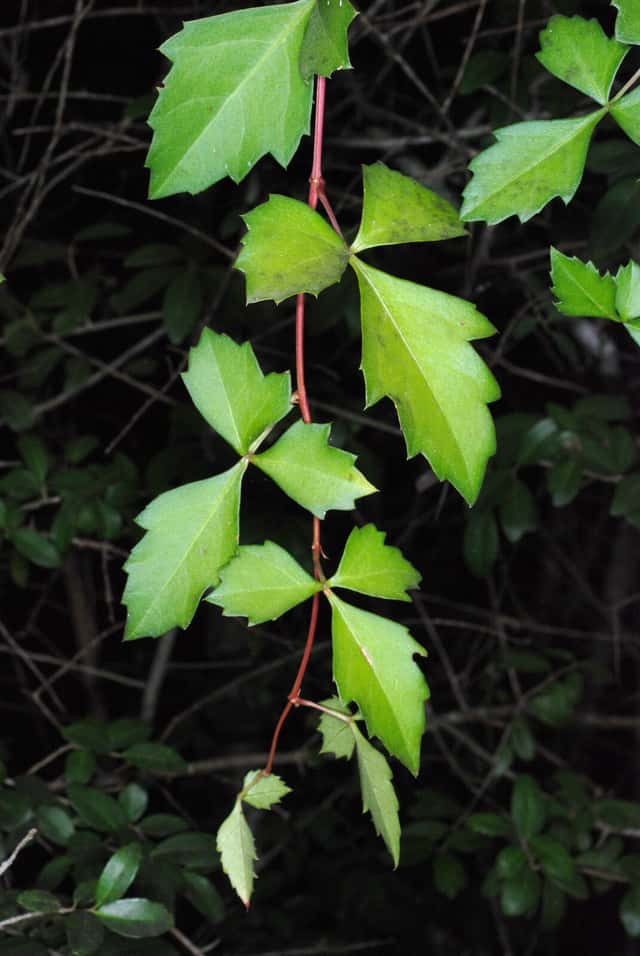
Vitaceae
Possum grape (Cissus trifoliata)
Cissus trifoliata
A tough native vine for hot, dry gardens: give it sun or partial shade, well-drained soil and something to climb. It needs little water once established. Wear gloves when handling it, since the sap can irritate skin.
Every 10 days
Partial shade
-7° - 40°C
% - %
Categories
What is Possum grape?
Possum grape (Cissus trifoliata) is a easy-care plant from the Vitaceae family. Cissus trifoliata is a climbing vine in the grape family (Vitaceae), native from the southern United States through Mexico and the Caribbean to northern South America. It grows from large brown tubers and sends out stems up to about 9 m long that climb over shrubs, fences and trees with coiling tend...
Possum grape grows up to 9.0m, spread of 300cm, watering every 10 days, -7°C – 40°C. It is not suitable for indoor environments and safe for pets.
Unlike many tropical plants, Possum grape tolerates watering mistakes. Best for beginners. Unlike many popular species, Possum grape is safe to keep around pets.
How to Care for Possum grape?
TLDR: Possum grape needs Partial shade, watering every 10 days, and temperatures between -7-40°C with 40-70% humidity.
How Often Should You Water Possum grape?
Water every 10 days or so during the first summer. Once the tubers are established it survives long dry spells; water only in extended drought. Soggy soil can rot the tubers.
How Much Light Does Possum grape Need?
Partial shade to full sun. In very hot climates some afternoon shade keeps the leaves greener.
What Is the Best Soil for Possum grape?
Any well-drained soil, sandy, rocky or loamy, from slightly acidic to alkaline (pH 6 to 8). Avoid spots where water pools.
What Pot Should You Use for Possum grape?
It can grow in a large pot with a trellis, at least 30 cm deep with very good drainage so the tuber does not rot. In the ground it grows far bigger.
What Is Possum grape and Where Does It Come From?
Cissus trifoliata is a climbing vine in the grape family (Vitaceae), native from the southern United States through Mexico and the Caribbean to northern South America. It grows from large brown tubers and sends out stems up to about 9 m long that climb over shrubs, fences and trees with coiling tendrils. The leaves are thick and fleshy, split into three lobes or three leaflets, and give off a sharp, unpleasant smell when crushed. They stay on the plant in mild winters but drop after frost, and the tubers sprout again in spring. Small greenish to cream-yellow flowers in flat clusters are followed by juicy black berries.
How to Propagate Possum grape?
Sowing seeds
Wear gloves when handling the fruit and stems. Fresh seed germinates best.
- 1 Collect ripe black berries and wash the pulp off the seeds
- 2 Sow 1 cm deep in well-drained seed mix
- 3 Keep warm and lightly moist until seedlings appear
- 4 Plant out when the seedling has formed a small tuber
Materials needed:
Stem cuttings
Do not keep the mix soggy; the fleshy stems rot easily.
- 1 Cut a 10-15 cm piece of young stem with at least two nodes
- 2 Remove the lower leaf
- 3 Insert the cutting in moist sandy mix
- 4 Keep in bright shade and lightly moist until it roots
Materials needed:
How Big Does Possum grape Grow?
TLDR: Possum grape can reach up to 9.0m tall with Fast growth rate.
Max height
9.0m
Spread
3.0m
Growth rate
Fast
Foliage
Semi-evergreen
Warning: Toxic Plant
This plant can be toxic if ingested. Keep out of reach of:
Plant Uses
Ornamental
Great for decoration
Is your plant showing symptoms?
Click on the symptom to discover possible causes:
What Diseases Commonly Affect Possum grape?
TLDR: Possum grape is susceptible to 6 known diseases. Monitor regularly for early detection.
Caterpillars
Caterpillars are the larval stage of moths and butterflies that feed voraciously on plant foliage, stems, flowers, and fruits. Common species include cabbage loopers, tomato hornworms, armyworms, and cutworms. These pests can cause extensive damage by consuming large amounts of plant tissue in a short time. They vary in size from small (1/4 inch) to large (5 inches), with colors ranging from green to brown, often featuring stripes or spots. Caterpillars are highly mobile and can quickly spread throughout gardens, making them one of the most destructive common pests.
Root Rot
Root rot is a serious fungal disease that affects the root system of plants, causing them to decay and die. It is primarily caused by overwatering, poor drainage, or soil-borne fungi such as Pythium, Phytophthora, Rhizoctonia, and Fusarium. The disease thrives in waterlogged conditions where roots are deprived of oxygen, making them susceptible to fungal infection.
Powdery Mildew
Powdery mildew is a common fungal disease caused by various fungi species including Erysiphe, Podosphaera, Oïdium, and Leveillula. It affects over 10,000 plant species worldwide. The disease thrives in warm, dry climates with high humidity and appears as a distinctive white powdery coating on plant surfaces.
Downy Mildew
Downy mildew is a fungal-like disease caused by oomycetes (water molds) that thrives in cool, wet conditions. It affects a wide range of plants, causing yellowing leaves with fuzzy white-gray growth underneath, leading to defoliation and reduced yields if left untreated.
Fun Facts
It is a relative of the cultivated grape, but its berries are not eaten.
Its leaves are so fleshy they look almost like a succulent.
Its caterpillar visitors include sphinx moth larvae.
Frequently asked questions
Is possum grape poisonous?
Why does Cissus trifoliata smell bad?
Is possum grape evergreen?
How do I control a possum grape vine that is spreading?
Compare with similar plants
| Attribute | Difficulty | Light | Watering | Pet Safe |
|---|---|---|---|---|
| Field Maple | Easy | Bright indirect | 14d | ✓ |
| Iberian Houseleek | Easy | Direct sun | 14d | ✓ |
| Silver Birch | Easy | Direct sun | 14d | ✓ |
| Common Blanketflower | Easy | Direct sun | 10d | ✓ |





