Araceae
Philodendron 'Prince of Orange' Care Guide
Philodendron 'Prince of Orange'
Give it bright, indirect light, water when the top 2-5 cm of soil dries out, and pot it in a well-draining, peat-based mix. It rewards consistent warmth (15-29°C) and above-average humidity with vigorous new growth.
Every 7 days
Partial shade
15° - 29°C
% - %
Categories
What is Prince of Orange Philodendron?
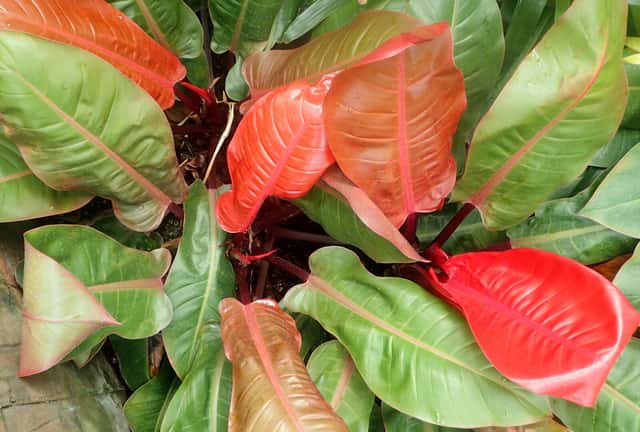
Prince of Orange Philodendron (Philodendron 'Prince of Orange') is a easy-care plant from the Araceae family. Philodendron 'Prince of Orange' is a compact, self-heading hybrid aroid prized for the vivid copper-orange color of its emerging leaves, which mature through yellow-green to a glossy deep green. Unlike vining philodendrons, it grows upright in a neat rosette, making it a favorite tabletop and shelf...
Prince of Orange Philodendron grows up to 60cm, spread of 60cm, watering every 7 days, 15°C – 29°C. It is suitable for indoor environments and not safe for pets.
Unlike many tropical plants, Prince of Orange Philodendron tolerates watering mistakes. Best for beginners. Without precautions, ingestion can cause irritation in pets. Keep out of reach of cats and dogs. Without adequate drainage, root rot can develop within 14 days.
How to Care for Prince of Orange Philodendron?
TLDR: Prince of Orange Philodendron needs Partial shade, watering every 7 days, and temperatures between 15-29°C with 40-70% humidity.
How Often Should You Water Prince of Orange Philodendron?
Water thoroughly when the top 1-2 inches (2-5 cm) of soil feel dry, then let the pot drain completely — soggy soil is the main cause of root rot in this species.
How Much Light Does Prince of Orange Philodendron Need?
Place it where it gets bright, indirect light for most of the day; a few feet back from an east- or west-facing window is ideal. Direct midday sun will scorch the leaves, while very low light dulls the orange coloring in new growth.
What Is the Best Soil for Prince of Orange Philodendron?
Use a light, well-draining aroid or peat-based potting mix, ideally amended with perlite or orchid bark, so the sensitive aerial roots don't sit in moisture.
What Pot Should You Use for Prince of Orange Philodendron?
A terracotta or other porous pot with drainage holes suits it best, helping excess moisture evaporate between waterings; size up only 1-2 inches at repotting.
Care Schedule
Fertilize
Every 30 days
Misting
Every 7 days
Rotate
Every 14 days
Repot
Every 450 days
What Is Prince of Orange Philodendron and Where Does It Come From?
Philodendron 'Prince of Orange' is a compact, self-heading hybrid aroid prized for the vivid copper-orange color of its emerging leaves, which mature through yellow-green to a glossy deep green. Unlike vining philodendrons, it grows upright in a neat rosette, making it a favorite tabletop and shelf plant. It is a fast grower under good light and stays relatively small, rarely exceeding about 60 cm (2 ft) in height and spread indoors.
How to Propagate Prince of Orange Philodendron?
Stem cutting in water
Dipping the cut end in rooting hormone before placing it in water is optional but can speed up and improve rooting success.
- 1 Choose a healthy stem section with 2-3 leaves and at least one node.
- 2 Cut just below a node using clean, sharp scissors or pruning shears.
- 3 Place the cutting in a clear container of water with the node submerged and leaves above the waterline.
- 4 Set the container in a warm, bright spot out of direct sun and change the water every few days.
- 5 Once roots reach 2-3 inches long, pot the cutting into a well-draining aroid mix.
Materials needed:
How Big Does Prince of Orange Philodendron Grow?
TLDR: Prince of Orange Philodendron can reach up to 60cm tall with Fast growth rate.
Max height
60cm
Spread
60cm
Growth rate
Fast
Foliage
Evergreen
Warning: Toxic Plant
This plant can be toxic if ingested. Keep out of reach of:
Plant Uses
Ornamental
Great for decoration
Is your plant showing symptoms?
Click on the symptom to discover possible causes:
What Diseases Commonly Affect Prince of Orange Philodendron?
TLDR: Prince of Orange Philodendron is susceptible to 6 known diseases. Monitor regularly for early detection.
Root Rot
Root rot is a serious fungal disease that affects the root system of plants, causing them to decay and die. It is primarily caused by overwatering, poor drainage, or soil-borne fungi such as Pythium, Phytophthora, Rhizoctonia, and Fusarium. The disease thrives in waterlogged conditions where roots are deprived of oxygen, making them susceptible to fungal infection.
Leaf Spot
Leaf spot is a common fungal disease caused by various pathogens including Alternaria, Ascochyta, Colletotrichum, Septoria, and Venturia. It primarily affects leaves, causing discolored spots that can lead to premature leaf drop if left untreated.
Mealybugs
Mealybugs are small, soft-bodied insects covered with a white, waxy, cottony material. They are common pests of houseplants and outdoor plants in mild climates. These sap-sucking insects feed on plant tissue, causing damage, stunted growth, and can lead to plant death if left untreated. They produce sticky honeydew which attracts sooty mold.
Aphids
Aphids are small, soft-bodied, pear-shaped insects (1/16 to 1/8 inch long) that feed by sucking nutrient-rich sap from plants. They reproduce rapidly and can quickly weaken plants, causing distorted growth and transmitting plant viruses. Aphids come in various colors including green, black, red, yellow, brown, and gray. They secrete honeydew, a sticky substance that attracts ants and encourages sooty mold growth.
Meaning & Symbolism
In houseplant culture, its fiery new leaves are often associated with energy, optimism and fresh starts, since each new leaf unfurls in a brighter color before settling into calm green.
Fun Facts
Each new leaf emerges bright copper-orange and gradually shifts to yellow-green before settling into deep glossy green.
It's a hybrid, likely derived from Philodendron erubescens, bred for its compact, upright ('self-heading') growth habit rather than climbing.
Its aerial roots, typical of aroids, help it absorb extra moisture and nutrients even though the plant itself doesn't climb.
Frequently asked questions
Is Philodendron Prince of Orange toxic to pets?
Why are the new leaves not orange anymore?
Does Prince of Orange climb like other philodendrons?
How do I know when to repot it?
Compare with similar plants
| Attribute | Difficulty | Light | Watering | Pet Safe |
|---|---|---|---|---|
| Field Maple | Easy | Bright indirect | 14d | ✓ |
| Silver Birch | Easy | Direct sun | 14d | ✓ |
| Common Blanketflower | Easy | Direct sun | 10d | ✓ |
| Cushion Bush | Easy | Direct sun | 14d | ✓ |
Choose & Compare
Sources & References
- Philodendron 'Prince of Orange' - Plant Care 101 - Gardenia.net
- How to Care for a Philodendron Prince of Orange Plant - Greenery Unlimited
- Common Philodendron Prince Of Orange Diseases (And How To Treat Them)
- Common Philodendron Prince Of Orange Pests (And What To Do About Them)
- How To Propagate Your Philodendron Prince Of Orange





