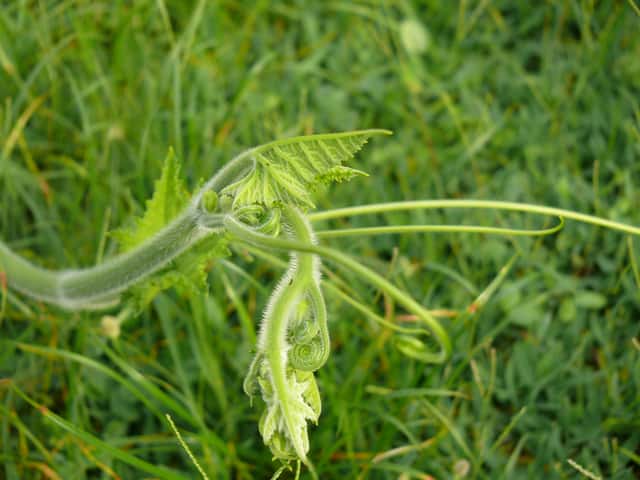
Cucurbitaceae
Pumpkin: Edible Plant
Curburbita pepo
Grow pumpkins in a location with full sun (minimum 6 hours of direct light per day), rich in organic matter, well-drained soil, and regular watering to keep the soil uniformly moist without waterlogging. It is a fast-growing plant with high nutrient demands, benefiting from bi-weekly fertilization during the fruiting phase.
Every 3 days
Direct sun
15° - 35°C
40% - 70%
Categories
What is Pumpkin?
Pumpkin (Curburbita pepo) is a medium-care plant from the Cucurbitaceae family. Pumpkin (Cucurbita pepo) is an annual vine from the Cucurbitaceae family, native to North and Central America. It produces creeping or climbing stems, large, rough leaves, and showy yellow-orange flowers. Its fruits vary enormously in shape, size, and color, including zucchini, ornamental gourds, an...
Pumpkin grows up to 60cm, spread of 500cm, watering every 3 days, 15°C – 35°C, 40–70% humidity. It is not suitable for indoor environments and safe for pets.
Unlike many popular species, Pumpkin is safe to keep around pets.
How to Care for Pumpkin?
TLDR: Pumpkin needs Direct sun, watering every 3 days, and temperatures between 15-35°C with 40-70% humidity.
How Often Should You Water Pumpkin?
Water deeply 2-3 times a week, keeping the soil moist but never waterlogged. Avoid wetting the leaves to reduce the risk of powdery mildew and downy mildew; prefer watering at the base of the plant in the morning.
How Much Light Does Pumpkin Need?
Requires full sun — at least 6 to 8 hours of direct sunlight daily. In very hot locations, light afternoon shade may be tolerated, but fruit production decreases without sufficient light.
What Is the Best Soil for Pumpkin?
Prefers soil rich in organic matter, fertile, and well-drained, with a slightly acidic to neutral pH (5.5–6.8). Incorporate compost or aged manure before planting to improve fertility.
What Pot Should You Use for Pumpkin?
Prefer large pots (40L+) or direct planting in the ground/garden bed, with good drainage and space for the vines to spread or a support structure for vertical cultivation.
Care Schedule
Fertilize
Every 14 days
What Is Pumpkin and Where Does It Come From?
Pumpkin (Cucurbita pepo) is an annual vine from the Cucurbitaceae family, native to North and Central America. It produces creeping or climbing stems, large, rough leaves, and showy yellow-orange flowers. Its fruits vary enormously in shape, size, and color, including zucchini, ornamental gourds, and winter squash. It has been cultivated for millennia by indigenous American peoples and is now one of the most popular vegetables in the world.
How to Propagate Pumpkin?
Direct sowing
Prefer to sow directly in the final location, as roots are sensitive to transplanting. Soil warmed above 13°C accelerates germination.
- 1 Sow 2-3 seeds per hole 2 cm deep, after the risk of frost has passed
- 2 Space holes 90-120 cm apart to allow room for vines
- 3 Keep soil moist until germination
- 4 Thin out weaker seedlings, leaving the most vigorous one per hole
Materials needed:
How Big Does Pumpkin Grow?
TLDR: Pumpkin can reach up to 60cm tall with Fast growth rate.
Max height
60cm
Spread
5.0m
Growth rate
Fast
Foliage
Deciduous
Plant Uses
Edible
Can be consumed
Ornamental
Great for decoration
Medicinal
Medicinal properties
Medicinal Uses
- Seeds with anthelmintic and diuretic properties
- Seed oil used for prostate health
- Pulp in decoction for intestinal inflammations
Culinary Uses
- Cooked fruit as a vegetable (pumpkin, zucchini)
- Roasted seeds consumed as a snack or ground into flour
- Stuffed or fried flowers
- Cooked leaves and shoots as greens
Is your plant showing symptoms?
Click on the symptom to discover possible causes:
What Diseases Commonly Affect Pumpkin?
TLDR: Pumpkin is susceptible to 9 known diseases. Monitor regularly for early detection.
Powdery Mildew
Powdery mildew is a common fungal disease caused by various fungi species including Erysiphe, Podosphaera, Oïdium, and Leveillula. It affects over 10,000 plant species worldwide. The disease thrives in warm, dry climates with high humidity and appears as a distinctive white powdery coating on plant surfaces.
Downy Mildew
Downy mildew is a fungal-like disease caused by oomycetes (water molds) that thrives in cool, wet conditions. It affects a wide range of plants, causing yellowing leaves with fuzzy white-gray growth underneath, leading to defoliation and reduced yields if left untreated.
Anthracnose
Anthracnose is a fungal disease caused by fungi in the genus Colletotrichum that affects many plants, including vegetables, fruits, and trees. The disease thrives in cool, wet conditions, causing dark, sunken lesions on leaves, stems, flowers, and fruits.
Bacterial Wilt
Bacterial wilt is a fatal vascular disease caused by bacteria (Erwinia tracheiphila, Ralstonia solanacearum, Xanthomonas spp.) that infects the water-conducting tissue of plants. The bacteria multiply and block the flow of water and nutrients, causing rapid wilting and plant death within 1-2 weeks.
Meaning & Symbolism
Symbolizes abundance, harvest, and prosperity; it is associated with autumn festivals and gratitude for the earth.
Compare with similar plants
| Attribute | Difficulty | Light | Watering | Pet Safe |
|---|---|---|---|---|
| Dark Fieldcap | Medium | Low light | 2d | ⚠️ |
| Azalea | Medium | Partial shade | 3d | ⚠️ |
| Muriel's Bamboo | Medium | Partial shade | 3d | ✓ |
| Bougainvillea | Medium | Direct sun | 7d | ⚠️ |




