Fabaceae
Red Acacia – Vachellia seyal
Vachellia seyal
Red Acacia is a very low-maintenance, drought-tolerant tree best suited for large outdoor spaces in warm, frost-free climates. Provide full sun, well-drained soil, and minimal watering once established. It grows fast and needs little intervention.
Every 14 days
Direct sun
10° - 45°C
20% - 50%
Categories
What is Red Acacia?
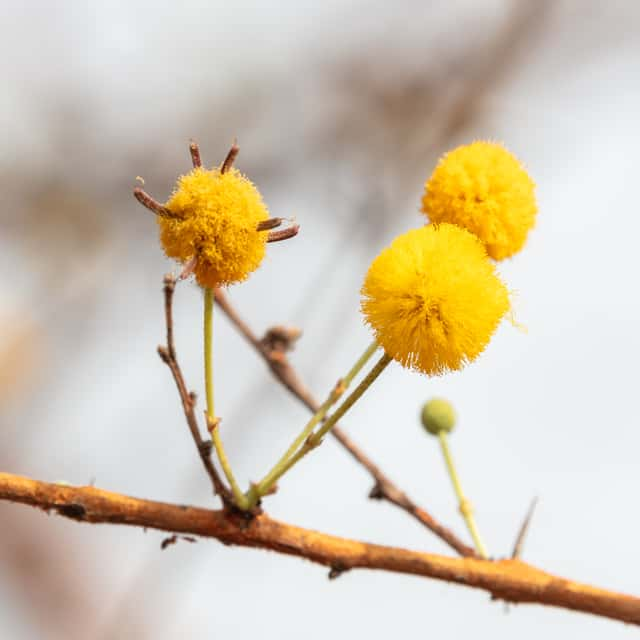
Red Acacia (Vachellia seyal) is a hard-care plant from the Fabaceae family. Vachellia seyal, commonly known as Red Acacia or Shittim Wood, is a fast-growing, thorny evergreen tree native to the arid Sahel region of Africa and the Middle East. It produces distinctive bright yellow, globose flower heads with a sweet, spicy scent, and is renowned for its pale reddish or greeni...
Red Acacia grows up to 17.0m, spread of 1200cm, watering every 14 days, 10°C – 45°C, 20–50% humidity. It is not suitable for indoor environments and safe for pets.
Unlike easy-care plants, Red Acacia demands constant attention to humidity and light. Not recommended for beginners. Unlike many popular species, Red Acacia is safe to keep around pets.
How to Care for Red Acacia?
TLDR: Red Acacia needs Direct sun, watering every 14 days, and temperatures between 10-45°C with 20-50% humidity.
How Often Should You Water Red Acacia?
Water deeply but infrequently — every 10–14 days during dry spells, less often once fully established. This tree is extremely drought-tolerant and suffers more from overwatering than underwatering. Ensure soil drains freely to avoid root issues.
How Much Light Does Red Acacia Need?
Red Acacia demands full, direct sunlight for at least 6–8 hours a day. It cannot tolerate shade and will decline if light is insufficient. Ideal for open landscapes, savannahs, and dry gardens.
What Is the Best Soil for Red Acacia?
Plant in sandy loam, clay loam, or gravelly soil with pH 6.0–8.0. Avoid waterlogged or consistently wet conditions. This tree tolerates poor, saline, and stony soils — rich soil is not required and may encourage excessive foliage at the expense of flowering.
What Pot Should You Use for Red Acacia?
Not suitable for containers — best grown in open ground in large landscapes or agroforestry settings.
What Is Red Acacia and Where Does It Come From?
Vachellia seyal, commonly known as Red Acacia or Shittim Wood, is a fast-growing, thorny evergreen tree native to the arid Sahel region of Africa and the Middle East. It produces distinctive bright yellow, globose flower heads with a sweet, spicy scent, and is renowned for its pale reddish or greenish bark. Historically significant as the biblical "shittim wood" used to construct the Ark of the Covenant, this resilient tree thrives in full sun, tolerates drought and periodic flooding, and plays a vital role in dryland ecosystems through nitrogen fixation.
How to Propagate Red Acacia?
Seed Propagation
Scarification and pre-soaking are essential — untreated seeds have very low germination rates. Use fresh seeds for best results.
- 1 Scarify seeds by nicking the seed coat or rubbing with sandpaper
- 2 Soak scarified seeds in warm water for 24 hours
- 3 Sow seeds in sandy or loamy soil at 21°C (70°F)
- 4 Keep soil lightly moist until germination occurs (2–4 weeks)
- 5 Transplant seedlings to full sun once they reach 15 cm
Materials needed:
How Big Does Red Acacia Grow?
TLDR: Red Acacia can reach up to 17.0m tall with Fast growth rate.
Max height
17.0m
Spread
12.0m
Growth rate
Fast
Foliage
Evergreen
Plant Uses
Ornamental
Great for decoration
Edible
Can be consumed
Medicinal
Medicinal properties
Medicinal Uses
- Bark and gum extracts used traditionally for treating colds, diarrhea, burns, and skin conditions
- Gum used as an adhesive and has anti-inflammatory properties
- Leaves used in traditional medicine for eye conditions and leprosy treatment
Culinary Uses
- Edible gum harvested from bark, used as a food additive and natural binder
- Flowers produce high-quality honey when visited by bees
Is your plant showing symptoms?
Click on the symptom to discover possible causes:
What Diseases Commonly Affect Red Acacia?
TLDR: Red Acacia is susceptible to 10 known diseases. Monitor regularly for early detection.
Rust
Rust is a common fungal disease caused by fungi in the order Pucciniales that affects a wide variety of plants. The disease gets its name from the characteristic orange, yellow, or reddish-brown pustules that appear on leaves, resembling metal rust. This obligate fungal parasite requires living plants to survive and can cause significant economic losses in agricultural crops.
Powdery Mildew
Powdery mildew is a common fungal disease caused by various fungi species including Erysiphe, Podosphaera, Oïdium, and Leveillula. It affects over 10,000 plant species worldwide. The disease thrives in warm, dry climates with high humidity and appears as a distinctive white powdery coating on plant surfaces.
Leaf Spot
Leaf spot is a common fungal disease caused by various pathogens including Alternaria, Ascochyta, Colletotrichum, Septoria, and Venturia. It primarily affects leaves, causing discolored spots that can lead to premature leaf drop if left untreated.
Aphids
Aphids are small, soft-bodied, pear-shaped insects (1/16 to 1/8 inch long) that feed by sucking nutrient-rich sap from plants. They reproduce rapidly and can quickly weaken plants, causing distorted growth and transmitting plant viruses. Aphids come in various colors including green, black, red, yellow, brown, and gray. They secrete honeydew, a sticky substance that attracts ants and encourages sooty mold growth.
Meaning & Symbolism
Vachellia seyal symbolizes strength, endurance, and sacred heritage. It is widely regarded as the biblical shittim wood from which the Ark of the Covenant was crafted, making it a tree of deep spiritual importance across cultures of the Sahel and Middle East.
Fun Facts
Vachellia seyal is believed to be the biblical shittim wood used to build the Ark of the Covenant, as described in the Book of Exodus
Young trees can grow more than 1 metre per year, making it one of the fastest-growing acacias in Africa
The tree fixes atmospheric nitrogen through root bacteria, naturally improving poor Sahel soils
Its bark contains 20–30% tannins, making it valuable for leather tanning and traditional dyeing
Frequently asked questions
How often should I water Red Acacia?
Can Red Acacia grow indoors?
Is Red Acacia toxic to pets or humans?
How fast does Red Acacia grow?
What is shittim wood?
Compare with similar plants
| Attribute | Difficulty | Light | Watering | Pet Safe |
|---|---|---|---|---|
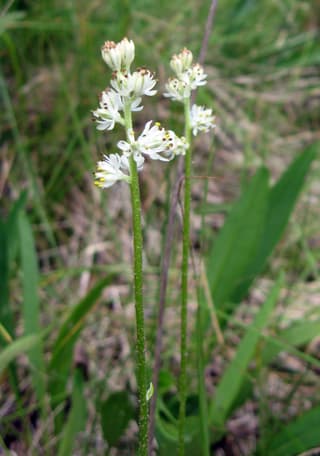
| Sticky false asphodel | Hard | Bright indirect | 1d | ✓ |
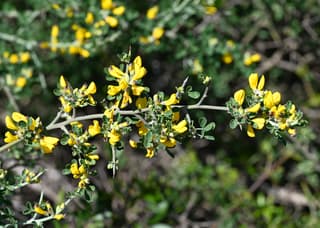
| Hairy Thorny Broom | Easy | Direct sun | 14d | ✓ |
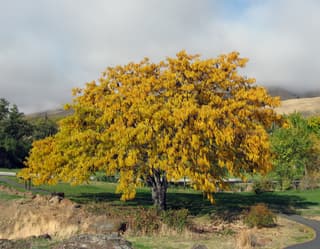
| Honey Locust | Medium | Direct sun | 14d | ✓ |
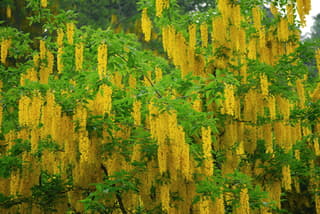
| Scotch laburnum | Medium | Bright indirect | 10d | ⚠️ |