Red Acacia with Heat Stress? Rare but Treatable
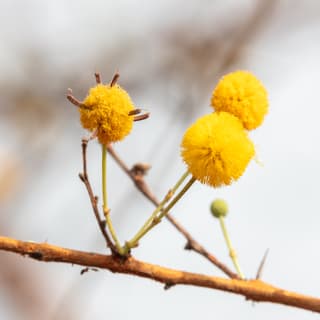
Vachellia seyal
Heat Stress on Red Acacia: What to Know?
Heat Stress on Red Acacia (Vachellia seyal) is a environmental condition with moderate severity. Red Acacia has low susceptibility to this disease. Heat stress occurs when plants are exposed to excessively high temperatures, typically above 85-90°F (29-32°C), causing physiological damage and compromising vital processes such as photosynthesis and...
Red Acacia is a hard-care plant. Recovery from Heat Stress takes approximately 21 days with proper treatment.
Unlike most plants, Red Acacia has natural resistance to Heat Stress. Best treated with preventive measures rather than reactive treatment.
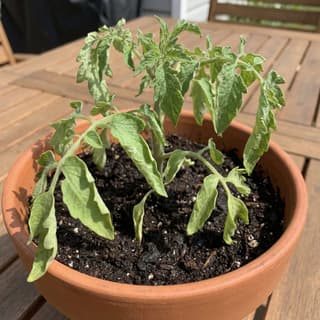
🔍 What Does Heat Stress Look Like on Red Acacia?
- • Wilting of leaves and stems
- • Scorched or burned leaf edges and tips (leaf scorch)
- • Brown, dry margins on leaves
- • Leaf curling and rolling
- • Yellowing of stems, fruit, or bark
- • Flower and fruit drop
- • Stem dieback
- • Leaf drop (defoliation)
❓ What Causes Heat Stress on Red Acacia?
- → Temperatures above 85-90°F (29-32°C)
- → Prolonged exposure to direct sunlight
- → Low air humidity
- → Insufficient soil moisture
- → Heat reflected from walkways, patios, and structures
- → Poor air circulation
- → Shallow roots or compromised root system
💊 How to Treat Heat Stress on Red Acacia?
TLDR: Treat Heat Stress on Red Acacia with quick treatment (~11 days) or organic (~21 days). Red Acacia has low susceptibility to this disease.
Quick Fixes
Step 1
Immediately water plant deeply at root zone using soaker hose or drip system
Step 2
Move container plants to shaded area or install emergency shade cover over garden plants
Step 3
Mist foliage lightly in early morning or evening to cool leaves (avoid midday misting)
Step 4
Remove only completely browned or dead foliage - avoid heavy pruning during stress
Step 5
Apply diluted seaweed extract spray for rapid cell repair support
Step 6
Monitor soil moisture daily and water when top 2 inches are dry
Organic Treatment
Step 1
Apply 2-3 inch layer of organic mulch (straw, wood chips, shredded leaves) around plant base, keeping slightly away from stem
Step 2
Water deeply during early morning (before 9 AM) or evening (after 6 PM) when evaporation is lowest
Step 3
Add compost, worm castings, and biochar to soil to improve water retention and heat resilience
Step 4
Install shade cloth (30-50% density) or move container plants to shadier location
Step 5
Trim only severely scorched leaves and dead flowers to redirect energy toward healthy recovery
Step 6
Apply liquid seaweed extract or fish hydrolysate to support cell repair and hormone balance
🛡️ How to Prevent Heat Stress on Red Acacia?
TLDR: Prevent Heat Stress on Red Acacia with 7 essential preventive care practices.
- ✓ Apply mulch 4-6 inches (10-15 cm) thick around plants
- ✓ Water deeply in early morning hours
- ✓ Choose heat-tolerant plants for your climate
- ✓ Avoid planting or transplanting during hot periods
- ✓ Provide partial shade during hottest hours (30-50% shade cloth)
- ✓ Maintain good air circulation between plants
- ✓ Monitor plants near heat-radiating surfaces
🌱 How to Care for Red Acacia to Prevent Heat Stress?
💧 How to Water
Water deeply but infrequently — every 10–14 days during dry spells, less often once fully established. This tree is extremely drought-tolerant and suffers more from overwatering than underwatering. Ensure soil drains freely to avoid root issues.
☀️ Lighting
Red Acacia demands full, direct sunlight for at least 6–8 hours a day. It cannot tolerate shade and will decline if light is insufficient. Ideal for open landscapes, savannahs, and dry gardens.
🪴 Ideal Soil
Plant in sandy loam, clay loam, or gravelly soil with pH 6.0–8.0. Avoid waterlogged or consistently wet conditions. This tree tolerates poor, saline, and stony soils — rich soil is not required and may encourage excessive foliage at the expense of flowering.
Frequently asked questions
Can Heat Stress kill my Red Acacia?
How long does Red Acacia take to recover from Heat Stress?
Is Heat Stress contagious to other plants near Red Acacia?
Sources & References
- Heat Stress In Plants: Symptoms, Prevention, And Recovery
- Heat wave in the garden: How to identify and prevent heat stress in plants
- Heat Stress in Plants 101: Signs, How to Identify, Prevent & Recover
- 6 Remedies To Save Heat-Stressed Plants
- Protecting Plants From Heat Stress
- Useful Tropical Plants - Vachellia seyal
- PFAF Plant Database - Vachellia seyal
- Wikipedia - Vachellia seyal