Caprifoliaceae
Red Valerian: Full Sun Plant
Centranthus ruber
Sun-loving, drought-tolerant perennial for sunny locations. Requires well-drained, calcareous soil and infrequent watering. Very robust, hardy, and virtually pest-free. Pruning after the first bloom encourages a second wave of flowers.
Every 14 days
Direct sun
-15° - 35°C
30% - 60%
Categories
What is Red Valerian?
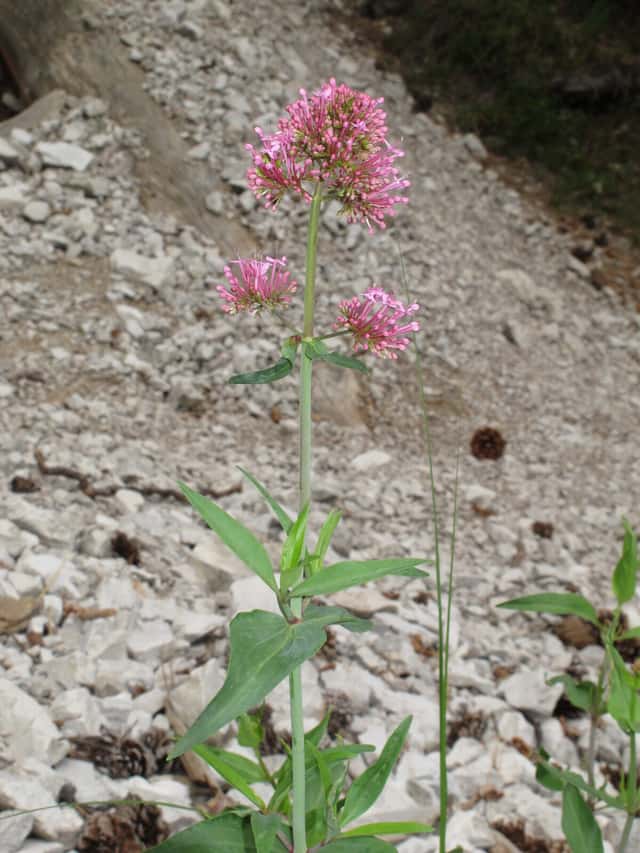
Red Valerian (Centranthus ruber) is a easy-care plant from the Caprifoliaceae family. Red Valerian (Centranthus ruber) is a perennial plant from the Caprifoliaceae family, originally native to the Mediterranean region. With its vibrant red, pink, or white flower panicles and an upright, bushy growth habit reaching up to 90 cm in height, it is a true eye-catcher in any garden. The pla...
Red Valerian grows up to 90cm, spread of 60cm, watering every 14 days, -15°C – 35°C, 30–60% humidity. It is not suitable for indoor environments and safe for pets.
Unlike many tropical plants, Red Valerian tolerates watering mistakes. Best for beginners. Unlike many popular species, Red Valerian is safe to keep around pets.
How to Care for Red Valerian?
TLDR: Red Valerian needs Direct sun, watering every 14 days, and temperatures between -15-35°C with 30-60% humidity.
How Often Should You Water Red Valerian?
Water young plants regularly until they are established. Established Red Valerian is very drought-tolerant and usually survives on natural rainfall. Water sparingly in the morning or evening only during prolonged dry spells. Avoid waterlogging at all costs—it causes root rot.
How Much Light Does Red Valerian Need?
Full sun is ideal—Red Valerian loves warm, sunny, and sheltered spots such as south-facing walls or rock gardens. Partial shade is tolerated but leads to less profuse flowering. Avoid full shade locations.
What Is the Best Soil for Red Valerian?
Well-drained, calcareous to neutral soil is ideal. Clay soils should be loosened with sand or gravel. The plant tolerates poor, stony, or sandy soils excellently. Aim for a pH value between 6.5 and 7.5. Waterlogging must be avoided.
What Pot Should You Use for Red Valerian?
Deep terracotta or stone pots with large drainage holes are suitable for container gardening, as the plant develops a long taproot. A substrate consisting of a mixture of gravel, sand, and lean garden soil is ideal. Place in full sun on balconies.
Care Schedule
Fertilize
Every 30 days
What Is Red Valerian and Where Does It Come From?
Red Valerian (Centranthus ruber) is a perennial plant from the Caprifoliaceae family, originally native to the Mediterranean region. With its vibrant red, pink, or white flower panicles and an upright, bushy growth habit reaching up to 90 cm in height, it is a true eye-catcher in any garden. The plant is extremely robust, drought-tolerant, and thrives particularly well in sunny, calcareous locations. Its long flowering period from spring to autumn, as well as its attractiveness to butterflies and bees, make it a valuable addition to any wildlife garden. Once established, it is nearly maintenance-free and overwinters effortlessly in temperate climates.
How to Propagate Red Valerian?
How Big Does Red Valerian Grow?
TLDR: Red Valerian can reach up to 90cm tall with Medium growth rate.
Max height
90cm
Spread
60cm
Growth rate
Medium
Foliage
Semi-evergreen
Plant Uses
Ornamental
Great for decoration
Medicinal
Medicinal properties
Medicinal Uses
- Traditionally used in folk medicine as a mild sedative (iridoids)
- Leaves and flowers contain bitter substances with anti-inflammatory properties
- Not to be confused with true Valerian (Valeriana officinalis)—it has lower medicinal potency
Culinary Uses
- Young leaves and flowers are edible and can be used raw in salads
- Flowers are suitable as edible decorations for dishes
- Taste is slightly bitter, similar to arugula
Is your plant showing symptoms?
Click on the symptom to discover possible causes:
What Diseases Commonly Affect Red Valerian?
TLDR: Red Valerian is susceptible to 6 known diseases. Monitor regularly for early detection.
Powdery Mildew
Powdery mildew is a common fungal disease caused by various fungi species including Erysiphe, Podosphaera, Oïdium, and Leveillula. It affects over 10,000 plant species worldwide. The disease thrives in warm, dry climates with high humidity and appears as a distinctive white powdery coating on plant surfaces.
Root Rot
Root rot is a serious fungal disease that affects the root system of plants, causing them to decay and die. It is primarily caused by overwatering, poor drainage, or soil-borne fungi such as Pythium, Phytophthora, Rhizoctonia, and Fusarium. The disease thrives in waterlogged conditions where roots are deprived of oxygen, making them susceptible to fungal infection.
Leaf Spot
Leaf spot is a common fungal disease caused by various pathogens including Alternaria, Ascochyta, Colletotrichum, Septoria, and Venturia. It primarily affects leaves, causing discolored spots that can lead to premature leaf drop if left untreated.
Aphids
Aphids are small, soft-bodied, pear-shaped insects (1/16 to 1/8 inch long) that feed by sucking nutrient-rich sap from plants. They reproduce rapidly and can quickly weaken plants, causing distorted growth and transmitting plant viruses. Aphids come in various colors including green, black, red, yellow, brown, and gray. They secrete honeydew, a sticky substance that attracts ants and encourages sooty mold growth.
Meaning & Symbolism
Red Valerian represents Mediterranean lightness, a connection to nature, and the joy of life. As a dedicated bee pasture and butterfly magnet, it symbolizes the bond with nature and the attraction of the living world.
Compare with similar plants
| Attribute | Difficulty | Light | Watering | Pet Safe |
|---|---|---|---|---|
| Field Maple | Easy | Bright indirect | 14d | ✓ |
| Silver Birch | Easy | Direct sun | 14d | ✓ |
| Common Blanketflower | Easy | Direct sun | 10d | ✓ |
| Cushion Bush | Easy | Direct sun | 14d | ✓ |





