Selaginellaceae
Resurrection plant: Pet-Safe Plant
Selaginella lepidophylla
Extremely easy to grow with minimal requirements. Prefers indirect to medium light and well-draining sandy soil. Tolerates extended periods without water due to its natural dormancy mechanism. Maintain humidity between 40-60% to prevent permanent curling. Ideal temperature range is 15-29°C (59-84°F). Repot every 2-3 years using cactus or succulent soil. Avoid over-fertilizing; apply highly diluted balanced fertilizer once yearly. Water infrequently - the plant thrives on neglect due to its desiccation tolerance.
Every 7-10 days
Partial shade
15° - 29°C
40% - 60%
Categories
What is Resurrection plant?
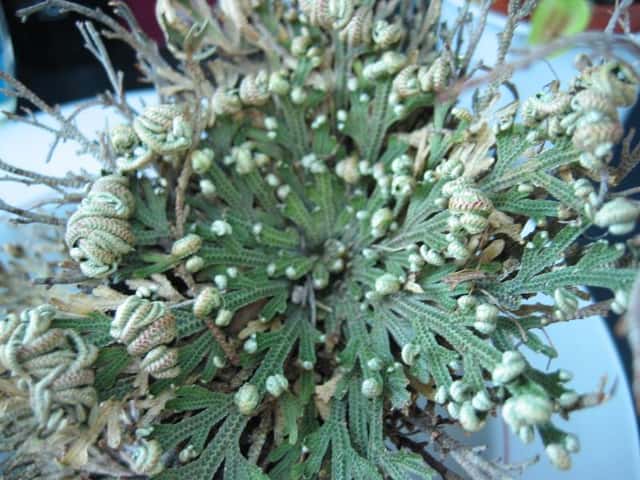
Resurrection plant (Selaginella lepidophylla) is a easy-care plant from the Selaginellaceae family. Selaginella lepidophylla is an extraordinary desert plant of the Selaginellaceae family, native to the Chihuahuan Desert region spanning the United States and Mexico. This small, fern-like plant reaches a maximum height of just 5 cm, featuring delicate green stems covered with tiny scale-like leaves...
Resurrection plant grows up to 5cm, spread of 30cm, 15°C – 29°C, 40–60% humidity. It is suitable for indoor environments and safe for pets.
Unlike many tropical plants, Resurrection plant tolerates watering mistakes. Best for beginners. Unlike many popular species, Resurrection plant is safe to keep around pets.
How to Care for Resurrection plant?
TLDR: Resurrection plant needs Partial shade, watering every 7 days, and temperatures between 15-29°C with 40-60% humidity.
How Often Should You Water Resurrection plant?
This remarkable plant tolerates extended periods of complete drought. Water when soil feels dry to the touch, allowing it to dry out completely between waterings. Most sources recommend occasional watering or even monthly intervals. If the plant curls into a ball, this is a natural dormancy response - not a sign of death. Simply revive it by placing in a shallow water dish where it will rehydrate within 4-24 hours and unfurl. For indoor cultivation, moderate watering maintenance is typically sufficient. This plant bounces back remarkably well from underwatering.
How Much Light Does Resurrection plant Need?
Position in bright indirect or partially shaded location. Avoid direct, intense sunlight, especially during peak afternoon hours. East or north-facing windows are ideal. Tolerates lower light conditions and thrives indoors with moderate ambient light near a window with sheer curtains. The plant can adapt to various light intensities, making it versatile for different indoor spaces.
What Is the Best Soil for Resurrection plant?
Use well-draining sandy soil that mimics the plant's natural desert habitat. Ideal mixture includes cactus/succulent soil, peat-free loam-based medium, sharp sand, fine grit, charcoal, and orchid bark. Soil pH should be between 6.5-7.5. The plant actually prefers nutrient-poor soils and stresses easily from excess fertilizer. Ensure adequate drainage holes in the pot to prevent waterlogging, which is the primary cause of root rot.
What Pot Should You Use for Resurrection plant?
Use pots with drainage holes made of terra cotta, ceramic, or plastic. Terra cotta is preferred as it allows better air circulation and faster soil drying between waterings. Select small to medium sizes proportional to plant size (typically 4-6 inches/10-15 cm diameter). Ensure adequate air space beneath the pot for circulation.
What Is Resurrection plant and Where Does It Come From?
Selaginella lepidophylla is an extraordinary desert plant of the Selaginellaceae family, native to the Chihuahuan Desert region spanning the United States and Mexico. This small, fern-like plant reaches a maximum height of just 5 cm, featuring delicate green stems covered with tiny scale-like leaves arranged in spirals. The most remarkable characteristic of this resurrection plant is its extreme desiccation tolerance - it can lose up to 95% of its water content and remain dormant for years, reviving completely when exposed to moisture. During drought periods, the stems curl tightly into a compact grey-brown sphere; upon rehydration, the plant unfurls its fronds within hours, returning to vibrant green life. Multiple common names reflect its unique survival mechanism: Resurrection Plant, False Rose of Jericho, Stone Flower, and Dinosaur Plant. Unlike true ferns, it reproduces via spores rather than seeds. This ancient plant has captured human imagination for centuries as a living demonstration of nature's remarkable adaptability.
How Big Does Resurrection plant Grow?
TLDR: Resurrection plant can reach up to 5cm tall with Slow growth rate.
Max height
5cm
Spread
30cm
Growth rate
Slow
Foliage
Evergreen
Plant Uses
Ornamental
Great for decoration
Is your plant showing symptoms?
Click on the symptom to discover possible causes:
What Diseases Commonly Affect Resurrection plant?
TLDR: Resurrection plant is susceptible to 7 known diseases. Monitor regularly for early detection.
Root Rot
Root rot is a serious fungal disease that affects the root system of plants, causing them to decay and die. It is primarily caused by overwatering, poor drainage, or soil-borne fungi such as Pythium, Phytophthora, Rhizoctonia, and Fusarium. The disease thrives in waterlogged conditions where roots are deprived of oxygen, making them susceptible to fungal infection.
Low Humidity Stress
Low humidity stress occurs when indoor air becomes too dry, causing plants to lose moisture faster than they can absorb it through their roots. This is especially common during winter heating periods, near radiators and heating vents, or in air-conditioned spaces. Tropical plants are particularly susceptible to low humidity damage.
Spider Mites
Spider mites are tiny arachnids (less than 1/20 inch long) related to spiders and ticks that feed on plant sap. They thrive in hot, dry conditions and can cause significant damage to ornamental and vegetable plants. During severe infestations, crop losses can reach 14% or higher as these pests disrupt vital plant processes including photosynthesis, carbon dioxide absorption, and transpiration.
Gray Mold (Botrytis Blight)
Gray mold, caused by the fungus Botrytis cinerea, is a widespread necrotrophic pathogen affecting over 1,400 plant species. It thrives in cool, humid conditions and attacks weakened or aging plant tissues, causing soft rot and characteristic gray fuzzy growth.
Meaning & Symbolism
Selaginella lepidophylla symbolizes resilience, extreme adaptation, and renewal. Spanish missionaries historically used this plant to demonstrate concepts of religious resurrection. In nature, its ability to revive after extreme desiccation makes it a living symbol of hope and perseverance through adversity. It has appeared in folklore and spiritual traditions across cultures.
Compare with similar plants
| Attribute | Difficulty | Light | Watering | Pet Safe |
|---|---|---|---|---|
| Field Maple | Easy | Bright indirect | 14d | ✓ |
| Silver Birch | Easy | Direct sun | 14d | ✓ |
| Common Blanketflower | Easy | Direct sun | 10d | ✓ |
| Cushion Bush | Easy | Direct sun | 14d | ✓ |
Choose & Compare
Sources & References
- RHS - Selaginella lepidophylla (Resurrection clubmoss)
- Gardening Know How - Spike Moss Care Guide
- Forward Plant - Flower of Stone (Selaginella lepidophylla) Care Guide
- Plantophiles - Resurrection Plant Care Guide
- Wikipedia - Selaginella lepidophylla
- Pepe Plantas - Guía de cuidados Doradilla/Siempreviva
- Sacred Plant Co - Resurrection Plant Care Guide





