Resurrection plant with Fungus Gnats? Rare but Treatable
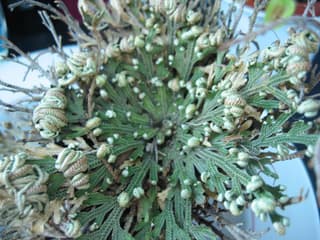
Selaginella lepidophylla
Fungus Gnats on Resurrection plant: What to Know?
Fungus Gnats on Resurrection plant (Selaginella lepidophylla) is a pest condition with moderate severity. Resurrection plant has low susceptibility to this disease. Fungus gnats are small, gray-to-black mosquito-like insects (1/8 to 1/10 inches long) commonly found in indoor plants. Adult gnats are mostly a nuisance, but their larvae feed on plant roots and organ...
Resurrection plant is a easy-care plant. Recovery from Fungus Gnats takes approximately 14 days with proper treatment. As an indoor plant, ensure good ventilation to aid recovery.
Unlike most plants, Resurrection plant has natural resistance to Fungus Gnats. Best treated with preventive measures rather than reactive treatment. Unlike fungal diseases, Fungus Gnats on Resurrection plant responds quickly to integrated pest management.
🔍 What Does Fungus Gnats Look Like on Resurrection plant?
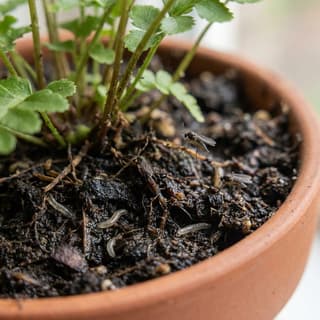
- • Small dark flying insects resembling mosquitoes hovering around plants
- • Translucent white larvae (5mm) with black heads visible in soil
- • Slime trails on soil surface in severe infestations
- • Yellowing leaves without obvious cause
- • Stunted or slow growth
- • Wilting despite adequate watering
- • Root damage visible when plant is unpotted
- • Seedlings or cuttings failing to thrive
❓ What Causes Fungus Gnats on Resurrection plant?
- → Overwatering creating persistently moist soil conditions
- → Organic-rich potting mixes that retain excessive moisture
- → Poor drainage in containers
- → Presence of decaying organic matter in soil
- → Bringing infested plants indoors
- → Using contaminated potting soil
- → High humidity combined with wet soil
- → Lack of air circulation around plants
💊 How to Treat Fungus Gnats on Resurrection plant?
TLDR: Treat Fungus Gnats on Resurrection plant with quick treatment (~7 days) or organic (~14 days). Resurrection plant has low susceptibility to this disease.
Quick Fixes
Step 1
Remove top 1-2 inches of infested soil and replace with fresh sterile potting mix
Step 2
Apply hydrogen peroxide solution (1 part 3% peroxide to 4 parts water) as soil drench
Step 3
Set up multiple yellow sticky traps around affected plants immediately
Step 4
Stop watering for 3-5 days to kill larvae and eggs
Step 5
Apply BTi mosquito dunk solution for immediate larvae control
Organic Treatment
Step 1
Allow soil to dry completely between waterings to disrupt larvae lifecycle
Step 2
Apply food-grade diatomaceous earth (1/4 inch layer) on soil surface
Step 3
Water plants with BTi (Bacillus thuringiensis israelensis) solution using mosquito dunks
Step 4
Sprinkle cinnamon powder on topsoil as natural fungicide
Step 5
Place yellow sticky traps near plants to capture adult gnats
Step 6
Introduce beneficial nematodes (Steinernema feltiae) to soil for larvae control
🛡️ How to Prevent Fungus Gnats on Resurrection plant?
TLDR: Prevent Fungus Gnats on Resurrection plant with 9 essential preventive care practices.
- ✓ Allow soil to dry to 1-2 inches depth between waterings
- ✓ Use well-draining potting mixes
- ✓ Ensure pots have adequate drainage holes
- ✓ Inspect new plants thoroughly before bringing them home
- ✓ Remove dead leaves and plant debris from soil surface
- ✓ Avoid overwatering, especially in winter months
- ✓ Cover soil surface with sand or gravel to deter egg-laying
- ✓ Quarantine new plants for 2-3 weeks before placing near others
- ✓ Improve air circulation around plants
🌱 How to Care for Resurrection plant to Prevent Fungus Gnats?
💧 How to Water
This remarkable plant tolerates extended periods of complete drought. Water when soil feels dry to the touch, allowing it to dry out completely between waterings. Most sources recommend occasional watering or even monthly intervals. If the plant curls into a ball, this is a natural dormancy response - not a sign of death. Simply revive it by placing in a shallow water dish where it will rehydrate within 4-24 hours and unfurl. For indoor cultivation, moderate watering maintenance is typically sufficient. This plant bounces back remarkably well from underwatering.
☀️ Lighting
Position in bright indirect or partially shaded location. Avoid direct, intense sunlight, especially during peak afternoon hours. East or north-facing windows are ideal. Tolerates lower light conditions and thrives indoors with moderate ambient light near a window with sheer curtains. The plant can adapt to various light intensities, making it versatile for different indoor spaces.
🪴 Ideal Soil
Use well-draining sandy soil that mimics the plant's natural desert habitat. Ideal mixture includes cactus/succulent soil, peat-free loam-based medium, sharp sand, fine grit, charcoal, and orchid bark. Soil pH should be between 6.5-7.5. The plant actually prefers nutrient-poor soils and stresses easily from excess fertilizer. Ensure adequate drainage holes in the pot to prevent waterlogging, which is the primary cause of root rot.
Frequently asked questions
Can Fungus Gnats kill my Resurrection plant?
How long does Resurrection plant take to recover from Fungus Gnats?
Is Fungus Gnats contagious to other plants near Resurrection plant?
Sources & References
- Fungus Gnats Management Guidelines--UC IPM
- Organic Fungus Gnat Control | ARBICO Organics
- How to Get Rid of Fungus Gnats Effectively (Complete Guide)
- How to Get Rid of Fungus Gnats
- Fungus Gnats - Plant & Pest Diagnostics
- RHS - Selaginella lepidophylla (Resurrection clubmoss)
- Gardening Know How - Spike Moss Care Guide
- Forward Plant - Flower of Stone (Selaginella lepidophylla) Care Guide
- Plantophiles - Resurrection Plant Care Guide
- Wikipedia - Selaginella lepidophylla
- Pepe Plantas - Guía de cuidados Doradilla/Siempreviva
- Sacred Plant Co - Resurrection Plant Care Guide