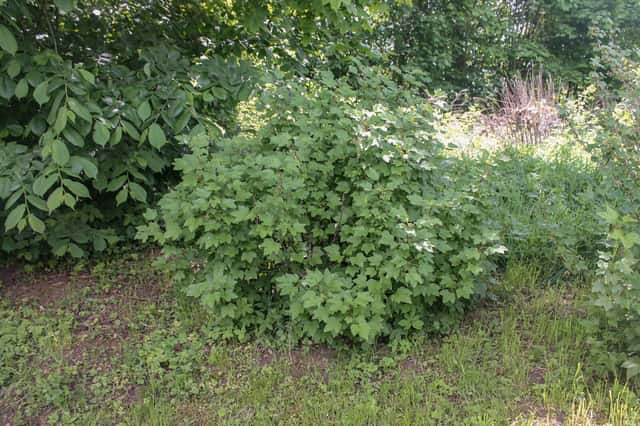
Grossulariaceae
Ribes (currants and gooseberries)
Ribes
Easy in temperate and cold climates: full sun or part shade (more sun, more fruit), rich, well-drained, consistently moist soil and a good mulch. Feed once a year (late fall or early spring) with compost or a potassium-rich fertiliser, avoiding excess nitrogen, which encourages mildew. Prune in winter while dormant, removing canes older than 3 years. Very cold-hardy (USDA zones 3 to 8) but they struggle in hot, dry summers.
Every 7 days
Bright indirect
° - °C
% - %
Categories
What is Ribes (genus)?
Ribes (genus) (Ribes) is a easy-care plant from the Grossulariaceae family. Ribes is the genus of currants and gooseberries: about 200 species of mostly deciduous shrubs, the only genus in the family Grossulariaceae, native to temperate regions of the Northern Hemisphere and the mountains of South America. It includes the best-known fruit bushes — blackcurrant (R. nigrum),...
Ribes (genus) grows up to 2.0m, spread of 150cm, watering every 7 days. It is not suitable for indoor environments and safe for pets.
Unlike many tropical plants, Ribes (genus) tolerates watering mistakes. Best for beginners. Unlike many popular species, Ribes (genus) is safe to keep around pets.
How to Care for Ribes (genus)?
TLDR: Ribes (genus) needs Bright indirect, watering every 7 days, and temperatures between 15-30°C with 40-70% humidity.
How Often Should You Water Ribes (genus)?
Keep soil moist but never soggy: water every 5 to 7 days in warm weather, at the base and in the morning, without wetting the leaves. Young plants need regular water for their first two years; in pots, check daily in hot spells. Drought yellows the leaves and raises mildew risk; heavy watering during ripening can split the fruit.
How Much Light Does Ribes (genus) Need?
Full sun to part shade, with at least 6 hours of sun; afternoon shade helps in hot summers. Avoid spots exposed to cold winds and late frosts, which damage the flowers.
What Is the Best Soil for Ribes (genus)?
Rich, well-drained but moisture-retentive loam, slightly acidic (pH 5.5 to 6.8). Avoid light sandy soils that get hot and dry and heavy waterlogged clay. Keep 8-10 cm of mulch over the roots.
What Pot Should You Use for Ribes (genus)?
For containers, a pot at least 45 cm wide and deep filled with a loam-based compost; plant out in the ground once cropping declines.
Care Schedule
Fertilize
Every 365 days
What Is Ribes (genus) and Where Does It Come From?
Ribes is the genus of currants and gooseberries: about 200 species of mostly deciduous shrubs, the only genus in the family Grossulariaceae, native to temperate regions of the Northern Hemisphere and the mountains of South America. It includes the best-known fruit bushes — blackcurrant (R. nigrum), red and white currant (R. rubrum) and the thorny European gooseberry (R. uva-crispa) — and ornamentals such as flowering currant (R. sanguineum), with pink spring racemes that hummingbirds pollinate in North America. Leaves are lobed, flowers small and borne in racemes, from greenish to yellow, pink or red, and fruits are many-seeded berries. They are cool-climate plants that need winter chill to crop well.
How to Propagate Ribes (genus)?
Hardwood cuttings
This is the standard method for currants. Only take cuttings from young, virus-free plants.
- 1 In autumn or winter, cut 20 cm lengths of one-year-old wood from young, healthy plants
- 2 Insert directly in the ground or in pots, leaving only 2-3 buds above the soil
- 3 Keep the soil moist through winter
- 4 Transplant the following autumn
Materials needed:
Layering
Works better than cuttings for gooseberries.
- 1 Bend a low branch down to the ground
- 2 Pin it and cover a section with soil, leaving the tip exposed
- 3 Keep moist
- 4 Sever from the parent once rooted, in autumn or winter
Materials needed:
How Big Does Ribes (genus) Grow?
TLDR: Ribes (genus) can reach up to 2.0m tall with Medium growth rate.
Max height
2.0m
Spread
1.5m
Growth rate
Medium
Foliage
Deciduous
Plant Uses
Edible
Can be consumed
Ornamental
Great for decoration
Culinary Uses
- Fresh fruit
- Jams and jellies
- Juices and cordials
- Liqueurs and wines
- Pies and desserts
Is your plant showing symptoms?
Click on the symptom to discover possible causes:
What Diseases Commonly Affect Ribes (genus)?
TLDR: Ribes (genus) is susceptible to 9 known diseases. Monitor regularly for early detection.
Powdery Mildew
Powdery mildew is a common fungal disease caused by various fungi species including Erysiphe, Podosphaera, Oïdium, and Leveillula. It affects over 10,000 plant species worldwide. The disease thrives in warm, dry climates with high humidity and appears as a distinctive white powdery coating on plant surfaces.
Rust
Rust is a common fungal disease caused by fungi in the order Pucciniales that affects a wide variety of plants. The disease gets its name from the characteristic orange, yellow, or reddish-brown pustules that appear on leaves, resembling metal rust. This obligate fungal parasite requires living plants to survive and can cause significant economic losses in agricultural crops.
Leaf Spot
Leaf spot is a common fungal disease caused by various pathogens including Alternaria, Ascochyta, Colletotrichum, Septoria, and Venturia. It primarily affects leaves, causing discolored spots that can lead to premature leaf drop if left untreated.
Anthracnose
Anthracnose is a fungal disease caused by fungi in the genus Colletotrichum that affects many plants, including vegetables, fruits, and trees. The disease thrives in cool, wet conditions, causing dark, sunken lesions on leaves, stems, flowers, and fruits.
Fun Facts
Ribes is the only genus in its family, Grossulariaceae
Flowering currant is pollinated by hummingbirds in western North America
The dried "currants" used in baking are Zante grapes, not Ribes
Frequently asked questions
When should I prune currants and gooseberries?
Why are my currant leaves covered in white powder?
Is it legal to grow currants everywhere?
Are currants toxic to pets?
Compare with similar plants
| Attribute | Difficulty | Light | Watering | Pet Safe |
|---|---|---|---|---|
| Field Maple | Easy | Bright indirect | 14d | ✓ |
| Iberian Houseleek | Easy | Direct sun | 14d | ✓ |
| Silver Birch | Easy | Direct sun | 14d | ✓ |
| Common Blanketflower | Easy | Direct sun | 10d | ✓ |
Choose & Compare
Sources & References
- University of Minnesota Extension — Growing currants and gooseberries in the home garden
- Wikipedia — Ribes
- RHS — How to grow blackcurrants
- Montana State University Extension — Currants and gooseberries (MT199214AG)
- Botanix — Growing, planting and pruning currants and gooseberries
- University of Idaho Extension — Growing currants, gooseberries and jostaberries (BUL 855)





