Asparagaceae
Rock Lily: Edible Plant
Arthropodium cirratum
Rock lily is an easy-care, largely pest- and disease-resistant perennial suited to full sun or partial shade. Plant it in free-draining, organically rich soil and water regularly while it establishes, then only during dry spells once mature. Feed monthly with a liquid fertiliser through spring and summer, remove spent flower stalks, tidy brown leaves, and watch for slugs and snails, its main enemy.
Every 9 days
Bright indirect
-3° - °C
% - %
Categories
What is Rock Lily?
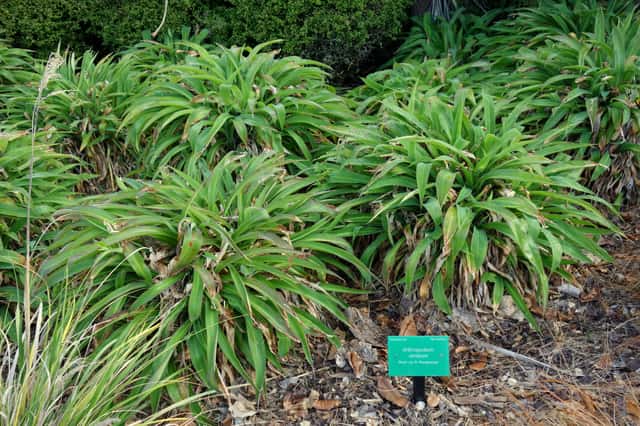
Rock Lily (Arthropodium cirratum) is a easy-care plant from the Asparagaceae family. Arthropodium cirratum, commonly known as rock lily or rengarenga, is an evergreen rhizomatous perennial endemic to New Zealand's coastal cliffs and rocky headlands. It forms clumps of glossy, strap-like leaves topped in early summer by branching stalks of small white, six-petalled flowers with purpl...
Rock Lily grows up to 1.0m, spread of 50cm, watering every 9 days. It is not suitable for indoor environments and safe for pets.
Unlike many tropical plants, Rock Lily tolerates watering mistakes. Best for beginners. Unlike many popular species, Rock Lily is safe to keep around pets.
How to Care for Rock Lily?
TLDR: Rock Lily needs Bright indirect, watering every 9 days, and temperatures between -3-30°C with 40-70% humidity.
How Often Should You Water Rock Lily?
Water deeply but infrequently, letting the top layer of soil dry out between waterings, roughly every 7-10 days. Reduce watering in winter and avoid soggy soil, since rock lily is prone to root rot if overwatered.
How Much Light Does Rock Lily Need?
Give rock lily full sun for the best flowering, though it also tolerates partial shade, especially in hot inland climates or as underplanting beneath trees and shrubs.
What Is the Best Soil for Rock Lily?
Plant in free-draining, organically rich sandy or loamy soil with a neutral to mildly acidic pH. Improve heavy garden soil with compost, and use a container mix with good drainage if grown in pots.
What Pot Should You Use for Rock Lily?
Choose a wide, shallow terracotta or unglazed ceramic pot with generous drainage holes; rock lily's fleshy rhizomes spread horizontally and need excellent drainage to avoid rot.
Care Schedule
Fertilize
Every 30 days
Repot
Every 365 days
What Is Rock Lily and Where Does It Come From?
Arthropodium cirratum, commonly known as rock lily or rengarenga, is an evergreen rhizomatous perennial endemic to New Zealand's coastal cliffs and rocky headlands. It forms clumps of glossy, strap-like leaves topped in early summer by branching stalks of small white, six-petalled flowers with purple-and-yellow stamens. Traditionally an important food and medicine plant for Maori, its fleshy rhizomes were cooked and eaten, and its leaves and roots were used to treat wounds and skin ailments. Today it is a popular, low-maintenance ornamental for coastal and shaded gardens worldwide.
How to Propagate Rock Lily?
Division
Divide every few years to keep clumps vigorous and to control spread; discard old, woody centre sections.
- 1 Lift an established clump in spring after the risk of frost has passed
- 2 Separate the rhizomes by hand or with a clean knife, keeping several leaf fans and roots per division
- 3 Replant divisions immediately at the same depth in free-draining, compost-enriched soil
- 4 Water well until new growth appears
Materials needed:
Seed
Seed-grown plants take two to three years to flower, so division is faster for garden-ready plants.
- 1 Sow fresh seed in trays in a cold greenhouse or sheltered spot in late winter
- 2 Keep the seed compost moist but not waterlogged
- 3 Prick out seedlings once large enough to handle
- 4 Grow on and protect young plants through their first winter before planting out
Materials needed:
How Big Does Rock Lily Grow?
TLDR: Rock Lily can reach up to 1.0m tall with Medium growth rate.
Max height
1.0m
Spread
50cm
Growth rate
Medium
Foliage
Evergreen
Plant Uses
Ornamental
Great for decoration
Edible
Can be consumed
Medicinal
Medicinal properties
Medicinal Uses
- Roasted, pulped root applied warm as a poultice to draw out abscesses and boils
- Pounded leaf paste used topically on wounds and sores
- Leaf-tip gel applied directly to skin ailments as an astringent
Culinary Uses
- Fleshy rhizomes cooked, traditionally in a hangi earth oven, and eaten as a starchy vegetable
- Historically ranked among the more important wild vegetable foods gathered by Maori
Is your plant showing symptoms?
Click on the symptom to discover possible causes:
What Diseases Commonly Affect Rock Lily?
TLDR: Rock Lily is susceptible to 3 known diseases. Monitor regularly for early detection.
Bacterial Leaf Spot
Bacterial leaf spot is a plant disease caused by bacteria in the Xanthomonas and Pseudomonas genera that affects various ornamental and edible plants. The bacteria infect leaves through wounds or natural openings, causing characteristic lesions that can lead to premature leaf drop and plant weakening.
Slugs and Snails
Slugs and snails are mollusks that feed on plant tissue, causing irregular holes in leaves and damage to young seedlings. They are most active at night and in moist conditions, leaving characteristic silvery slime trails. These pests can quickly devastate gardens, especially during wet seasons.
Root Rot
Root rot is a serious fungal disease that affects the root system of plants, causing them to decay and die. It is primarily caused by overwatering, poor drainage, or soil-borne fungi such as Pythium, Phytophthora, Rhizoctonia, and Fusarium. The disease thrives in waterlogged conditions where roots are deprived of oxygen, making them susceptible to fungal infection.
Meaning & Symbolism
In Maori tradition rengarenga symbolises simple beauty, home, and sustenance: its cooked rhizomes fed and sheltered communities, its flower form appears in kowhaiwhai carving and painting patterns linked to whakapapa (genealogy), and it was invoked by King Tawhiao as an emblem of a well-provided household.
Compare with similar plants
| Attribute | Difficulty | Light | Watering | Pet Safe |
|---|---|---|---|---|
| Field Maple | Easy | Bright indirect | 14d | ✓ |
| Silver Birch | Easy | Direct sun | 14d | ✓ |
| Common Blanketflower | Easy | Direct sun | 10d | ✓ |
| Cushion Bush | Easy | Direct sun | 14d | ✓ |





