Rosaceae
Rowan (Sorbus): growing guide
Sorbus
Plant in a cool spot with sun or part shade and moist, well-drained soil. In warm climates these trees struggle and are more prone to pests and disease.
Every 7 days
Bright indirect
° - °C
% - %
Categories
What is Rowan?
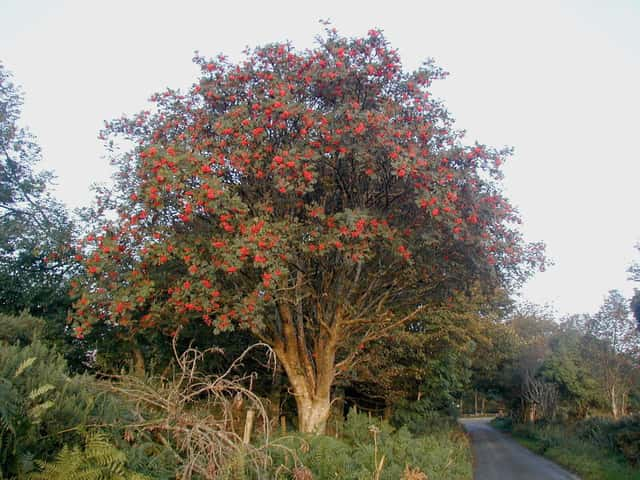
Rowan (Sorbus) is a easy-care plant from the Rosaceae family. Sorbus is a genus of over 100 species of trees and shrubs in the rose family, ranging from 1 to 30 m tall. They come from the cool-temperate Northern Hemisphere and have compound leaves, flat clusters of white spring flowers and red or orange fruit that birds love. Despite the name mountain-ash, the...
Rowan grows up to 30.0m, watering every 7 days. It is not suitable for indoor environments and safe for pets.
Unlike many tropical plants, Rowan tolerates watering mistakes. Best for beginners. Unlike many popular species, Rowan is safe to keep around pets.
How to Care for Rowan?
TLDR: Rowan needs Bright indirect, watering every 7 days, and temperatures between 15-30°C with 40-70% humidity.
How Often Should You Water Rowan?
Water a young tree about once a week through its first summer. Once established it only needs water in long dry spells. Keep the soil moist, not waterlogged.
How Much Light Does Rowan Need?
Full sun or part shade. Flowers and fruit are best with plenty of light.
What Is the Best Soil for Rowan?
Moderately fertile, humus-rich, moist and well-drained soil, ideally slightly acidic.
What Pot Should You Use for Rowan?
A large, deep pot with good drainage suits a young tree only. Mature trees belong in the ground.
What Is Rowan and Where Does It Come From?
Sorbus is a genus of over 100 species of trees and shrubs in the rose family, ranging from 1 to 30 m tall. They come from the cool-temperate Northern Hemisphere and have compound leaves, flat clusters of white spring flowers and red or orange fruit that birds love. Despite the name mountain-ash, they are not related to true ash trees.
How to Propagate Rowan?
Seed
Use only fully ripe fruit from a healthy plant.
- 1 Collect fully ripe fruit
- 2 Separate the seeds from the pulp
- 3 Sow in a sheltered spot outdoors
- 4 Wait for germination in spring
Materials needed:
Softwood cutting
Use clean, sharp tools.
- 1 Cut a soft new shoot
- 2 Remove the lower leaves
- 3 Insert into moist compost
- 4 Keep sheltered until rooted
Materials needed:
Grafting
This is how cultivars keep the traits of the parent plant.
- 1 Choose a rootstock from the genus
- 2 Prepare a shoot of the plant you want
- 3 Join the two and tie them
- 4 Protect until the graft takes
Materials needed:
How Big Does Rowan Grow?
TLDR: Rowan can reach up to 30.0m tall with Medium growth rate.
Max height
30.0m
Foliage
Deciduous
Warning: Toxic Plant
This plant can be toxic if ingested. Keep out of reach of:
Plant Uses
Ornamental
Great for decoration
Edible
Can be consumed
Culinary Uses
- Jelly and jam from cooked fruit, often with apple or pear
Is your plant showing symptoms?
Click on the symptom to discover possible causes:
What Diseases Commonly Affect Rowan?
TLDR: Rowan is susceptible to 8 known diseases. Monitor regularly for early detection.
Fire Blight
Fire blight is a highly destructive and contagious bacterial disease caused by Erwinia amylovora. It primarily affects plants in the Rosaceae family, including apple, pear, quince trees, and various ornamental plants. The disease can destroy an entire orchard in a single growing season under ideal conditions, with the bacterium moving approximately 11 inches per week in new growth.
Apple scab
Apple scab is a serious fungal disease caused by Venturia inaequalis. It creates dark, olive-green to black spots on leaves and fruit. If left untreated, it can cause leaves to fall off early and make the fruit cracked or deformed. The fungus survives winter in fallen leaves and spreads through rain and wind during wet spring weather.
Rust
Rust is a common fungal disease caused by fungi in the order Pucciniales that affects a wide variety of plants. The disease gets its name from the characteristic orange, yellow, or reddish-brown pustules that appear on leaves, resembling metal rust. This obligate fungal parasite requires living plants to survive and can cause significant economic losses in agricultural crops.
Canker
Canker is a disease caused by various fungi and bacteria that create necrotic, sunken areas on bark of branches, stems, and trunks. Pathogens enter through wounds and natural openings, especially when plants are stressed. Canker can gradually weaken or kill branches by disrupting water and nutrient flow.
Meaning & Symbolism
In the folklore of the British Isles, the tree protects against witchcraft and enchantment.
Fun Facts
Most species once called Sorbus with simple leaves now sit in other genera
Despite the name mountain-ash, it is not related to true ash trees
The name rowan comes from the Old Norse raun
Frequently asked questions
Are rowan berries poisonous?
Will rowan grow in a warm climate?
What diseases affect rowan?
Compare with similar plants
| Attribute | Difficulty | Light | Watering | Pet Safe |
|---|---|---|---|---|
| Field Maple | Easy | Bright indirect | 14d | ✓ |
| Iberian Houseleek | Easy | Direct sun | 14d | ✓ |
| Silver Birch | Easy | Direct sun | 14d | ✓ |
| Common Blanketflower | Easy | Direct sun | 10d | ✓ |





