Nelumbonaceae
Sacred Lotus: Edible Plant
Nelumbo nucifera
Requires full sun (6 to 8 hours of direct light), stagnant and nutrient-rich water at 72-80°F, and heavy clay soil in a pond at least 12-16 inches deep. A demanding plant but rarely prone to diseases if water and light are sufficient.
Every 1 days
Direct sun
22° - 35°C
60% - 90%
Categories
What is Sacred Lotus?
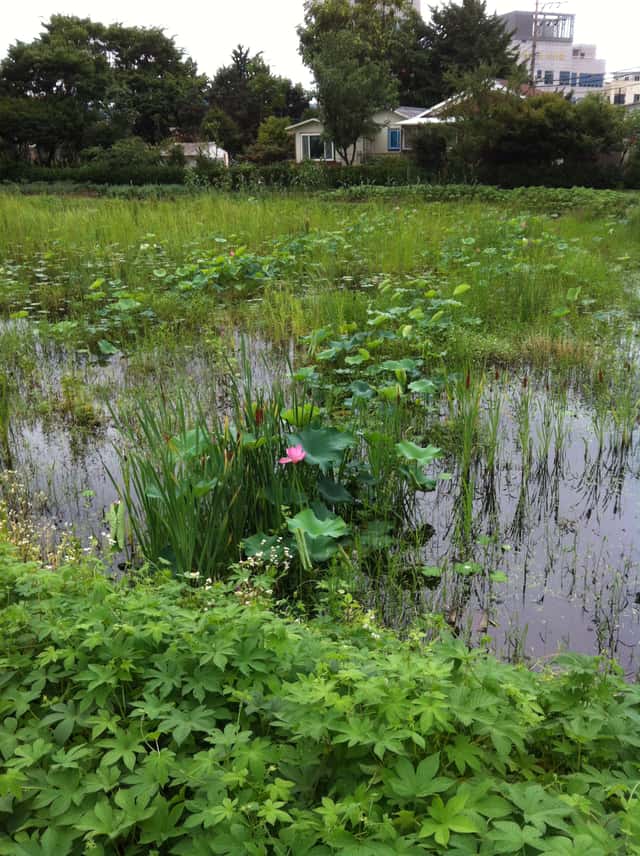
Sacred Lotus (Nelumbo nucifera) is a hard-care plant from the Nelumbonaceae family. The Sacred Lotus is an iconic perennial aquatic plant native to Asia, cultivated in ponds for its large, fragrant flowers (8 to 12 inches in diameter) held above broad, water-repellent round leaves. Hardy up to USDA zone 4 as long as the rhizomes do not freeze underwater, it enters winter dormancy (...
Sacred Lotus grows up to 2.0m, spread of 300cm, watering every 1 days, 22°C – 35°C, 60–90% humidity. It is not suitable for indoor environments and safe for pets.
Unlike easy-care plants, Sacred Lotus demands constant attention to humidity and light. Not recommended for beginners. Unlike many popular species, Sacred Lotus is safe to keep around pets.
How to Care for Sacred Lotus?
TLDR: Sacred Lotus needs Direct sun, watering every 1 days, and temperatures between 22-35°C with 60-90% humidity.
How Often Should You Water Sacred Lotus?
Maintain a constant 4 to 8 inches of water above the soil; never let the rhizome dry out, even briefly, as this may compromise flowering.
How Much Light Does Sacred Lotus Need?
Full sun exposure is essential: at least 6 hours of direct light per day, otherwise the plant will not bloom.
What Is the Best Soil for Sacred Lotus?
Use heavy clay or pond loam (pH 6.5-7.5), never light potting soil which would float to the surface.
What Pot Should You Use for Sacred Lotus?
Large pond or watertight container without drainage holes, minimum depth of 12 to 16 inches and a wide diameter to allow rhizomes to spread freely.
Care Schedule
Fertilize
Every 30 days
Repot
Every 730 days
What Is Sacred Lotus and Where Does It Come From?
The Sacred Lotus is an iconic perennial aquatic plant native to Asia, cultivated in ponds for its large, fragrant flowers (8 to 12 inches in diameter) held above broad, water-repellent round leaves. Hardy up to USDA zone 4 as long as the rhizomes do not freeze underwater, it enters winter dormancy (deciduous foliage) before regrowing vigorously in the spring. Sacred in Buddhism and Hinduism, it symbolizes the ability to bloom pure despite a muddy environment.
How to Propagate Sacred Lotus?
Rhizome Division
- Handle the growing tips with extreme caution: they are very fragile and brittle.
- Maintain warm water (72-80°F) to stimulate the break from dormancy.
- 1 Extraction
Gently lift the rhizome from the mud in early spring, before growth resumes.
- 2 Sectioning
Cut a section of rhizome containing at least two or three intact growth nodes, without crushing the tips.
- 3 Planting
Place the rhizome horizontally in a clay pond, bud facing up, then cover with 4-8 inches of water at 72-80°F.
Materials needed:
Seed Sowing
- Seeds that float are generally sterile or empty.
- Water at 77-86°F significantly accelerates germination.
- 1 Scarification
Gently file the hard seed coat until the internal white tissue is visible, without damaging the embryo.
- 2 Soaking
Place the seeds in a glass of warm dechlorinated water (77-86°F), changing the water daily.
- 3 Potting
Once the shoot reaches 4 inches, plant it in a clay substrate under a few inches of water in full sun.
Materials needed:
How Big Does Sacred Lotus Grow?
TLDR: Sacred Lotus can reach up to 2.0m tall with Fast growth rate.
Max height
2.0m
Spread
3.0m
Growth rate
Fast
Foliage
Deciduous
Plant Uses
Ornamental
Great for decoration
Edible
Can be consumed
Medicinal
Medicinal properties
Medicinal Uses
- Astringent properties
- Traditional use against fever
- Seeds and embryo used to soothe anxiety
- Digestive health support
Culinary Uses
- Fried or boiled rhizomes
- Roasted seeds or used in desserts
- Young leaves and shoots in salads
- Petals and stamens in infusions
Is your plant showing symptoms?
Click on the symptom to discover possible causes:
What Diseases Commonly Affect Sacred Lotus?
TLDR: Sacred Lotus is susceptible to 8 known diseases. Monitor regularly for early detection.
Aphids
Aphids are small, soft-bodied, pear-shaped insects (1/16 to 1/8 inch long) that feed by sucking nutrient-rich sap from plants. They reproduce rapidly and can quickly weaken plants, causing distorted growth and transmitting plant viruses. Aphids come in various colors including green, black, red, yellow, brown, and gray. They secrete honeydew, a sticky substance that attracts ants and encourages sooty mold growth.
Root Rot
Root rot is a serious fungal disease that affects the root system of plants, causing them to decay and die. It is primarily caused by overwatering, poor drainage, or soil-borne fungi such as Pythium, Phytophthora, Rhizoctonia, and Fusarium. The disease thrives in waterlogged conditions where roots are deprived of oxygen, making them susceptible to fungal infection.
Leaf Spot
Leaf spot is a common fungal disease caused by various pathogens including Alternaria, Ascochyta, Colletotrichum, Septoria, and Venturia. It primarily affects leaves, causing discolored spots that can lead to premature leaf drop if left untreated.
Bacterial Blight
Bacterial blight is a serious plant disease caused by pathogenic bacteria that enters plants through wounds or natural openings. It spreads rapidly in warm, wet conditions and can cause significant damage to leaves, stems, and flowers. The bacteria are transmitted by water splash, contaminated tools, and insects.
Meaning & Symbolism
Symbol of purity, spiritual awakening, and rebirth in Buddhism and Hinduism; associated with the deities Vishnu, Lakshmi, and Brahma. Represents the soul's ability to rise intact and immaculate above the mud and suffering.
Compare with similar plants
| Attribute | Difficulty | Light | Watering | Pet Safe |
|---|---|---|---|---|
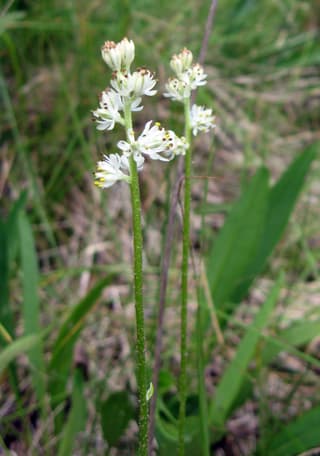
| Sticky false asphodel | Hard | Bright indirect | 1d | ✓ |
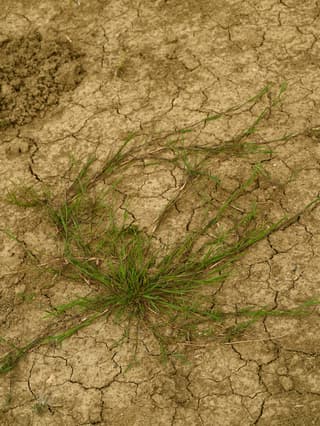
| Creeping bentgrass | Hard | Direct sun | 3d | ✓ |
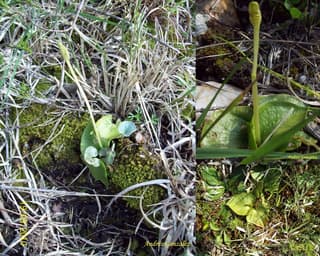
| Bulbous Adder's-tongue | Hard | Partial shade | 4d | ✓ |
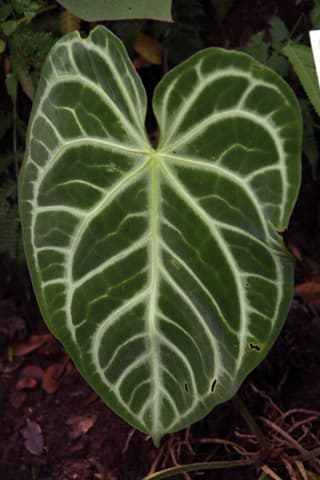
| Crystal Anthurium | Hard | Partial shade | 7d | ⚠️ |
Choose & Compare
Sources & References
- Nelumbo nucifera - NC State Extension Plant Toolbox
- Nelumbo nucifera - Missouri Botanical Garden Plant Finder
- Sacred Lotus - USGS Nonindigenous Aquatic Species Database
- Lotus Care Sheet - International Waterlily & Water Gardening Society
- Nelumbo nucifera - ScienceDirect Topics (diseases/pests overview)
- Fleur de lotus : histoire et symbolique - Gerbeaud
- Le lotus, plante sacrée du bouddhisme - Plantes & Santé