Asparagaceae
How to Grow and Care for Siebold's Hosta
Hosta sieboldiana
A low-maintenance shade perennial. Water weekly, feed in spring, and divide every few years. Protect from slugs and avoid direct sun to prevent leaf scorch.
Every 7 days
Low light
-30° - 35°C
50% - 70%
Categories
What is Siebold's Hosta?
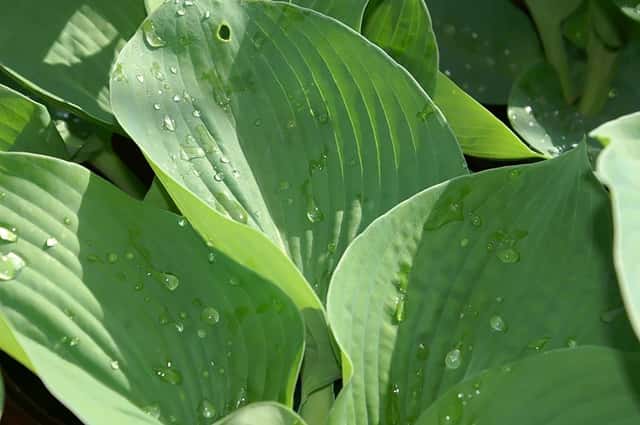
Siebold's Hosta (Hosta sieboldiana) is a easy-care plant from the Asparagaceae family. Hosta sieboldiana is a large, bold shade perennial native to Japan, prized for its massive blue-gray leaves that can reach 14 inches long. It forms a dramatic domed mound up to 2 feet tall and 5 feet wide, making it one of the most impressive groundcover plants for shaded gardens.
Siebold's Hosta grows up to 61cm, spread of 152cm, watering every 7 days, -30°C – 35°C, 50–70% humidity. It is not suitable for indoor environments and not safe for pets.
Unlike many tropical plants, Siebold's Hosta tolerates watering mistakes. Best for beginners. Without precautions, ingestion can cause irritation in pets. Keep out of reach of cats and dogs.
How to Care for Siebold's Hosta?
TLDR: Siebold's Hosta needs Low light, watering every 7 days, and temperatures between -30-35°C with 50-70% humidity.
How Often Should You Water Siebold's Hosta?
Water deeply once a week during the growing season. Reduce watering in autumn and stop in winter. Allow the top inch of soil to dry between waterings to prevent root rot.
How Much Light Does Siebold's Hosta Need?
Grow in partial to full shade. Morning sun is tolerated but afternoon sun causes leaf scorch. Dappled shade under trees is ideal.
What Is the Best Soil for Siebold's Hosta?
Plant in moist, well-drained soil rich in organic matter. Amend clay soils with compost. Prefers slightly acidic to neutral pH (6.0–7.5).
What Pot Should You Use for Siebold's Hosta?
Large ceramic or terracotta pot with good drainage; avoid small pots as hostas spread wide
Care Schedule
Fertilize
Every 90 days
Repot
Every 730 days
What Is Siebold's Hosta and Where Does It Come From?
Hosta sieboldiana is a large, bold shade perennial native to Japan, prized for its massive blue-gray leaves that can reach 14 inches long. It forms a dramatic domed mound up to 2 feet tall and 5 feet wide, making it one of the most impressive groundcover plants for shaded gardens.
How to Propagate Siebold's Hosta?
Crown Division
Divide every 3-5 years to maintain vigor and control size. Water divisions daily for the first two weeks.
- 1 Dig up the entire clump in early spring before new growth emerges
- 2 Use a sharp spade or knife to divide the clump into sections, each with at least 2-3 buds
- 3 Replant divisions at the same depth, water thoroughly and keep moist
Materials needed:
Seed Propagation
Seeds are slow and may not replicate cultivar traits. Division is preferred.
- 1 Sow seeds indoors in late winter in moist, well-draining seed compost
- 2 Keep at 18-21°C and maintain consistent moisture
- 3 Transplant seedlings outdoors after last frost when large enough to handle
Materials needed:
How Big Does Siebold's Hosta Grow?
TLDR: Siebold's Hosta can reach up to 61cm tall with Slow growth rate.
Max height
61cm
Spread
1.5m
Growth rate
Slow
Foliage
Deciduous
Warning: Toxic Plant
This plant can be toxic if ingested. Keep out of reach of:
Plant Uses
Ornamental
Great for decoration
Ground Cover
Soil coverage
Is your plant showing symptoms?
Click on the symptom to discover possible causes:
What Diseases Commonly Affect Siebold's Hosta?
TLDR: Siebold's Hosta is susceptible to 9 known diseases. Monitor regularly for early detection.
Slugs and Snails
Slugs and snails are mollusks that feed on plant tissue, causing irregular holes in leaves and damage to young seedlings. They are most active at night and in moist conditions, leaving characteristic silvery slime trails. These pests can quickly devastate gardens, especially during wet seasons.
Root Rot
Root rot is a serious fungal disease that affects the root system of plants, causing them to decay and die. It is primarily caused by overwatering, poor drainage, or soil-borne fungi such as Pythium, Phytophthora, Rhizoctonia, and Fusarium. The disease thrives in waterlogged conditions where roots are deprived of oxygen, making them susceptible to fungal infection.
Crown Rot
Crown rot is a serious fungal disease that attacks the crown (base) of the plant where the stem meets the soil. It is caused by various fungal pathogens including Phytophthora, Fusarium, and Rhizoctonia. The disease thrives in waterlogged conditions and can quickly spread to kill the entire plant if not addressed promptly.
Anthracnose
Anthracnose is a fungal disease caused by fungi in the genus Colletotrichum that affects many plants, including vegetables, fruits, and trees. The disease thrives in cool, wet conditions, causing dark, sunken lesions on leaves, stems, flowers, and fruits.
Meaning & Symbolism
Symbolizes patience and resilience — a plant that thrives beautifully in the shadows.
Fun Facts
It is named after Philipp Franz von Siebold, a German physician who introduced many Japanese plants to Europe in the 19th century
The blue-gray leaf color comes from a waxy coating called epicuticular wax, which also helps repel water
A single mature clump can spread to 5 feet wide and live for decades with minimal care
Hostas were originally classified in the lily family (Liliaceae) but are now placed in Asparagaceae
Frequently asked questions
How often should I water Hosta sieboldiana?
Can Hosta sieboldiana grow in full sun?
Is Hosta sieboldiana toxic to pets?
How do I protect my Hosta from slugs?
When should I divide Hosta sieboldiana?
Compare with similar plants
| Attribute | Difficulty | Light | Watering | Pet Safe |
|---|---|---|---|---|
| Field Maple | Easy | Bright indirect | 14d | ✓ |
| Silver Birch | Easy | Direct sun | 14d | ✓ |
| Common Blanketflower | Easy | Direct sun | 10d | ✓ |
| Cushion Bush | Easy | Direct sun | 14d | ✓ |





