Urticaceae
Slender Stinging Nettle – Native Medicinal & Edible Plant
Urtica gracilis
Slender stinging nettle is a vigorous, low-maintenance outdoor plant. It thrives in moist, organically rich soil in full sun to partial shade. Water regularly during the growing season and reduce in winter. Due to its spreading rhizomes, grow in sunken containers or clearly delimited garden beds to prevent invasive spreading.
Every 9 days
Bright indirect
-30° - 35°C
40% - 70%
Categories
What is Slender Stinging Nettle?
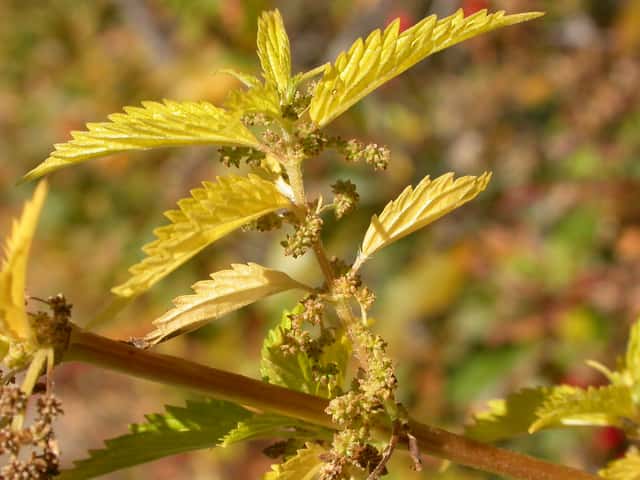
Slender Stinging Nettle (Urtica gracilis) is a easy-care plant from the Urticaceae family. Urtica gracilis, the slender stinging nettle or American stinging nettle, is a perennial herbaceous plant native to North America, ranging from Guatemala to Canada. It can grow up to 3 meters tall and features deeply serrated leaves covered with stinging trichomes that cause intense skin irritation...
Slender Stinging Nettle grows up to 3.0m, spread of 90cm, watering every 9 days, -30°C – 35°C, 40–70% humidity. It is not suitable for indoor environments and not safe for pets.
Unlike many tropical plants, Slender Stinging Nettle tolerates watering mistakes. Best for beginners. Without precautions, ingestion can cause irritation in pets. Keep out of reach of cats and dogs.
How to Care for Slender Stinging Nettle?
TLDR: Slender Stinging Nettle needs Bright indirect, watering every 9 days, and temperatures between -30-35°C with 40-70% humidity.
How Often Should You Water Slender Stinging Nettle?
Water every 9 days, allowing the topsoil to dry slightly between waterings. Avoid waterlogging, as overwatering quickly leads to root rot. Use chlorine-free water when possible. Young plants need more consistent moisture until established.
How Much Light Does Slender Stinging Nettle Need?
Prefers full sun to partial shade, requiring at least 6 hours of direct sunlight per day for optimal growth. It tolerates partial shade, especially in warmer climates, but growth may be less vigorous. Avoid deep shade.
What Is the Best Soil for Slender Stinging Nettle?
Thrives in loamy, well-draining soil rich in organic matter, with pH between 6.0 and 7.0. Amend with compost or well-rotted manure for best results. Its presence is a natural bioindicator of nitrogen-rich soil.
What Pot Should You Use for Slender Stinging Nettle?
Wide, deep containers with drainage holes; terracotta or stone pots help limit invasive spread in garden settings.
Care Schedule
Fertilize
Every 14 days
Misting
Every 3 days
Rotate
Every 7 days
Repot
Every 365 days
What Is Slender Stinging Nettle and Where Does It Come From?
Urtica gracilis, the slender stinging nettle or American stinging nettle, is a perennial herbaceous plant native to North America, ranging from Guatemala to Canada. It can grow up to 3 meters tall and features deeply serrated leaves covered with stinging trichomes that cause intense skin irritation upon contact. Despite its fearsome reputation, it is highly valued in traditional medicine, cooking, and Indigenous textile crafts. It thrives naturally in forested floodplains, streambanks, and nitrogen-rich disturbed soils.
How Big Does Slender Stinging Nettle Grow?
TLDR: Slender Stinging Nettle can reach up to 3.0m tall with Fast growth rate.
Max height
3.0m
Spread
90cm
Growth rate
Fast
Foliage
Deciduous
Warning: Toxic Plant
This plant can be toxic if ingested. Keep out of reach of:
Plant Uses
Medicinal
Medicinal properties
Edible
Can be consumed
Medicinal Uses
- Leaf infusion used for arthritis, seasonal allergies, and kidney support
- Anti-inflammatory and diuretic properties
- High iron content: used for anemia and postpartum recovery
- Natural antihistamine activity documented in clinical studies
Culinary Uses
- Young cooked leaves used as a spinach substitute
- Added to soups, risottos, pasta, and pesto
- Nettle tea rich in vitamins A, C, K, iron, calcium, and magnesium
Is your plant showing symptoms?
Click on the symptom to discover possible causes:
What Diseases Commonly Affect Slender Stinging Nettle?
TLDR: Slender Stinging Nettle is susceptible to 8 known diseases. Monitor regularly for early detection.
Aphids
Aphids are small, soft-bodied, pear-shaped insects (1/16 to 1/8 inch long) that feed by sucking nutrient-rich sap from plants. They reproduce rapidly and can quickly weaken plants, causing distorted growth and transmitting plant viruses. Aphids come in various colors including green, black, red, yellow, brown, and gray. They secrete honeydew, a sticky substance that attracts ants and encourages sooty mold growth.
Powdery Mildew
Powdery mildew is a common fungal disease caused by various fungi species including Erysiphe, Podosphaera, Oïdium, and Leveillula. It affects over 10,000 plant species worldwide. The disease thrives in warm, dry climates with high humidity and appears as a distinctive white powdery coating on plant surfaces.
Root Rot
Root rot is a serious fungal disease that affects the root system of plants, causing them to decay and die. It is primarily caused by overwatering, poor drainage, or soil-borne fungi such as Pythium, Phytophthora, Rhizoctonia, and Fusarium. The disease thrives in waterlogged conditions where roots are deprived of oxygen, making them susceptible to fungal infection.
Overwatering
Overwatering occurs when plants receive too much water, depriving roots of oxygen and causing root rot. This environmental stress is one of the most common causes of houseplant death, as waterlogged soil prevents roots from breathing and functioning properly.
Meaning & Symbolism
In many Indigenous North American traditions, nettles symbolize resilience, protection, and respect for the wild. The sting is regarded as nature's boundary marker — a reminder that powerful plants demand mindful handling.
Fun Facts
Coast Salish peoples traditionally used nettle fibers to make rope, fishing nets, and clothing.
The stinging is caused by formic acid and histamine in hollow trichomes that act like tiny hypodermic needles.
After boiling or steaming, all stinging properties disappear and the leaves taste similar to spinach.
Nettles are a bioindicator plant — their presence signals nitrogen-rich, organically fertile soil.
WWI soldiers wore uniforms partially made from nettle fiber when cotton was scarce.
Compare with similar plants
| Attribute | Difficulty | Light | Watering | Pet Safe |
|---|---|---|---|---|
| Field Maple | Easy | Bright indirect | 14d | ✓ |
| Silver Birch | Easy | Direct sun | 14d | ✓ |
| Common Blanketflower | Easy | Direct sun | 10d | ✓ |
| Cushion Bush | Easy | Direct sun | 14d | ✓ |





