Orchidaceae
Phragmipedium Care Guide
Phragmipedium
Keep the mix constantly moist (never bone-dry) in a fine bark-perlite blend, provide bright indirect light with no direct midday sun, maintain 50-70% humidity, and fertilize lightly and regularly. Good drainage and airflow around the roots are essential to prevent rot despite the plant's love of water.
Every 3 days
Partial shade
13° - 29°C
50% - 70%
Categories
What is South American Slipper Orchid?
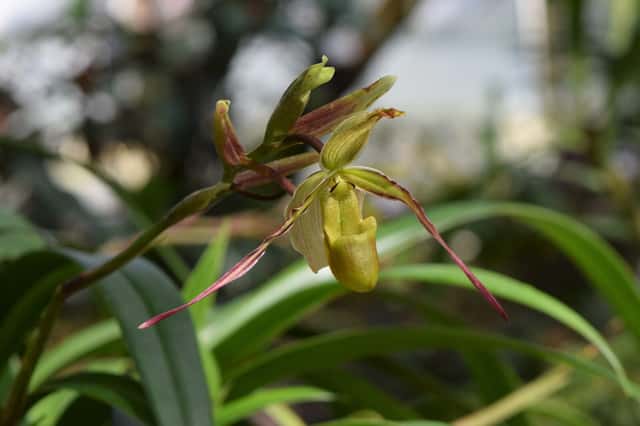
South American Slipper Orchid (Phragmipedium) is a hard-care plant from the Orchidaceae family. Phragmipedium is a genus of roughly 20 species of sympodial slipper orchids native to the cloud forests and wetlands of Central and South America, from Mexico south to Peru and Brazil. Unlike their cousins Paphiopedilum, many Phragmipediums grow naturally with their roots submerged in seepage water...
South American Slipper Orchid grows up to 80cm, spread of 40cm, watering every 3 days, 13°C – 29°C, 50–70% humidity. It is suitable for indoor environments and not safe for pets.
Unlike easy-care plants, South American Slipper Orchid demands constant attention to humidity and light. Not recommended for beginners. Without precautions, ingestion can cause irritation in pets. Keep out of reach of cats and dogs. Without adequate drainage, root rot can develop within 7 days.
How to Care for South American Slipper Orchid?
TLDR: South American Slipper Orchid needs Partial shade, watering every 3 days, and temperatures between 13-29°C with 50-70% humidity.
How Often Should You Water South American Slipper Orchid?
Water often enough that the medium is always slightly damp - in warm weather this can mean 2-3 times a week. Use rainwater, distilled water or low-mineral tap water at room temperature, and flush the pot thoroughly each time so salts never build up around the sensitive roots.
How Much Light Does South American Slipper Orchid Need?
Give bright, indirect light such as an east-facing window or a lightly shaded south window. Direct midday sun will scorch the foliage, while too little light is the most common reason Phragmipediums fail to bloom.
What Is the Best Soil for South American Slipper Orchid?
Pot in a fine, fast-draining mix of small orchid bark and perlite (or a bark-compost blend) that holds moisture without turning soggy. Repot every 1-2 years before the mix breaks down, since decomposing bark is the leading cause of root and crown rot.
What Pot Should You Use for South American Slipper Orchid?
Use a plastic pot with generous drainage holes, sized only slightly larger than the root mass; clear or mesh pots let you monitor root health, which matters more for Phragmipedium than for most orchids.
Care Schedule
Fertilize
Every 14 days
Repot
Every 730 days
What Is South American Slipper Orchid and Where Does It Come From?
Phragmipedium is a genus of roughly 20 species of sympodial slipper orchids native to the cloud forests and wetlands of Central and South America, from Mexico south to Peru and Brazil. Unlike their cousins Paphiopedilum, many Phragmipediums grow naturally with their roots submerged in seepage water or streambanks, giving them a reputation as the moisture-loving slipper orchids. Each fan of strap-like evergreen leaves sends up an arching spike bearing one or more pouch-shaped flowers, and in species like Phragmipedium besseae and its hybrids the spike can continue producing new blooms for months. Because of their unusual constant-moisture requirement combined with a need for excellent aeration around the roots, Phragmipediums are considered a rewarding but intermediate-to-advanced orchid to grow well.
How to Propagate South American Slipper Orchid?
Clump Division
Never divide into single fans - Phragmipedium establishes much faster and blooms sooner when each division has several growths left together.
- 1 Wait until the plant has at least 5-6 fans of leaves and has finished flowering.
- 2 Remove the plant from its pot and gently wash away the old mix to expose the rhizome and roots.
- 3 Using a sterilized knife, cut between fans so each division keeps at least 2-3 growths and a healthy portion of roots.
- 4 Dust the cut surfaces with cinnamon or a fungicide powder to prevent infection.
- 5 Pot each division into a fresh, fine bark-perlite mix sized just slightly larger than its roots.
- 6 Keep the new divisions in shade with high humidity and reduced watering until new roots appear.
Materials needed:
How Big Does South American Slipper Orchid Grow?
TLDR: South American Slipper Orchid can reach up to 80cm tall with Slow growth rate.
Max height
80cm
Spread
40cm
Growth rate
Slow
Foliage
Evergreen
Warning: Toxic Plant
This plant can be toxic if ingested. Keep out of reach of:
Plant Uses
Ornamental
Great for decoration
Is your plant showing symptoms?
Click on the symptom to discover possible causes:
What Diseases Commonly Affect South American Slipper Orchid?
TLDR: South American Slipper Orchid is susceptible to 10 known diseases. Monitor regularly for early detection.
Root Rot
Root rot is a serious fungal disease that affects the root system of plants, causing them to decay and die. It is primarily caused by overwatering, poor drainage, or soil-borne fungi such as Pythium, Phytophthora, Rhizoctonia, and Fusarium. The disease thrives in waterlogged conditions where roots are deprived of oxygen, making them susceptible to fungal infection.
Crown Rot
Crown rot is a serious fungal disease that attacks the crown (base) of the plant where the stem meets the soil. It is caused by various fungal pathogens including Phytophthora, Fusarium, and Rhizoctonia. The disease thrives in waterlogged conditions and can quickly spread to kill the entire plant if not addressed promptly.
Bacterial Soft Rot
Bacterial soft rot is a destructive plant disease caused primarily by bacteria from the genera Pectobacterium (formerly Erwinia) and Dickeya. These bacteria produce enzymes that break down plant cell walls, causing rapid and foul-smelling tissue decomposition. It mainly affects succulent tissues such as tubers, fruits, stems, and bulbs, being especially problematic in warm and humid conditions.
Bacterial Soft Rot
Erwinia is a genus of plant-pathogenic bacteria that cause fast-spreading rots and blights. On apple and pear, Erwinia amylovora causes fire blight: tender shoots wilt, turn dark, and often bend like a shepherd’s crook; blossoms and twigs may ooze a sticky, amber liquid. In vegetables and many houseplants, related Erwinia-type bacteria cause soft rot: leaves or stems look water-soaked, turn mushy, and smell bad, often starting at wounds or at the crown. These bacteria spread by splashing water, insects, dirty tools, and infected plant parts, especially in warm, wet weather.
Meaning & Symbolism
As slipper orchids that thrive in water where other orchids would rot, Phragmipediums are often seen as a symbol of resilience and adaptability, alongside the traditional orchid associations of rare beauty and refinement.
Fun Facts
Unlike most orchids, many Phragmipedium species grow naturally with their roots sitting in flowing seepage water along Andean cloud-forest streams.
Some hybrids, especially those descended from the fiery red Phragmipedium besseae, can send up new flowers from the same spike almost continuously for months.
The genus name comes from the Greek phragma (fence or partition) and pedilon (slipper), referring to a partition inside the pouch-shaped lip.
Frequently asked questions
How often should I water my Phragmipedium?
Why won't my Phragmipedium flower?
Is Phragmipedium toxic to cats and dogs?
What potting mix works best for Phragmipedium?
Compare with similar plants
| Attribute | Difficulty | Light | Watering | Pet Safe |
|---|---|---|---|---|
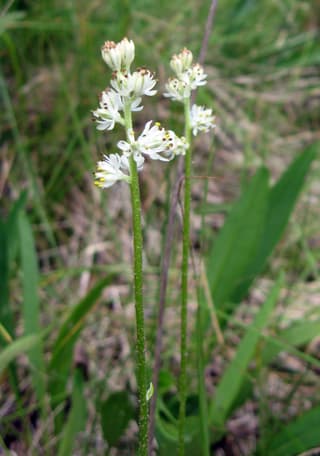
| Sticky false asphodel | Hard | Bright indirect | 1d | ✓ |
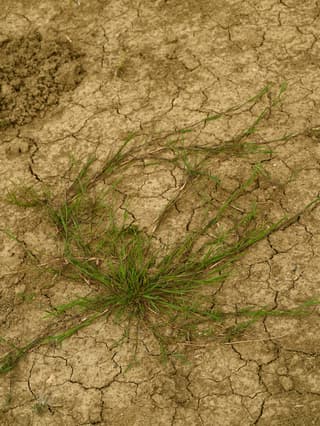
| Creeping bentgrass | Hard | Direct sun | 3d | ✓ |
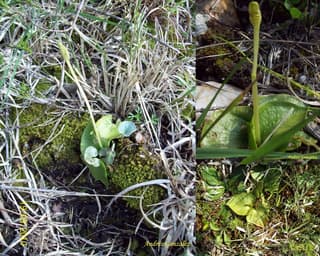
| Bulbous Adder's-tongue | Hard | Partial shade | 4d | ✓ |
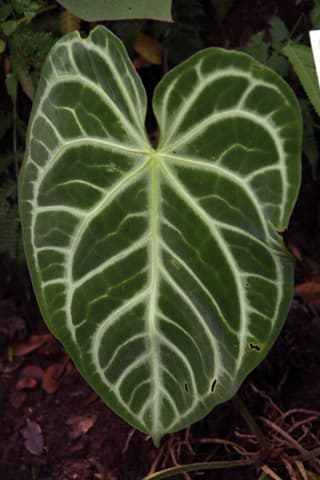
| Crystal Anthurium | Hard | Partial shade | 7d | ⚠️ |