South American Slipper Orchid with Bacterial Soft Rot: Prevention & Cure
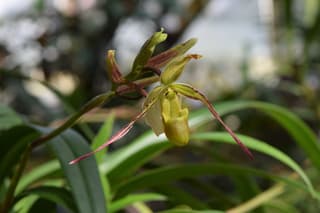
Phragmipedium
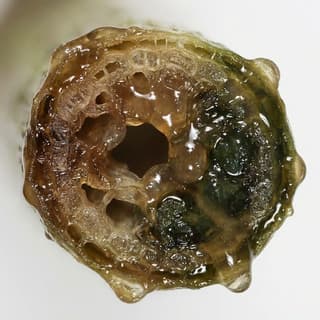
Bacterial Soft Rot on South American Slipper Orchid: What to Know?
Bacterial Soft Rot on South American Slipper Orchid (Phragmipedium) is a bacterial condition with moderate severity. South American Slipper Orchid has moderate susceptibility to this disease. Erwinia is a genus of plant-pathogenic bacteria that cause fast-spreading rots and blights. On apple and pear, Erwinia amylovora causes fire blight: tender shoots wilt, turn dark, and often bend like...
South American Slipper Orchid is a hard-care plant. As an indoor plant, ensure good ventilation to aid recovery.
🛡️ How to Prevent Bacterial Soft Rot on South American Slipper Orchid?
TLDR: Prevent Bacterial Soft Rot on South American Slipper Orchid with 8 essential preventive care practices.
- ✓ Choose resistant or less-susceptible apple and pear varieties when possible.
- ✓ Plant trees and shrubs with good spacing and prune them yearly to maintain airflow and avoid dense, shaded canopies.
- ✓ Water plants at the base in the morning and keep foliage and flowers as dry as possible.
- ✓ Sterilize pruning tools before and during use and avoid pruning in wet weather.
- ✓ Use clean potting mix and containers and isolate new plants for 2–3 weeks before adding them to your collection.
- ✓ Avoid heavy nitrogen fertilization that encourages soft, lush growth.
- ✓ Remove and discard blighted twigs, mummified fruit, and fallen debris throughout the season.
- ✓ Manage insects that visit flowers or wounds, using non-chemical methods first, to reduce the spread of bacteria.
🌱 How to Care for South American Slipper Orchid to Prevent Bacterial Soft Rot?
💧 How to Water
Water often enough that the medium is always slightly damp - in warm weather this can mean 2-3 times a week. Use rainwater, distilled water or low-mineral tap water at room temperature, and flush the pot thoroughly each time so salts never build up around the sensitive roots.
☀️ Lighting
Give bright, indirect light such as an east-facing window or a lightly shaded south window. Direct midday sun will scorch the foliage, while too little light is the most common reason Phragmipediums fail to bloom.
🪴 Ideal Soil
Pot in a fine, fast-draining mix of small orchid bark and perlite (or a bark-compost blend) that holds moisture without turning soggy. Repot every 1-2 years before the mix breaks down, since decomposing bark is the leading cause of root and crown rot.