Pteridaceae
Spider Fern (Pteris multifida)
Pteris multifida
Give it bright shade or indirect light, keep the soil evenly moist but never soggy, and raise the humidity indoors. Feed lightly once a month in spring and summer and remove old brown fronds at the base.
Every 5 days
Partial shade
-5° - 30°C
50% - 80%
Categories
What is Spider Fern?
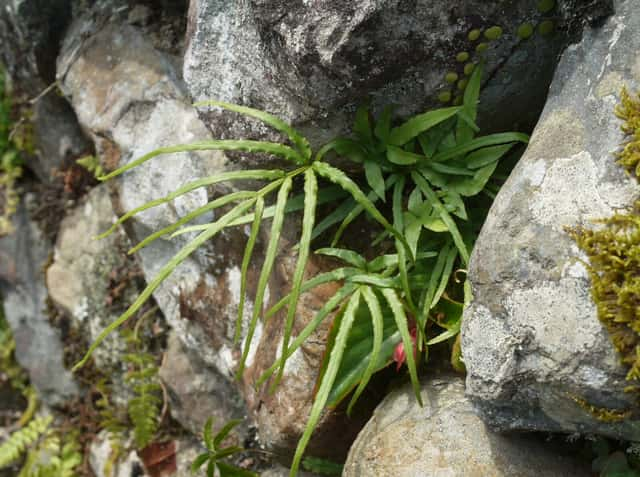
Spider Fern (Pteris multifida) is a easy-care plant from the Pteridaceae family. Spider fern (Pteris multifida) is a small evergreen fern from China, Korea, Japan, Taiwan and Vietnam. In the wild it grows in the cracks of shady old walls and masonry, and it has followed people to towns and cemeteries in many parts of the world. Its clustered fronds are 10-60 cm long and split in...
Spider Fern grows up to 60cm, spread of 40cm, watering every 5 days, -5°C – 30°C, 50–80% humidity. It is suitable for indoor environments and safe for pets.
Unlike many tropical plants, Spider Fern tolerates watering mistakes. Best for beginners. Unlike many popular species, Spider Fern is safe to keep around pets. Without adequate drainage, root rot can develop within 10 days.
How to Care for Spider Fern?
TLDR: Spider Fern needs Partial shade, watering every 5 days, and temperatures between -5-30°C with 50-80% humidity.
How Often Should You Water Spider Fern?
Water when the top 1-2 cm of soil starts to dry, usually every 4-6 days in summer and less in winter. Do not let it dry out completely, but empty the saucer so the roots do not sit in water.
How Much Light Does Spider Fern Need?
Bright indirect light or shade; direct sun scorches the fronds.
What Is the Best Soil for Spider Fern?
Light, well-drained potting mix with peat or coir and some grit or perlite. Outdoors it grows in crevices of walls and stony ground.
What Pot Should You Use for Spider Fern?
A small plastic or glazed pot with drainage holes keeps the soil moist longer. Repot every 2 years in spring.
Care Schedule
Fertilize
Every 30 days
Misting
Every 3 days
Repot
Every 730 days
What Is Spider Fern and Where Does It Come From?
Spider fern (Pteris multifida) is a small evergreen fern from China, Korea, Japan, Taiwan and Vietnam. In the wild it grows in the cracks of shady old walls and masonry, and it has followed people to towns and cemeteries in many parts of the world. Its clustered fronds are 10-60 cm long and split into 3-7 pairs of narrow, ribbon-like leaflets with finely toothed edges, giving the plant a loose, spidery look. The fertile leaflets that carry spores are even narrower than the others. It stays green through winter and is easy to grow in a pot or a shady garden corner.
How to Propagate Spider Fern?
Division
Divide when the clump fills the pot. Water well after dividing and do not fertilise for a month.
- 1 Take the fern out of its pot
- 2 Pull or cut the clump into sections, each with roots and several fronds
- 3 Pot each section in fresh, moist fern mix
- 4 Keep in shade and high humidity until new fronds appear
Materials needed:
Spores
It spreads easily by spores; seedlings often appear on their own in nearby pots or wall cracks.
- 1 Place a fertile frond with brown spore lines on paper for a few days to release spores
- 2 Sprinkle the spores on sterile, moist peat or coir
- 3 Cover with clear plastic and keep in bright shade
- 4 Mist to keep the surface moist
- 5 Pot up the small ferns when they are 2-3 cm tall
Materials needed:
How Big Does Spider Fern Grow?
TLDR: Spider Fern can reach up to 60cm tall with Medium growth rate.
Max height
60cm
Spread
40cm
Growth rate
Medium
Foliage
Evergreen
Plant Uses
Ornamental
Great for decoration
Is your plant showing symptoms?
Click on the symptom to discover possible causes:
What Diseases Commonly Affect Spider Fern?
TLDR: Spider Fern is susceptible to 4 known diseases. Monitor regularly for early detection.
Scale Insects
Scale insects are small sap-sucking pests that appear as brown, shell-like bumps on plant stems and leaves. There are over 25 species, divided into armored (hard) and unarmored (soft) scales. They feed by piercing plant tissue and extracting sap, which weakens the plant and can lead to yellowing, stunted growth, and even death if left untreated. They also excrete honeydew, which attracts ants and promotes sooty mold growth.
Mealybugs
Mealybugs are small, soft-bodied insects covered with a white, waxy, cottony material. They are common pests of houseplants and outdoor plants in mild climates. These sap-sucking insects feed on plant tissue, causing damage, stunted growth, and can lead to plant death if left untreated. They produce sticky honeydew which attracts sooty mold.
Root Rot
Root rot is a serious fungal disease that affects the root system of plants, causing them to decay and die. It is primarily caused by overwatering, poor drainage, or soil-borne fungi such as Pythium, Phytophthora, Rhizoctonia, and Fusarium. The disease thrives in waterlogged conditions where roots are deprived of oxygen, making them susceptible to fungal infection.
Low Humidity Stress
Low humidity stress occurs when indoor air becomes too dry, causing plants to lose moisture faster than they can absorb it through their roots. This is especially common during winter heating periods, near radiators and heating vents, or in air-conditioned spaces. Tropical plants are particularly susceptible to low humidity damage.
Fun Facts
It is one of the few ferns that prefers to live alongside people, on old walls and masonry.
Its fronds stay green through winter, even where it grows wild on walls in North America.
The spore-bearing leaflets are narrower than the sterile ones.
Frequently asked questions
Is spider fern safe for cats and dogs?
Why are my spider fern's fronds turning brown?
Can spider fern grow outdoors?
How is spider fern different from Pteris cretica?
Compare with similar plants
| Attribute | Difficulty | Light | Watering | Pet Safe |
|---|---|---|---|---|
| Field Maple | Easy | Bright indirect | 14d | ✓ |
| Iberian Houseleek | Easy | Direct sun | 14d | ✓ |
| Silver Birch | Easy | Direct sun | 14d | ✓ |
| Common Blanketflower | Easy | Direct sun | 10d | ✓ |





