Cactaceae
Spiral Cactus: Full Sun Plant
Cereus forbesii 'Spiralis'
The Spiral Cactus requires a very sunny location, well-draining soil, and sparse watering—it is one of the most drought-resistant plants, making it easy to overwater. It grows relatively fast for a cactus. During the growing season, it is beneficial to fertilize it once a month with a cactus fertilizer and repot approximately every two years.
Every 21 days
Direct sun
10° - 35°C
10% - 40%
Categories
What is Spiral Cactus?
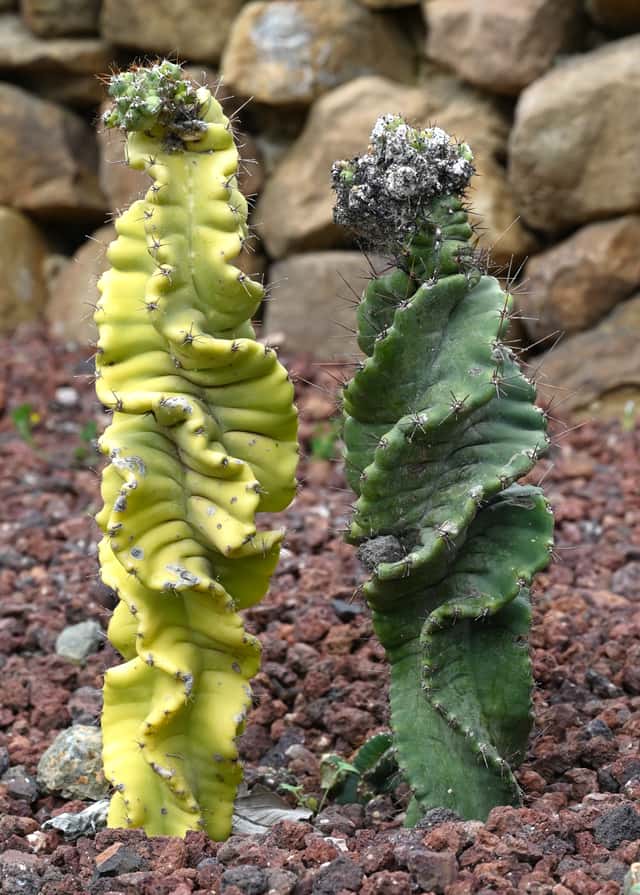
Spiral Cactus (Cereus forbesii 'Spiralis') is a easy-care plant from the Cactaceae family. Cereus forbesii 'Spiralis' is a columnar cactus featuring blue-green, waxy-coated stems with ribs that twist spirally around the trunk, creating a striking decorative effect. In its natural South American habitat, it can reach several meters in height, but in container cultivation, it grows much slo...
Spiral Cactus grows up to 4.0m, spread of 40cm, watering every 21 days, 10°C – 35°C, 10–40% humidity. It is suitable for indoor environments and safe for pets.
Unlike many tropical plants, Spiral Cactus tolerates watering mistakes. Best for beginners. Unlike many popular species, Spiral Cactus is safe to keep around pets. Without adequate drainage, root rot can develop within 42 days.
How to Care for Spiral Cactus?
TLDR: Spiral Cactus needs Direct sun, watering every 21 days, and temperatures between 10-35°C with 10-40% humidity.
How Often Should You Water Spiral Cactus?
Water sparingly and only when the substrate has completely dried out—typically once every 3 weeks during spring and summer. In winter, during the dormancy period, significantly reduce watering. Excess water combined with poor drainage is the most common cause of root rot.
How Much Light Does Spiral Cactus Need?
The plant loves intense, direct sunlight—adult specimens grow best with at least several hours of full sun per day. Young, recently rooted cuttings should be protected from the harshest midday sun to avoid sunburn.
What Is the Best Soil for Spiral Cactus?
Plant in a well-draining, sandy substrate designed for cacti and succulents. If you do not have a ready-made mix, you can combine universal potting soil with coarse sand or pumice in a 50/50 ratio to ensure rapid water drainage.
What Pot Should You Use for Spiral Cactus?
Due to its tall, columnar growth habit, choose a heavy, stable pot (preferably ceramic or terracotta) to prevent the plant from tipping over. The pot must have drainage holes—stagnant water in the substrate quickly leads to root rot.
Care Schedule
Fertilize
Every 30 days
Rotate
Every 30 days
Repot
Every 730 days
What Is Spiral Cactus and Where Does It Come From?
Cereus forbesii 'Spiralis' is a columnar cactus featuring blue-green, waxy-coated stems with ribs that twist spirally around the trunk, creating a striking decorative effect. In its natural South American habitat, it can reach several meters in height, but in container cultivation, it grows much slower and remains more compact. During summer nights, mature specimens may produce large, funnel-shaped white flowers. It is an easy-to-care-for plant, drought-tolerant and resilient to neglect, making it ideal for beginner succulent enthusiasts.
How Big Does Spiral Cactus Grow?
TLDR: Spiral Cactus can reach up to 4.0m tall with Fast growth rate.
Max height
4.0m
Spread
40cm
Growth rate
Fast
Foliage
Evergreen
Plant Uses
Ornamental
Great for decoration
Medicinal Uses
- There are no confirmed medicinal uses for this ornamental cultivar. Some related Cereus species (e.g., Cereus grandiflorus) were traditionally used in folk medicine for heart and urinary tract ailments, but this does not apply to Cereus forbesii Spiralis.
Culinary Uses
- The fruits of the Spiral Cactus are non-toxic, but the plant is grown exclusively as an ornamental and has no documented culinary use, unlike the related Cereus repandus (the so-called Peruvian Apple Cactus), which produces edible fruit.
Is your plant showing symptoms?
Click on the symptom to discover possible causes:
What Diseases Commonly Affect Spiral Cactus?
TLDR: Spiral Cactus is susceptible to 4 known diseases. Monitor regularly for early detection.
Root Rot
Root rot is a serious fungal disease that affects the root system of plants, causing them to decay and die. It is primarily caused by overwatering, poor drainage, or soil-borne fungi such as Pythium, Phytophthora, Rhizoctonia, and Fusarium. The disease thrives in waterlogged conditions where roots are deprived of oxygen, making them susceptible to fungal infection.
Mealybugs
Mealybugs are small, soft-bodied insects covered with a white, waxy, cottony material. They are common pests of houseplants and outdoor plants in mild climates. These sap-sucking insects feed on plant tissue, causing damage, stunted growth, and can lead to plant death if left untreated. They produce sticky honeydew which attracts sooty mold.
Scale Insects
Scale insects are small sap-sucking pests that appear as brown, shell-like bumps on plant stems and leaves. There are over 25 species, divided into armored (hard) and unarmored (soft) scales. They feed by piercing plant tissue and extracting sap, which weakens the plant and can lead to yellowing, stunted growth, and even death if left untreated. They also excrete honeydew, which attracts ants and promotes sooty mold growth.
Spider Mites
Spider mites are tiny arachnids (less than 1/20 inch long) related to spiders and ticks that feed on plant sap. They thrive in hot, dry conditions and can cause significant damage to ornamental and vegetable plants. During severe infestations, crop losses can reach 14% or higher as these pests disrupt vital plant processes including photosynthesis, carbon dioxide absorption, and transpiration.
Meaning & Symbolism
The genus name Cereus comes from the Latin word for 'torch'—referring to the large, white flowers that bloom at night, resembling flames at the top of the stem. Night-blooming Cereus species were considered sacred plants by indigenous peoples of the Americas, symbolizing transformation, mystery, and good luck. The spiral, twisted shape of this cultivar's ribs further emphasizes the theme of cyclical change and the uniqueness of nature.
Compare with similar plants
| Attribute | Difficulty | Light | Watering | Pet Safe |
|---|---|---|---|---|
| Field Maple | Easy | Bright indirect | 14d | ✓ |
| Silver Birch | Easy | Direct sun | 14d | ✓ |
| Common Blanketflower | Easy | Direct sun | 10d | ✓ |
| Cushion Bush | Easy | Direct sun | 14d | ✓ |
Choose & Compare
Sources & References
- How to care for Cereus forbesii Spiralis Cactus
- A complete care guide for keeping your rare spiral cactus happy
- Cereus Forbesii Spiralis Care Tips You Wish You Knew Earlier
- Cereus forbesii Care Guide: Pests, Diseases, Watering, Fertilizing & Toxicity
- Jak uprawiać i pielęgnować Cereus forbesii Spiralis
- Cereus forbesii Spiralis - opis uprawy
- Cereus forbesii spiralis plant library
- The Night Blooming Cereus: A Symbol of Transformation and Mystery





