Hypericaceae
St. John's Wort: Medicinal Uses & Care Tips
Hypericum
Grow in full sun to part shade in well-drained soil, watering moderately and letting the top layer dry between waterings. Low-maintenance and largely trouble-free, needing only an annual tidy-up prune.
Every 7 days
Bright indirect
10° - 29°C
% - %
Categories
What is St. John's Wort?
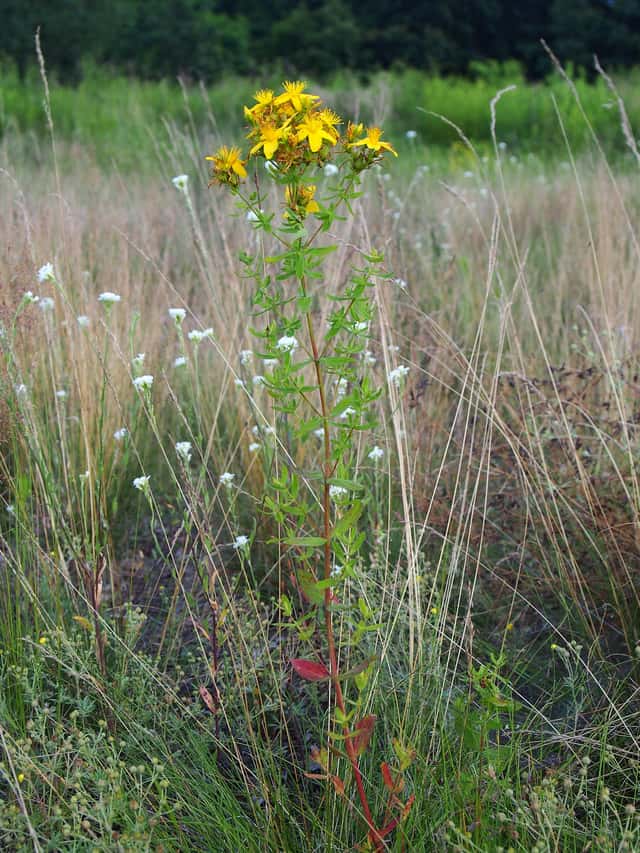
St. John's Wort (Hypericum) is a easy-care plant from the Hypericaceae family. Hypericum is a large genus of herbaceous perennials and low shrubs prized for their bright golden, five-petaled flowers with a prominent burst of stamens. Blooming mainly through spring and summer, the genus is tough, drought-tolerant once established, and adaptable to a wide range of soils, making...
St. John's Wort grows up to 1.2m, spread of 100cm, watering every 7 days, 10°C – 29°C. It is not suitable for indoor environments and not safe for pets.
Unlike many tropical plants, St. John's Wort tolerates watering mistakes. Best for beginners. Without precautions, ingestion can cause irritation in pets. Keep out of reach of cats and dogs.
How to Care for St. John's Wort?
TLDR: St. John's Wort needs Bright indirect, watering every 7 days, and temperatures between 10-29°C with 40-70% humidity.
How Often Should You Water St. John's Wort?
Water roughly every 7 days, allowing the topsoil to dry out between waterings; established plants handle dry spells well.
How Much Light Does St. John's Wort Need?
Full sun brings the heaviest bloom, though part shade is well tolerated.
What Is the Best Soil for St. John's Wort?
Adapts to sandy, loamy, or clay soils as long as drainage is good; prefers a mildly acidic to mildly alkaline pH.
What Pot Should You Use for St. John's Wort?
A terracotta or plastic pot with generous drainage holes works well for container growing; equally at home in a sunny border.
Care Schedule
Fertilize
Every 60 days
What Is St. John's Wort and Where Does It Come From?
Hypericum is a large genus of herbaceous perennials and low shrubs prized for their bright golden, five-petaled flowers with a prominent burst of stamens. Blooming mainly through spring and summer, the genus is tough, drought-tolerant once established, and adaptable to a wide range of soils, making it equally popular as a garden ornamental and as a traditional medicinal herb.
How to Propagate St. John's Wort?
Division
- Divide established clumps every 2-3 years to keep them vigorous
- Water well after replanting
- 1 Lift the clump
In spring or autumn, dig up an established clump with a garden fork.
- 2 Split the rootball
Divide into sections, each with healthy roots and shoots.
- 3 Replant
Plant divisions immediately at the same depth and water thoroughly.
Materials needed:
Softwood cuttings
- Take cuttings from non-flowering shoots
- Keep humidity high until rooted
- 1 Take the cutting
Cut an 8-10cm non-flowering shoot tip in early summer.
- 2 Prepare and plant
Remove lower leaves, dip in rooting hormone, and insert into moist, free-draining compost.
- 3 Root and pot on
Keep in a warm, humid spot out of direct sun until roots form, then pot on.
Materials needed:
How Big Does St. John's Wort Grow?
TLDR: St. John's Wort can reach up to 1.2m tall with Medium growth rate.
Max height
1.2m
Spread
1.0m
Growth rate
Medium
Foliage
Semi-evergreen
Warning: Toxic Plant
This plant can be toxic if ingested. Keep out of reach of:
Plant Uses
Ornamental
Great for decoration
Medicinal
Medicinal properties
Medicinal Uses
- Traditional remedy for mild depression and anxiety
- Topical use for minor wounds and skin soothing
- Anti-inflammatory and antiseptic folk applications
Culinary Uses
- Dried flowering tops steeped as an herbal tea
- Fresh flowers infused into oil or mead
Is your plant showing symptoms?
Click on the symptom to discover possible causes:
What Diseases Commonly Affect St. John's Wort?
TLDR: St. John's Wort is susceptible to 1 known diseases. Monitor regularly for early detection.
Meaning & Symbolism
Symbolizes protection and light overcoming darkness; traditionally hung over doors and windows to ward off evil spirits, especially around the feast of St. John.
Compare with similar plants
| Attribute | Difficulty | Light | Watering | Pet Safe |
|---|---|---|---|---|
| Field Maple | Easy | Bright indirect | 14d | ✓ |
| Silver Birch | Easy | Direct sun | 14d | ✓ |
| Common Blanketflower | Easy | Direct sun | 10d | ✓ |
| Cushion Bush | Easy | Direct sun | 14d | ✓ |





