Geraniaceae
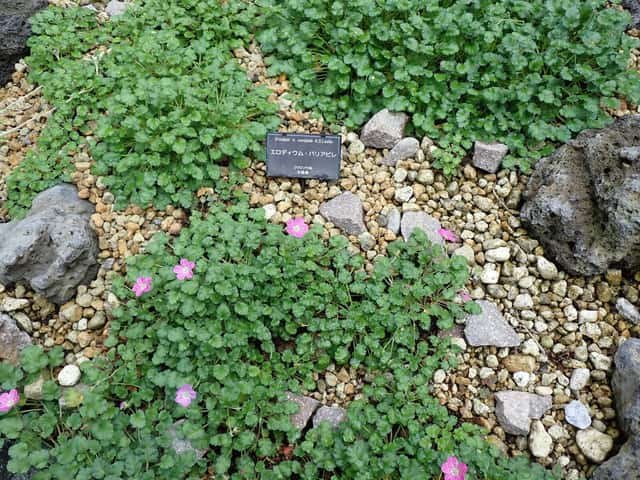
Stork's-bill (Erodium)
Erodium
An easy plant for rock gardens, raised beds and pots. It wants full sun, gritty soil and infrequent watering. What kills most erodiums is soil that stays wet, especially in winter.
Every 10 days
Direct sun
° - °C
% - %
Categories
What is Stork's-bill?
Stork's-bill (Erodium) is a easy-care plant from the Geraniaceae family. Erodium is a genus of about 120 species in the family Geraniaceae, the geranium family. They come from Europe, North Africa, Asia and Australia, with a few in the Americas, and include annuals, perennials and small subshrubs. Garden kinds usually form low mounds 15 to 30 cm tall, with divided leaves...
Stork's-bill grows up to 30cm, spread of 45cm, watering every 10 days. It is not suitable for indoor environments and safe for pets.
Unlike many tropical plants, Stork's-bill tolerates watering mistakes. Best for beginners. Unlike many popular species, Stork's-bill is safe to keep around pets.
How to Care for Stork's-bill?
TLDR: Stork's-bill needs Direct sun, watering every 10 days, and temperatures between 15-30°C with 40-70% humidity.
How Often Should You Water Stork's-bill?
Water only when the soil is dry. Once settled, it handles drought well. Skip watering in rainy spells, and if your soil is heavy, plant in a raised bed so water drains away.
How Much Light Does Stork's-bill Need?
Full sun, several hours a day. In shade it flowers little and gets floppy.
What Is the Best Soil for Stork's-bill?
Lean, sharply drained soil mixed with coarse sand or gravel. Avoid rich compost or heavy feeding, which hold water. A gravel mulch around the base keeps the leaves dry.
What Pot Should You Use for Stork's-bill?
A shallow terracotta pot or stone trough with a drainage hole, filled with a gritty mix.
What Is Stork's-bill and Where Does It Come From?
Erodium is a genus of about 120 species in the family Geraniaceae, the geranium family. They come from Europe, North Africa, Asia and Australia, with a few in the Americas, and include annuals, perennials and small subshrubs. Garden kinds usually form low mounds 15 to 30 cm tall, with divided leaves and five-petalled flowers in pink, magenta, white or purple, often with darker veins or spots. After flowering the fruit grows long and pointed, like a stork's bill.
How to Propagate Stork's-bill?
Basal cutting
Use a very sandy mix: erodium cuttings rot easily in wet soil.
- 1 Cut a young shoot right at the base of the plant
- 2 Strip the lower leaves
- 3 Plant in a slightly moist mix of sand and compost
- 4 Keep in bright light out of strong sun until rooted
Materials needed:
Seed
Sow soon after collecting. Garden hybrids may not come true from seed.
- 1 Collect seed as soon as it ripens
- 2 Sow in a sandy mix
- 3 Cover lightly with sand and keep just moist
Materials needed:
Division
Most erodiums never need dividing; do it only to make new plants.
- 1 Lift the clump in spring
- 2 Split into pieces with roots and shoots
- 3 Replant at the same depth and water once
Materials needed:
How Big Does Stork's-bill Grow?
TLDR: Stork's-bill can reach up to 30cm tall with Medium growth rate.
Max height
30cm
Spread
45cm
Plant Uses
Ornamental
Great for decoration
Is your plant showing symptoms?
Click on the symptom to discover possible causes:
What Diseases Commonly Affect Stork's-bill?
TLDR: Stork's-bill is susceptible to 5 known diseases. Monitor regularly for early detection.
Root Rot
Root rot is a serious fungal disease that affects the root system of plants, causing them to decay and die. It is primarily caused by overwatering, poor drainage, or soil-borne fungi such as Pythium, Phytophthora, Rhizoctonia, and Fusarium. The disease thrives in waterlogged conditions where roots are deprived of oxygen, making them susceptible to fungal infection.
Overwatering
Overwatering occurs when plants receive too much water, depriving roots of oxygen and causing root rot. This environmental stress is one of the most common causes of houseplant death, as waterlogged soil prevents roots from breathing and functioning properly.
Curculionidae
Curculionidae (weevils) are small beetles that feed on plants. Adults chew leaf margins, leaving crescent-shaped notches, primarily at night. The larvae live in the substrate and consume roots, causing decline, yellowing, and wilting even when the substrate is moist, and in severe cases, plant death. They frequently affect ornamentals and garden plants such as strawberries, citrus, roses, hydrangeas, azaleas, blueberries, begonias, and many potted plants.
Spider Mites
Spider mites are tiny arachnids (less than 1/20 inch long) related to spiders and ticks that feed on plant sap. They thrive in hot, dry conditions and can cause significant damage to ornamental and vegetable plants. During severe infestations, crop losses can reach 14% or higher as these pests disrupt vital plant processes including photosynthesis, carbon dioxide absorption, and transpiration.
Fun Facts
The name Erodium comes from the Greek erodios, meaning heron, after the shape of the fruit.
When the fruit dries, the seed tail coils into a spiral; with changes in humidity it twists and drills the seed into the ground.
Erodiums are close relatives of geraniums and pelargoniums.
Frequently asked questions
How often should I water an erodium?
Why did my erodium rot?
Does it need fertilizer?
How do I keep it flowering longer?
Compare with similar plants
| Attribute | Difficulty | Light | Watering | Pet Safe |
|---|---|---|---|---|
| Field Maple | Easy | Bright indirect | 14d | ✓ |
| Iberian Houseleek | Easy | Direct sun | 14d | ✓ |
| Silver Birch | Easy | Direct sun | 14d | ✓ |
| Common Blanketflower | Easy | Direct sun | 10d | ✓ |





