Fabaceae
Sturt's Desert Pea: Ground Cover Plant
Swainsona formosa
A hot-climate specialist that rewards restraint: give it maximum sun, gritty free-draining soil, and infrequent deep watering. It is intolerant of humidity, wet feet, and root disturbance, so most growers treat it as a fast-growing annual raised from scarified seed each season rather than a long-term perennial.
Every 14 days
Direct sun
10° - 45°C
10% - 40%
Categories
What is Sturt's Desert Pea?
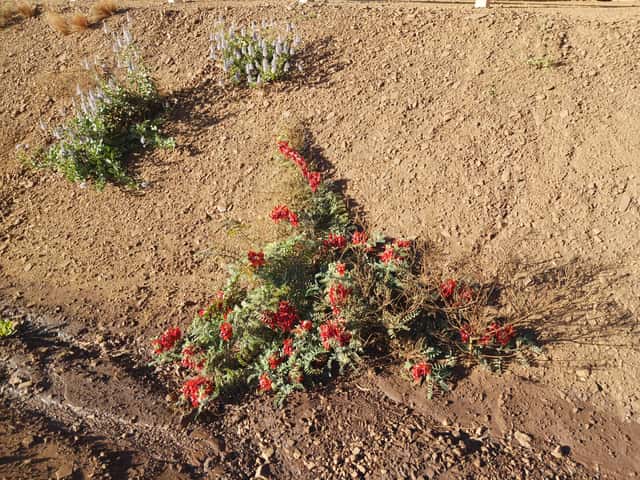
Sturt's Desert Pea (Swainsona formosa) is a hard-care plant from the Fabaceae family. Sturt's Desert Pea is one of Australia's most striking wildflowers, a low, sprawling groundcover native to the arid interior of every mainland state except Victoria. Its trailing stems of soft grey-green, pinnate leaves are studded with large, waxy blood-red blooms, each marked with a glossy black b...
Sturt's Desert Pea grows up to 20cm, spread of 200cm, watering every 14 days, 10°C – 45°C, 10–40% humidity. It is not suitable for indoor environments and safe for pets.
Unlike easy-care plants, Sturt's Desert Pea demands constant attention to humidity and light. Not recommended for beginners. Unlike many popular species, Sturt's Desert Pea is safe to keep around pets.
How to Care for Sturt's Desert Pea?
TLDR: Sturt's Desert Pea needs Direct sun, watering every 14 days, and temperatures between 10-45°C with 10-40% humidity.
How Often Should You Water Sturt's Desert Pea?
Water deeply but infrequently, letting the soil dry out fully between waterings. Water at the base rather than overhead, and keep foliage and the crown dry, since moisture sitting near the stem quickly invites fatal root and stem rot.
How Much Light Does Sturt's Desert Pea Need?
Give it the sunniest, hottest spot available - full, all-day direct sun is essential, especially through the cooler winter and spring flowering months. Poor light leads to weak, leggy growth and few flowers.
What Is the Best Soil for Sturt's Desert Pea?
Plant in a very gritty, sandy, low-nutrient mix similar to a cactus or succulent blend, ideally in a raised mound, unglazed terracotta pot, or hanging basket. Sharp drainage is the single most important factor for keeping this plant alive.
What Pot Should You Use for Sturt's Desert Pea?
Choose a deep, unglazed terracotta pot, a length of wide-diameter terracotta drainage pipe, or a hanging basket - anything that drains fast and lets the long taproot run deep. Avoid glazed ceramic or plastic pots, which trap moisture around the roots.
Care Schedule
Fertilize
Every 21 days
What Is Sturt's Desert Pea and Where Does It Come From?
Sturt's Desert Pea is one of Australia's most striking wildflowers, a low, sprawling groundcover native to the arid interior of every mainland state except Victoria. Its trailing stems of soft grey-green, pinnate leaves are studded with large, waxy blood-red blooms, each marked with a glossy black boss at the base of the standard petal. Adopted as the official floral emblem of South Australia in 1961, it thrives in harsh, sun-baked, well-drained conditions and is famously difficult to keep alive in humid or overly generous garden settings.
How to Propagate Sturt's Desert Pea?
Seed Sowing with Scarification
- Do not soak seed longer than 24 hours or it may rot.
- Avoid root disturbance - the taproot is fragile and resents transplanting.
- Grafting onto Clianthus puniceus (kaka beak) rootstock can extend the plant's short lifespan to about 3 years; used mainly by specialist growers.
- 1 Scarify the seed
Nick the hard seed coat with a blade or nail file, or soak seeds in hot (not boiling) water for 12-24 hours, so moisture can penetrate the tough coat.
- 2 Sow in a free-draining mix
Sow scarified seed 5-10mm deep in a gritty, sandy, low-nutrient mix (e.g. a cactus/succulent blend), in a tall, narrow pot to accommodate the long taproot.
- 3 Keep warm and just moist
Germination takes about 1-3 weeks in warm conditions (20-28C); keep the mix barely moist, never waterlogged, to avoid damping off.
- 4 Transplant with care
Handle seedlings as little as possible since the taproot resents disturbance; move to a final well-drained pot or mounded garden bed once true leaves appear.
Materials needed:
How Big Does Sturt's Desert Pea Grow?
TLDR: Sturt's Desert Pea can reach up to 20cm tall with Fast growth rate.
Max height
20cm
Spread
2.0m
Growth rate
Fast
Foliage
Evergreen
Plant Uses
Ornamental
Great for decoration
Ground Cover
Soil coverage
Is your plant showing symptoms?
Click on the symptom to discover possible causes:
What Diseases Commonly Affect Sturt's Desert Pea?
TLDR: Sturt's Desert Pea is susceptible to 9 known diseases. Monitor regularly for early detection.
Root Rot
Root rot is a serious fungal disease that affects the root system of plants, causing them to decay and die. It is primarily caused by overwatering, poor drainage, or soil-borne fungi such as Pythium, Phytophthora, Rhizoctonia, and Fusarium. The disease thrives in waterlogged conditions where roots are deprived of oxygen, making them susceptible to fungal infection.
Pythium Root Rot
Pythium root rot is a serious fungal disease caused by various Pythium species including P. aphanidermatum, P. ultimum, and P. irregulare. These water molds are present in practically all cultivated soils and attack plant roots under wet conditions, causing rapid wet rot that can extend into the stem. The disease is favored by poor drainage, overwatering, and specific temperatures depending on the species.
Grey Mould
Spider Mites
Spider mites are tiny arachnids (less than 1/20 inch long) related to spiders and ticks that feed on plant sap. They thrive in hot, dry conditions and can cause significant damage to ornamental and vegetable plants. During severe infestations, crop losses can reach 14% or higher as these pests disrupt vital plant processes including photosynthesis, carbon dioxide absorption, and transpiration.
Meaning & Symbolism
Sturt's Desert Pea has been the floral emblem of South Australia since 23 November 1961, prized as a symbol of the resilience and stark beauty of the Australian outback. Some Aboriginal groups know it as the 'Flower of Blood,' after a legend of a young woman who fled an unwanted marriage with her true love, with the flower said to mark where blood was spilled. Today its unmistakable red-and-black bloom appears widely in Australian art, stamps, and organisational emblems.
Compare with similar plants
| Attribute | Difficulty | Light | Watering | Pet Safe |
|---|---|---|---|---|
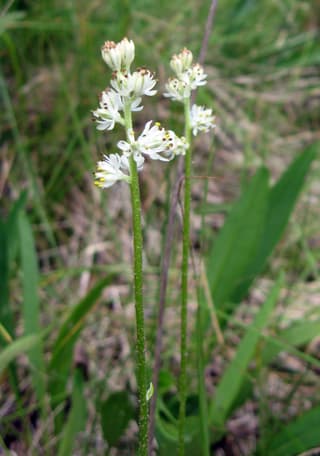
| Sticky false asphodel | Hard | Bright indirect | 1d | ✓ |
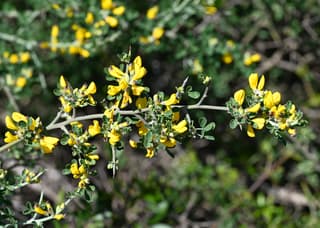
| Hairy Thorny Broom | Easy | Direct sun | 14d | ✓ |
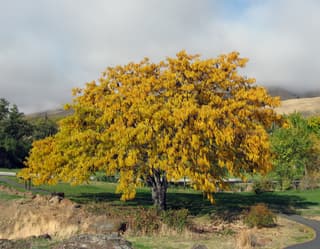
| Honey Locust | Medium | Direct sun | 14d | ✓ |
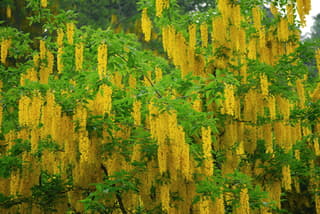
| Scotch laburnum | Medium | Bright indirect | 10d | ⚠️ |
Choose & Compare
Sources & References
- Swainsona formosa - Growing Native Plants (ANBG)
- Swainsona formosa - Wikipedia
- Swainsona formosa - Sturts Desert Pea - Gardening With Angus
- Flower colour is associated with susceptibility to disease in the legume Swainsona formosa - Australasian Plant Pathology
- Swainsona formosa - Australian Native Plants Society (Australia)
- South Australia - Floral Emblems (ANBG)