Apocynaceae
Swallowwort (Vincetoxicum): what to know
Vincetoxicum
A tough plant for sun or part shade that copes with drought and poor soil but not waterlogging. Remove the pods before they split to stop it seeding around.
Every 10 days
Bright indirect
° - °C
% - %
Categories
What is Swallowwort?
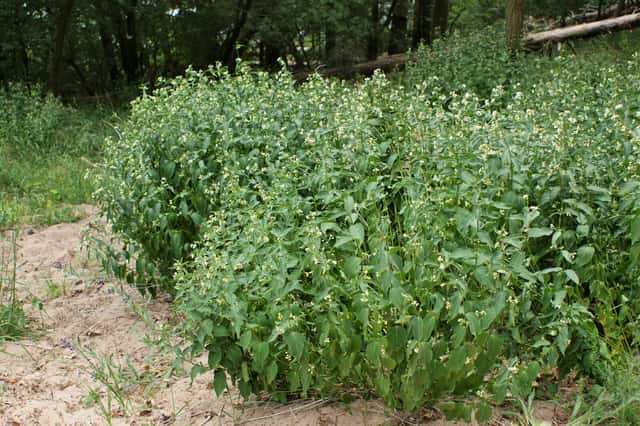
Swallowwort (Vincetoxicum) is a easy-care plant from the Apocynaceae family. Vincetoxicum is a genus of about 260 species in the dogbane family, related to milkweeds. They are upright perennial herbs or herbaceous vines up to 2 m, native to Europe, Asia, Africa and Australia. The small star-shaped flowers are white, yellowish or dark purple, and the pods release plumed seeds...
Swallowwort grows up to 2.0m, watering every 10 days. It is not suitable for indoor environments and safe for pets.
Unlike many tropical plants, Swallowwort tolerates watering mistakes. Best for beginners. Unlike many popular species, Swallowwort is safe to keep around pets.
How to Care for Swallowwort?
TLDR: Swallowwort needs Bright indirect, watering every 10 days, and temperatures between 15-30°C with 40-70% humidity.
How Often Should You Water Swallowwort?
Once established it needs almost no watering and handles long dry spells. Water about every 10 days only in the first year or in a long drought. Waterlogged soil kills it.
How Much Light Does Swallowwort Need?
Full sun or partial shade. It flowers more with plenty of light.
What Is the Best Soil for Swallowwort?
Free-draining, poor to moderately fertile soil, sandy or stony. Many species grow on chalky soil in the wild.
What Pot Should You Use for Swallowwort?
Best planted in the ground. In a container, use a deep pot with good drainage, since the rhizome spreads.
What Is Swallowwort and Where Does It Come From?
Vincetoxicum is a genus of about 260 species in the dogbane family, related to milkweeds. They are upright perennial herbs or herbaceous vines up to 2 m, native to Europe, Asia, Africa and Australia. The small star-shaped flowers are white, yellowish or dark purple, and the pods release plumed seeds that drift on the wind. Some species, such as black and pale swallowwort, have become serious invaders in North America.
How to Propagate Swallowwort?
Division
Wear gloves: the sap and roots are toxic.
- 1 Lift the clump in early spring
- 2 Split it into pieces with roots and buds
- 3 Replant at the same depth and water in
Materials needed:
Seed
Where the genus is invasive, do not sow it or dump pods in the garden.
- 1 Collect the pods as they start to dry
- 2 Separate the seeds from the fluff
- 3 Sow in autumn so they get a cold spell
Materials needed:
How Big Does Swallowwort Grow?
TLDR: Swallowwort can reach up to 2.0m tall with Medium growth rate.
Max height
2.0m
Foliage
Deciduous
Warning: Toxic Plant
This plant can be toxic if ingested. Keep out of reach of:
Plant Uses
Medicinal
Medicinal properties
Medicinal Uses
- Root formerly used as an emetic and snakebite remedy; not recommended today because of its toxicity
Is your plant showing symptoms?
Click on the symptom to discover possible causes:
What Diseases Commonly Affect Swallowwort?
TLDR: Swallowwort is susceptible to 3 known diseases. Monitor regularly for early detection.
Root Rot
Root rot is a serious fungal disease that affects the root system of plants, causing them to decay and die. It is primarily caused by overwatering, poor drainage, or soil-borne fungi such as Pythium, Phytophthora, Rhizoctonia, and Fusarium. The disease thrives in waterlogged conditions where roots are deprived of oxygen, making them susceptible to fungal infection.
Aphids
Aphids are small, soft-bodied, pear-shaped insects (1/16 to 1/8 inch long) that feed by sucking nutrient-rich sap from plants. They reproduce rapidly and can quickly weaken plants, causing distorted growth and transmitting plant viruses. Aphids come in various colors including green, black, red, yellow, brown, and gray. They secrete honeydew, a sticky substance that attracts ants and encourages sooty mold growth.
Caterpillars
Caterpillars are the larval stage of moths and butterflies that feed voraciously on plant foliage, stems, flowers, and fruits. Common species include cabbage loopers, tomato hornworms, armyworms, and cutworms. These pests can cause extensive damage by consuming large amounts of plant tissue in a short time. They vary in size from small (1/4 inch) to large (5 inches), with colors ranging from green to brown, often featuring stripes or spots. Caterpillars are highly mobile and can quickly spread throughout gardens, making them one of the most destructive common pests.
Meaning & Symbolism
The Latin name means poison-beater: the root was once thought to cure snakebite and poisoning.
Fun Facts
Vincetoxicum means poison-beater in Latin
In North America two invasive species are known as dog-strangling vine
White swallowwort flowers briefly trap small flies, which pollinate them
Frequently asked questions
Is swallowwort poisonous?
Why are some swallowworts called invasive?
Is it good for monarch butterflies?
Compare with similar plants
| Attribute | Difficulty | Light | Watering | Pet Safe |
|---|---|---|---|---|
| Field Maple | Easy | Bright indirect | 14d | ✓ |
| Iberian Houseleek | Easy | Direct sun | 14d | ✓ |
| Silver Birch | Easy | Direct sun | 14d | ✓ |
| Common Blanketflower | Easy | Direct sun | 10d | ✓ |





