Eriocaulaceae
Yellow hatpins: Full Sun Plant
Syngonanthus flavidulus
The plant requires full sun and constantly moist to wet, nutrient-poor, sandy soil—it performs best in bog gardens or at the edges of ponds, replicating the natural conditions of pine savannas. It does not tolerate drying out or shade. This is a wild species and is rarely cultivated as a houseplant.
Every 2 days
Direct sun
° - °C
% - %
Categories
What is Yellow hatpins?
Yellow hatpins (Syngonanthus flavidulus) is a hard-care plant from the Eriocaulaceae family. Syngonanthus flavidulus, commonly known as yellow hatpins, is a small, perennial herb in the pipewort family (Eriocaulaceae), endemic to the southeastern United States (Alabama, Florida, Georgia, Mississippi, North Carolina, and South Carolina). It grows in moist, sandy pine savannas, pond margins,...
Yellow hatpins grows up to 30cm, watering every 2 days. It is not suitable for indoor environments and safe for pets.
Unlike easy-care plants, Yellow hatpins demands constant attention to humidity and light. Not recommended for beginners. Unlike many popular species, Yellow hatpins is safe to keep around pets.
How to Care for Yellow hatpins?
TLDR: Yellow hatpins needs Direct sun, watering every 2 days, and temperatures between 15-30°C with 40-70% humidity.
How Often Should You Water Yellow hatpins?
Keep the substrate constantly moist, preferably slightly waterlogged—in its natural environment, the plant grows where there is constant groundwater seepage. Never allow the soil to dry out completely.
How Much Light Does Yellow hatpins Need?
Requires full sun for most of the day—in nature, it grows in open, sunny pine savannas and along the banks of water bodies without any shade.
What Is the Best Soil for Yellow hatpins?
Prefers nutrient-poor, sandy soil with constant moisture and poor drainage, mimicking natural bog habitats and wet sands.
What Pot Should You Use for Yellow hatpins?
In container cultivation, it is best to use a pot without drainage holes or one placed in a shallow tray of water to ensure constant soil moisture that mimics bog conditions.
What Is Yellow hatpins and Where Does It Come From?
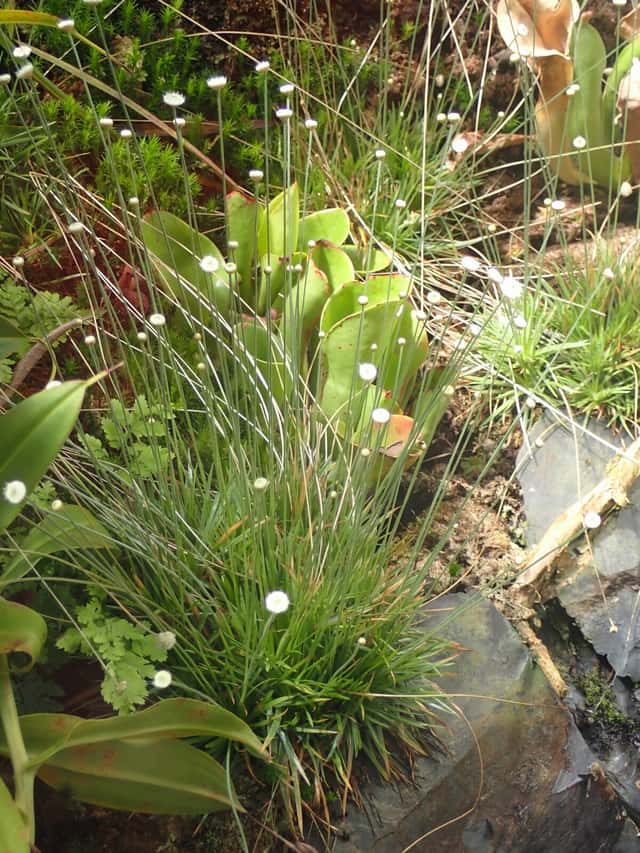
Syngonanthus flavidulus, commonly known as yellow hatpins, is a small, perennial herb in the pipewort family (Eriocaulaceae), endemic to the southeastern United States (Alabama, Florida, Georgia, Mississippi, North Carolina, and South Carolina). It grows in moist, sandy pine savannas, pond margins, bogs, and ditches, in areas with constant groundwater seepage maintained by natural fires. It forms dense tufts of narrow, grass-like leaves from which thin stems (scapes) emerge, topped with tiny, spherical, white-to-yellowish inflorescences resembling pinheads—hence the name "yellow hatpins." It blooms from spring to early summer.
How to Propagate Yellow hatpins?
Sowing from seed
- 1 Collect the tiny, translucent seeds from mature, spherical flower heads
- 2 Sow on the surface of moist, sandy soil, pressing lightly without covering
- 3 Keep the substrate constantly moist to wet and provide full sun
- 4 Germination and seedling growth can be slow—remain patient
Materials needed:
Division
- 1 Remove a mature, dense clump of the plant from the soil along with the root ball
- 2 Gently divide the clump into smaller sections, each with its own roots and growth buds
- 3 Plant immediately in moist, sandy soil
- 4 Maintain constant moisture and full sun until established
Materials needed:
How Big Does Yellow hatpins Grow?
TLDR: Yellow hatpins can reach up to 30cm tall with Medium growth rate.
Max height
30cm
Foliage
Evergreen
Plant Uses
Ornamental
Great for decoration
Is your plant showing symptoms?
Click on the symptom to discover possible causes:
Meaning & Symbolism
Yellow hatpins symbolize perseverance and the resilience of wetland ecosystems—as a species dependent on periodic pine savanna fires, it serves as a reminder of the delicate balance of nature and the role of natural processes in sustaining biodiversity.
Compare with similar plants
| Attribute | Difficulty | Light | Watering | Pet Safe |
|---|---|---|---|---|
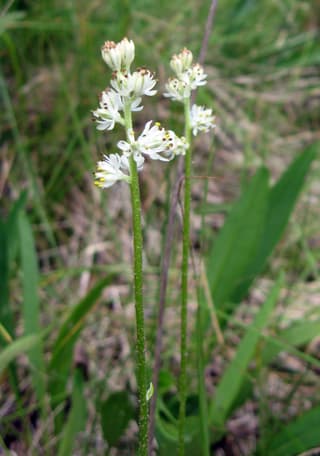
| Sticky false asphodel | Hard | Bright indirect | 1d | ✓ |
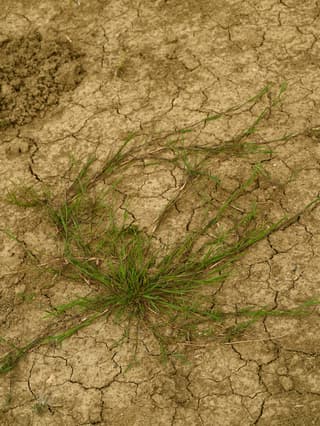
| Creeping bentgrass | Hard | Direct sun | 3d | ✓ |
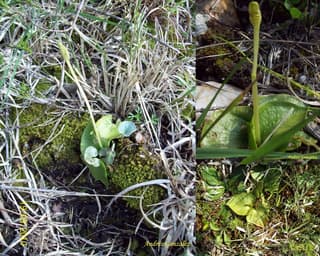
| Bulbous Adder's-tongue | Hard | Partial shade | 4d | ✓ |
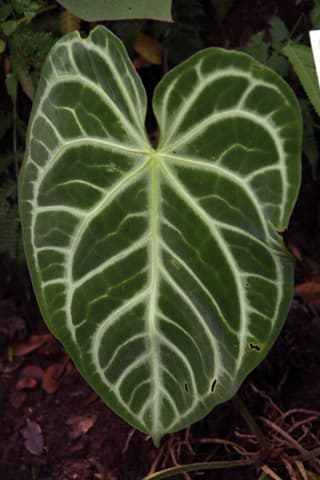
| Crystal Anthurium | Hard | Partial shade | 7d | ⚠️ |