Plantaginaceae
Toadflax: Medicinal Uses & Care Tips
Linaria
Easy to grow and low maintenance. Prefers full sun, light, well-drained soil, and moderate watering without waterlogging. It tolerates poor soils and is drought-resistant once established. Regular deadheading of spent flowers encourages new blooms throughout the season.
Every 7-10 days
Bright indirect
13° - 24°C
% - %
Categories
What is Toadflax?
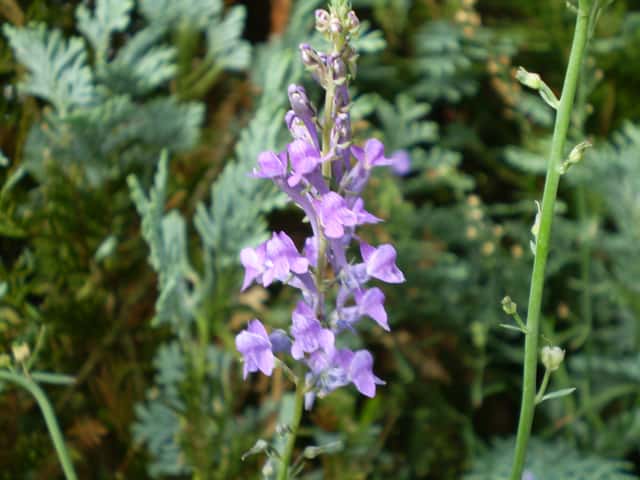
Toadflax (Linaria) is a easy-care plant from the Plantaginaceae family. Linaria is a genus in the Plantaginaceae family comprising about 150 species of annual and perennial herbaceous plants, native primarily to Europe, the Mediterranean region, and North Africa. Commonly known as toadflax, their flowers resemble small snapdragons (Antirrhinum), featuring spurred petals...
Toadflax grows up to 90cm, spread of 30cm, 13°C – 24°C. It is not suitable for indoor environments and not safe for pets.
Unlike many tropical plants, Toadflax tolerates watering mistakes. Best for beginners. Without precautions, ingestion can cause irritation in pets. Keep out of reach of cats and dogs.
How to Care for Toadflax?
TLDR: Toadflax needs Bright indirect, watering every 7 days, and temperatures between 13-24°C with 40-70% humidity.
How Often Should You Water Toadflax?
Water moderately, allowing the soil surface to dry out between waterings. Avoid waterlogged soil, as excess water promotes root rot; during dry periods, increase frequency only as necessary.
How Much Light Does Toadflax Need?
Prefers full sun to light partial shade, requiring at least 6 to 8 hours of direct light per day to ensure abundant flowering and sturdier stems.
What Is the Best Soil for Toadflax?
Sandy or sandy-loam soil that is light and has excellent drainage is ideal. A pH between slightly acidic and neutral (about 6.0 to 7.5) promotes healthy plant development.
What Pot Should You Use for Toadflax?
When grown in pots, prefer containers with good drainage and large holes at the bottom, made of porous material like terracotta, which helps prevent moisture buildup around the roots.
What Is Toadflax and Where Does It Come From?
Linaria is a genus in the Plantaginaceae family comprising about 150 species of annual and perennial herbaceous plants, native primarily to Europe, the Mediterranean region, and North Africa. Commonly known as toadflax, their flowers resemble small snapdragons (Antirrhinum), featuring spurred petals and colors ranging from yellow, purple, pink, and white. They are hardy, fast-growing plants widely used in flower beds, borders, and naturalistic gardens.
How to Propagate Toadflax?
Seed Propagation
Seeds self-sow easily in the garden; in cold climates, sow in the fall for germination the following spring.
- 1 Sow in pots or seed trays with light, well-drained substrate
- 2 Cover the seeds with a thin layer of substrate
- 3 Keep in a protected area with indirect light and constant moisture
- 4 After germination, transplant the seedlings to their permanent location in full sun
Materials needed:
Basal Shoot Cuttings
Choose vigorous shoots that are not yet woody for better rooting rates.
- 1 Remove new shoots emerging from the base of the plant in spring
- 2 Cut cuttings about 3 to 4 inches long
- 3 Plant in light, well-drained substrate
- 4 Keep moist and in a location with indirect light until rooted
Materials needed:
How Big Does Toadflax Grow?
TLDR: Toadflax can reach up to 90cm tall with Fast growth rate.
Max height
90cm
Spread
30cm
Growth rate
Fast
Foliage
Deciduous
Warning: Toxic Plant
This plant can be toxic if ingested. Keep out of reach of:
Plant Uses
Ornamental
Great for decoration
Medicinal
Medicinal properties
Medicinal Uses
- Traditional folk use as a diuretic and mild laxative (specifically Linaria vulgaris), without consolidated scientific proof — it should not replace medical advice.
Is your plant showing symptoms?
Click on the symptom to discover possible causes:
What Diseases Commonly Affect Toadflax?
TLDR: Toadflax is susceptible to 5 known diseases. Monitor regularly for early detection.
Root Rot
Root rot is a serious fungal disease that affects the root system of plants, causing them to decay and die. It is primarily caused by overwatering, poor drainage, or soil-borne fungi such as Pythium, Phytophthora, Rhizoctonia, and Fusarium. The disease thrives in waterlogged conditions where roots are deprived of oxygen, making them susceptible to fungal infection.
Powdery Mildew
Powdery mildew is a common fungal disease caused by various fungi species including Erysiphe, Podosphaera, Oïdium, and Leveillula. It affects over 10,000 plant species worldwide. The disease thrives in warm, dry climates with high humidity and appears as a distinctive white powdery coating on plant surfaces.
Rust
Rust is a common fungal disease caused by fungi in the order Pucciniales that affects a wide variety of plants. The disease gets its name from the characteristic orange, yellow, or reddish-brown pustules that appear on leaves, resembling metal rust. This obligate fungal parasite requires living plants to survive and can cause significant economic losses in agricultural crops.
Aphids
Aphids are small, soft-bodied, pear-shaped insects (1/16 to 1/8 inch long) that feed by sucking nutrient-rich sap from plants. They reproduce rapidly and can quickly weaken plants, causing distorted growth and transmitting plant viruses. Aphids come in various colors including green, black, red, yellow, brown, and gray. They secrete honeydew, a sticky substance that attracts ants and encourages sooty mold growth.
Meaning & Symbolism
There is no widely established symbolism associated with toadflax; because it grows well in poor soils, wall crevices, and arid terrain, it is sometimes informally associated with resilience and simplicity.
Compare with similar plants
| Attribute | Difficulty | Light | Watering | Pet Safe |
|---|---|---|---|---|
| Field Maple | Easy | Bright indirect | 14d | ✓ |
| Silver Birch | Easy | Direct sun | 14d | ✓ |
| Common Blanketflower | Easy | Direct sun | 10d | ✓ |
| Cushion Bush | Easy | Direct sun | 14d | ✓ |





