Tapinellaceae
velvet-footed pax: Best for Low Light
Tapinella atrotomentosa
As a saprotrophic fungus, it requires a specific environment of decaying wood, high humidity, and a shaded forest habitat.
Every 3 days
Low light
5° - 25°C
70% - 95%
Categories
What is velvet-footed pax?
velvet-footed pax (Tapinella atrotomentosa) is a hard-care plant from the Tapinellaceae family. Tapinella atrotomentosa, commonly known as the velvet-footed pax, is a striking gilled mushroom that grows primarily on decaying stumps and roots of conifers. It is characterized by its robust, velvety brown-to-black stem and asymmetrical cap. Although not as lethally toxic as its relative, the brow...
velvet-footed pax grows up to 15cm, spread of 25cm, watering every 3 days, 5°C – 25°C, 70–95% humidity. It is not suitable for indoor environments and not safe for pets.
Unlike easy-care plants, velvet-footed pax demands constant attention to humidity and light. Not recommended for beginners. Without precautions, ingestion can cause irritation in pets. Keep out of reach of cats and dogs.
How to Care for velvet-footed pax?
TLDR: velvet-footed pax needs Low light, watering every 3 days, and temperatures between 5-25°C with 70-95% humidity.
How Often Should You Water velvet-footed pax?
Keep both the substrate and the surrounding air constantly moist, ideally by misting.
How Much Light Does velvet-footed pax Need?
Requires deep shade or partial shade; direct sunlight quickly dehydrates the fruiting bodies.
What Is the Best Soil for velvet-footed pax?
The substrate must consist of decomposing coniferous wood with a low pH.
What Pot Should You Use for velvet-footed pax?
Not suitable for pot cultivation; requires a substrate of decaying coniferous wood.
Care Schedule
Misting
Every 1 days
What Is velvet-footed pax and Where Does It Come From?
Tapinella atrotomentosa, commonly known as the velvet-footed pax, is a striking gilled mushroom that grows primarily on decaying stumps and roots of conifers. It is characterized by its robust, velvety brown-to-black stem and asymmetrical cap. Although not as lethally toxic as its relative, the brown roll-rim, it contains toxins that can cause severe digestive distress and, in sensitive individuals, autoimmune reactions.
How to Propagate velvet-footed pax?
Spore dispersal
- Thrives best on pine stumps in acidic soil.
- 1 Spore collection
Obtaining spore print from a mature fruiting body onto dark paper.
- 2 Inoculation
Applying spores to moist, decaying pine or spruce wood.
- 3 Incubation
Maintaining high substrate humidity in a shaded environment for mycelium development.
Materials needed:
How Big Does velvet-footed pax Grow?
TLDR: velvet-footed pax can reach up to 15cm tall with Medium growth rate.
Max height
15cm
Spread
25cm
Growth rate
Medium
Warning: Toxic Plant
This plant can be toxic if ingested. Keep out of reach of:
Plant Uses
Ornamental
Great for decoration
Medicinal Uses
- Antibacterial effects (in laboratory research)
- Contains atromentin acid with anti-inflammatory properties
Is your plant showing symptoms?
Click on the symptom to discover possible causes:
Meaning & Symbolism
In mycology, it represents the resilience of saprotrophic organisms in acidic biotopes.
Compare with similar plants
| Attribute | Difficulty | Light | Watering | Pet Safe |
|---|---|---|---|---|
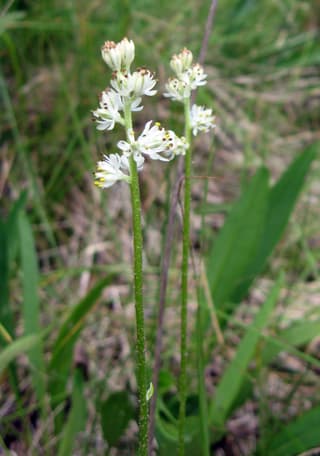
| Sticky false asphodel | Hard | Bright indirect | 1d | ✓ |
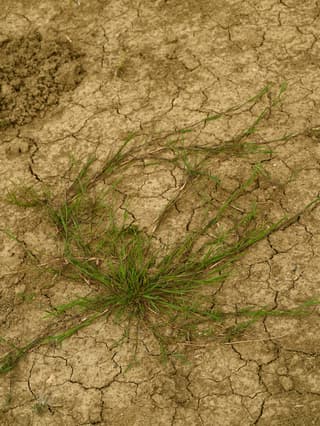
| Creeping bentgrass | Hard | Direct sun | 3d | ✓ |
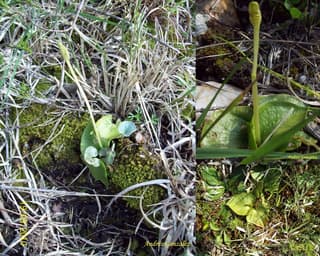
| Bulbous Adder's-tongue | Hard | Partial shade | 4d | ✓ |
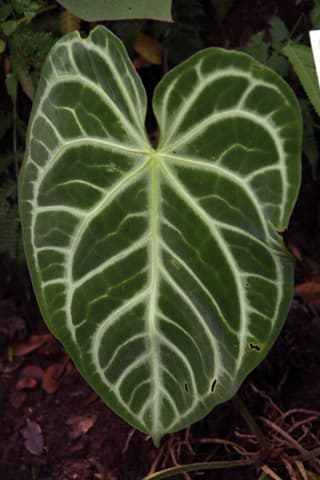
| Crystal Anthurium | Hard | Partial shade | 7d | ⚠️ |