Pittosporaceae
Victorian Box (Pittosporum undulatum)
Pittosporum undulatum
Fast-growing and easy outdoors in zones 9 to 11. Prefers full sun to part shade, well-drained soil and moderate to low watering once established. Tolerates pruning. Avoid planting it where it behaves as an invasive species.
Every 10 days
Bright indirect
° - °C
% - %
Categories
What is Victorian box?
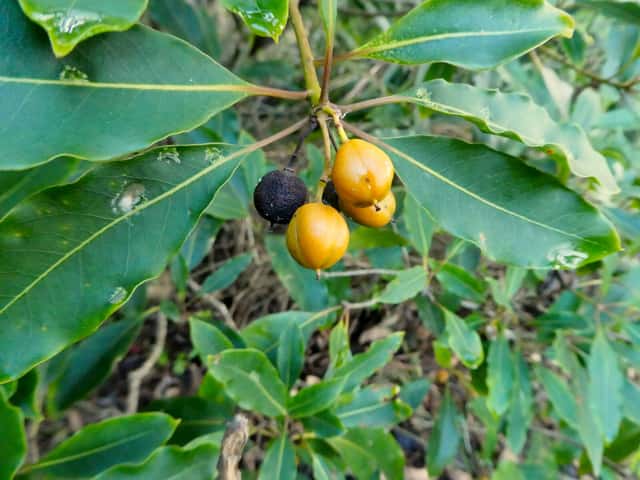
Victorian box (Pittosporum undulatum) is a easy-care plant from the Pittosporaceae family. Evergreen tree or large shrub with glossy, wavy-edged green leaves, native to eastern Australia. It can reach about 12-15 m and bears very fragrant white flowers in spring, scented most strongly at night, followed by woody orange fruits. Note: it is considered invasive in several regions, including...
Victorian box grows up to 15.0m, spread of 1200cm, watering every 10 days. It is not suitable for indoor environments and safe for pets.
Unlike many tropical plants, Victorian box tolerates watering mistakes. Best for beginners. Unlike many popular species, Victorian box is safe to keep around pets.
How to Care for Victorian box?
TLDR: Victorian box needs Bright indirect, watering every 10 days, and temperatures between 15-30°C with 40-70% humidity.
How Often Should You Water Victorian box?
Water moderately and let the soil dry between waterings; waterlogged soil encourages root rot.
How Much Light Does Victorian box Need?
Grows in full sun to part shade and flowers best in bright light.
What Is the Best Soil for Victorian box?
Prefers well-drained soil but adapts to sandy, loamy or clay soils.
What Pot Should You Use for Victorian box?
Not ideal for long-term pot growing since it becomes a tree; if potted, use a large container with drainage holes.
What Is Victorian box and Where Does It Come From?
Evergreen tree or large shrub with glossy, wavy-edged green leaves, native to eastern Australia. It can reach about 12-15 m and bears very fragrant white flowers in spring, scented most strongly at night, followed by woody orange fruits. Note: it is considered invasive in several regions, including South Africa, Hawaii, the Azores, the Caribbean and southern Brazil.
How to Propagate Victorian box?
Seed sowing
Caution: seedlings spread easily; prevent them from becoming invasive in your area.
- 1 Collect ripe fruits and remove the seeds
- 2 Sow in a light, well-drained mix
- 3 Keep moist in a bright spot until germination
Materials needed:
How Big Does Victorian box Grow?
TLDR: Victorian box can reach up to 15.0m tall with Fast growth rate.
Max height
15.0m
Spread
12.0m
Growth rate
Fast
Foliage
Evergreen
Plant Uses
Ornamental
Great for decoration
Aromatic
Pleasant fragrance
Is your plant showing symptoms?
Click on the symptom to discover possible causes:
What Diseases Commonly Affect Victorian box?
TLDR: Victorian box is susceptible to 4 known diseases. Monitor regularly for early detection.
Scale Insects
Scale insects are small sap-sucking pests that appear as brown, shell-like bumps on plant stems and leaves. There are over 25 species, divided into armored (hard) and unarmored (soft) scales. They feed by piercing plant tissue and extracting sap, which weakens the plant and can lead to yellowing, stunted growth, and even death if left untreated. They also excrete honeydew, which attracts ants and promotes sooty mold growth.
Sooty Mold
Sooty mold is a fungal disease that develops on surfaces coated with honeydew, a sticky sweet substance secreted by sap-sucking insects like aphids, scale insects, and whiteflies. While it does not directly infect plant tissue, it reduces photosynthetic capacity by blocking sunlight and diminishes the plant's aesthetic appearance.
Phytophthora Root Rot
Disease caused by fungus-like organisms (oomycetes) that live in soil and can survive for years. It affects roots, stem, and crown of plants, being especially severe in waterlogged or poorly drained soils. It is the second most common cause of root rot in trees and shrubs.
Root Rot
Root rot is a serious fungal disease that affects the root system of plants, causing them to decay and die. It is primarily caused by overwatering, poor drainage, or soil-borne fungi such as Pythium, Phytophthora, Rhizoctonia, and Fusarium. The disease thrives in waterlogged conditions where roots are deprived of oxygen, making them susceptible to fungal infection.
Fun Facts
Its flowers release their strongest perfume at night.
The orange woody fruits open to reveal seeds that birds help disperse.
Native to eastern Australia, it is now invasive in several parts of the world.
Frequently asked questions
How often should I water Victorian box?
Does Victorian box need full sun?
Is Victorian box invasive?
How tall does it grow?
Compare with similar plants
| Attribute | Difficulty | Light | Watering | Pet Safe |
|---|---|---|---|---|
| Field Maple | Easy | Bright indirect | 14d | ✓ |
| Silver Birch | Easy | Direct sun | 14d | ✓ |
| Common Blanketflower | Easy | Direct sun | 10d | ✓ |
| Cushion Bush | Easy | Direct sun | 14d | ✓ |





