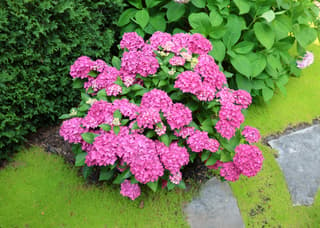
Bigleaf Hydrangea with Root Rot: Causes & Solutions
Hydrangea macrophylla
Bigleaf Hydrangea is a plant that needs indirect light and frequent watering. When showing root rot, it may indicate issues related to its environment or care.
Is your Bigleaf Hydrangea showing root rot? Discover 3 possible causes and how to treat them.
🔍 Possible Causes (3)
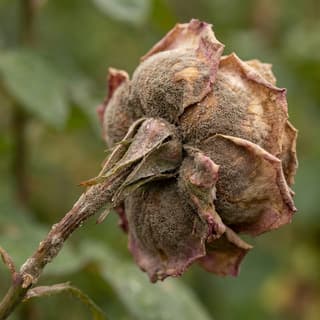
Gray Mold (Botrytis Blight)
Gray mold, caused by the fungus Botrytis cinerea, is one of the most common fungal diseases in plants. It affects over 200 plant species, including ornamentals, vegetables, fruits, and houseplants. The disease thrives in cool, humid conditions with poor air circulation, causing grayish spots and soft rot on infected tissues.
✓ Related symptoms:
- • Shriveled and rotted fruit or plant parts
- • Black, stone-like sclerotia under rotted parts
⚡ Quick Fixes:
Remove and dispose of all visibly infected parts
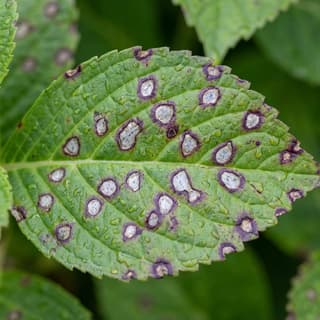
Cercospora Leaf Spot
Cercospora leaf spot is a common fungal disease caused by Cercospora species that affects many plant types, particularly beets, roses, and leafy vegetables. The disease thrives in warm, humid conditions and can cause significant defoliation, reducing plant vigor and yield. It spreads rapidly through water splash, wind, and contaminated tools.
✓ Related symptoms:
- • Spots coalesce into larger necrotic lesions
⚡ Quick Fixes:
Step 1

Root Rot
Root rot is a serious fungal disease that affects the root system of plants, causing them to decay and die. It is primarily caused by overwatering, poor drainage, or soil-borne fungi such as Pythium, Phytophthora, Rhizoctonia, and Fusarium. The disease thrives in waterlogged conditions where roots are deprived of oxygen, making them susceptible to fungal infection.
✓ Related symptoms:
- • Foul, rotting odor from the root zone
⚡ Quick Fixes:
Emergency unpotting