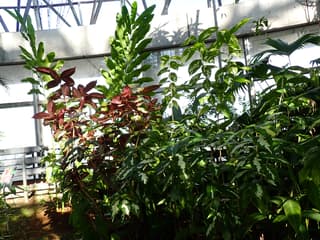
Caricature Plant with Falling Leaves: Pet-Safe Treatment
Graptophyllum pictum
Caricature Plant is a plant that needs bright light and moderate watering. When showing falling leaves, it may indicate issues related to its environment or care.
Is your Caricature Plant showing falling leaves? Discover 6 possible causes and how to treat them.
🔍 Possible Causes (6)
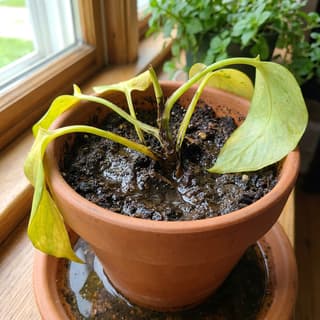
Overwatering
Overwatering occurs when plants receive too much water, depriving roots of oxygen and causing root rot. This environmental stress is one of the most common causes of houseplant death, as waterlogged soil prevents roots from breathing and functioning properly.
✓ Related symptoms:
- • Dropping leaves (both old and new) that may be green, brown, or yellow
⚡ Quick Fixes:
Step 1
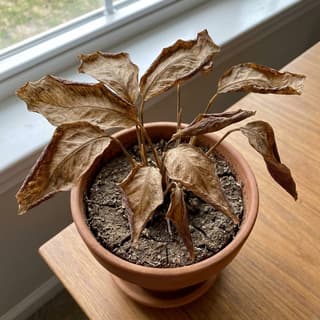
Low Humidity Stress
Low humidity stress occurs when indoor air becomes too dry, causing plants to lose moisture faster than they can absorb it through their roots. This is especially common during winter heating periods, near radiators and heating vents, or in air-conditioned spaces. Tropical plants are particularly susceptible to low humidity damage.
✓ Related symptoms:
- • Premature leaf drop, especially on tropical species
⚡ Quick Fixes:
Step 1
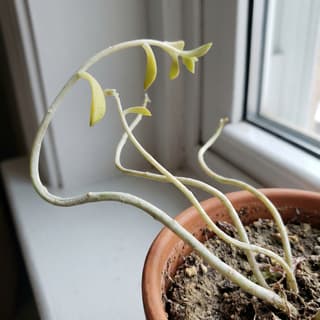
Lack of Light
Lack of light, also known as etiolation, is an environmental condition that occurs when a plant does not receive adequate light for normal photosynthesis and growth. Without sufficient light, the plant cannot produce enough chlorophyll, leading to pale coloration, weakened tissues, and abnormal elongation as the plant stretches toward any available light source. Etiolation affects virtually all plant species, from sun-loving tropicals to shade-tolerant houseplants. While the condition is not contagious, it progressively weakens the plant over time, making it more susceptible to pests, disease, and physical damage. Prompt correction of lighting conditions is essential to reverse the effects and restore healthy growth.
✓ Related symptoms:
- • Lower leaves yellowing and dropping prematurely
⚡ Quick Fixes:
Move plant now
Spider Mites
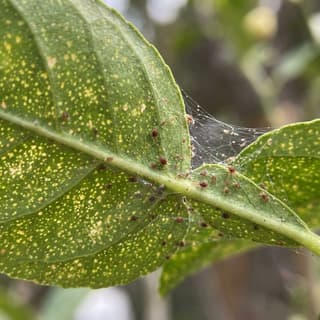
Spider mites are tiny arachnids (less than 1/20 inch long) related to spiders and ticks that feed on plant sap. They thrive in hot, dry conditions and can cause significant damage to ornamental and vegetable plants. During severe infestations, crop losses can reach 14% or higher as these pests disrupt vital plant processes including photosynthesis, carbon dioxide absorption, and transpiration.
✓ Related symptoms:
- • Premature leaf drop and potential plant death
⚡ Quick Fixes:
Step 1
Whiteflies
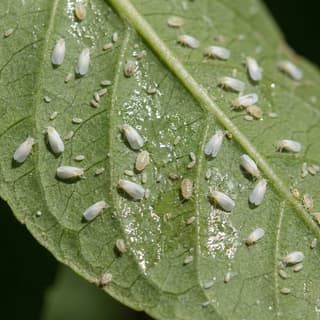
Whiteflies are small, soft-bodied, winged insects closely related to aphids and mealybugs. They are moth-like in appearance, about 1/16 inch long, triangular in shape, and gray-white in color. These sap-sucking pests feed on plant tissue, causing yellowing, stunted growth, and wilting. They also excrete honeydew, which attracts ants and promotes sooty mold growth. Whiteflies can transmit serious plant viruses.
✓ Related symptoms:
- • Leaf drop in severe infestations
⚡ Quick Fixes:
Step 1
Mealybugs
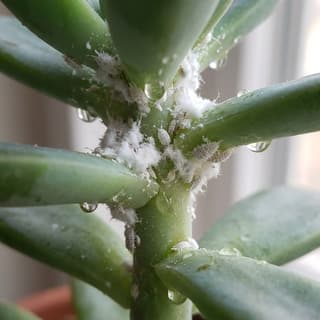
Mealybugs are small, soft-bodied insects covered with a white, waxy, cottony material. They are common pests of houseplants and outdoor plants in mild climates. These sap-sucking insects feed on plant tissue, causing damage, stunted growth, and can lead to plant death if left untreated. They produce sticky honeydew which attracts sooty mold.
✓ Related symptoms:
- • Leaf drop and defoliation
⚡ Quick Fixes:
Step 1