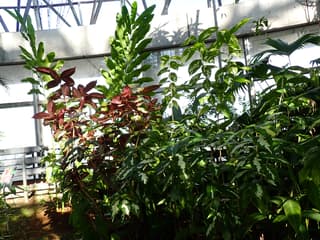
Caricature Plant with Yellow Leaves: Pet-Safe Treatment
Graptophyllum pictum
Caricature Plant is a plant that needs bright light and moderate watering. When showing yellow leaves, it may indicate issues related to its environment or care.
Is your Caricature Plant showing yellow leaves? Discover 9 possible causes and how to treat them.
🔍 Possible Causes (9)

Aphids
Aphids are small, soft-bodied, pear-shaped insects (1/16 to 1/8 inch long) that feed by sucking nutrient-rich sap from plants. They reproduce rapidly and can quickly weaken plants, causing distorted growth and transmitting plant viruses. Aphids come in various colors including green, black, red, yellow, brown, and gray. They secrete honeydew, a sticky substance that attracts ants and encourages sooty mold growth.
✓ Related symptoms:
- • Clusters of soft-bodied insects in various colors (green, black, red, yellow)
- • Curled, distorted, or yellowing leaves
⚡ Quick Fixes:
Step 1
Scale Insects
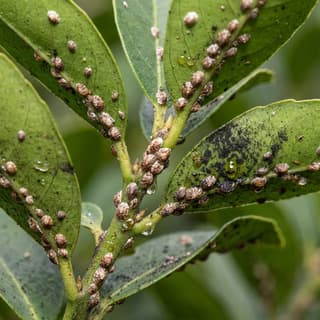
Scale insects are small sap-sucking pests that appear as brown, shell-like bumps on plant stems and leaves. There are over 25 species, divided into armored (hard) and unarmored (soft) scales. They feed by piercing plant tissue and extracting sap, which weakens the plant and can lead to yellowing, stunted growth, and even death if left untreated. They also excrete honeydew, which attracts ants and promotes sooty mold growth.
✓ Related symptoms:
- • Yellowing or chlorotic (pale) leaves
⚡ Quick Fixes:
Step 1
Thrips
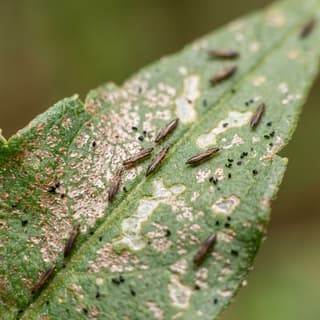
Thrips are tiny cigar-shaped insects (1/25-inch long) that damage plants by sucking plant juices and scraping at fruits, flowers, and leaves. With over 6,000 species and rapid reproduction (lifecycle as short as 14 days), they can quickly infest plants and transmit viruses like tomato spotted wilt virus.
✓ Related symptoms:
- • Yellowing and eventual death of affected leaves
⚡ Quick Fixes:
Step 1
Overwatering
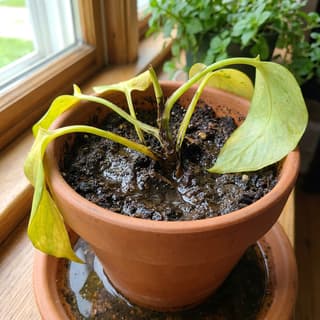
Overwatering occurs when plants receive too much water, depriving roots of oxygen and causing root rot. This environmental stress is one of the most common causes of houseplant death, as waterlogged soil prevents roots from breathing and functioning properly.
✓ Related symptoms:
- • Yellow or brown limp, droopy leaves that feel soft and mushy
- • Dropping leaves (both old and new) that may be green, brown, or yellow
- • Brown spots or edges with yellow halos on leaves (bacterial infection)
⚡ Quick Fixes:
Step 1
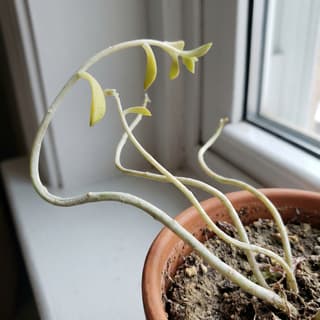
Lack of Light
Lack of light, also known as etiolation, is an environmental condition that occurs when a plant does not receive adequate light for normal photosynthesis and growth. Without sufficient light, the plant cannot produce enough chlorophyll, leading to pale coloration, weakened tissues, and abnormal elongation as the plant stretches toward any available light source. Etiolation affects virtually all plant species, from sun-loving tropicals to shade-tolerant houseplants. While the condition is not contagious, it progressively weakens the plant over time, making it more susceptible to pests, disease, and physical damage. Prompt correction of lighting conditions is essential to reverse the effects and restore healthy growth.
✓ Related symptoms:
- • Pale, yellowish, or whitish leaves due to chlorophyll deficiency (chlorosis)
- • Lower leaves yellowing and dropping prematurely
⚡ Quick Fixes:
Move plant now
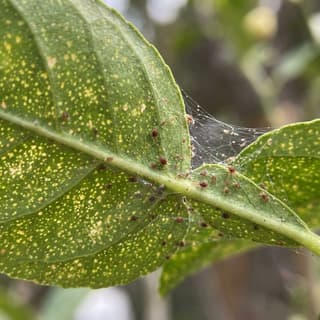
Spider Mites
Spider mites are tiny arachnids (less than 1/20 inch long) related to spiders and ticks that feed on plant sap. They thrive in hot, dry conditions and can cause significant damage to ornamental and vegetable plants. During severe infestations, crop losses can reach 14% or higher as these pests disrupt vital plant processes including photosynthesis, carbon dioxide absorption, and transpiration.
✓ Related symptoms:
- • Tiny yellow or white speckles on leaf surface (stippling)
- • Leaves taking on yellow or bronzed appearance
⚡ Quick Fixes:
Step 1
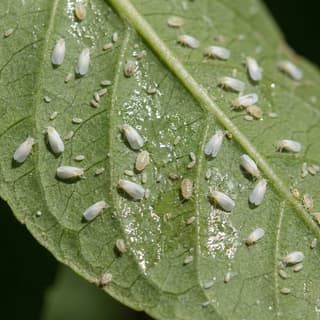
Whiteflies
Whiteflies are small, soft-bodied, winged insects closely related to aphids and mealybugs. They are moth-like in appearance, about 1/16 inch long, triangular in shape, and gray-white in color. These sap-sucking pests feed on plant tissue, causing yellowing, stunted growth, and wilting. They also excrete honeydew, which attracts ants and promotes sooty mold growth. Whiteflies can transmit serious plant viruses.
✓ Related symptoms:
- • Yellowing, wilting, and stunted growth of leaves
- • Transmission of plant viruses (tomato yellow leaf curl, cucumber mosaic)
⚡ Quick Fixes:
Step 1
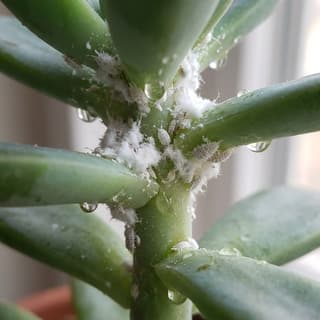
Mealybugs
Mealybugs are small, soft-bodied insects covered with a white, waxy, cottony material. They are common pests of houseplants and outdoor plants in mild climates. These sap-sucking insects feed on plant tissue, causing damage, stunted growth, and can lead to plant death if left untreated. They produce sticky honeydew which attracts sooty mold.
✓ Related symptoms:
- • Yellowing or wilting leaves
⚡ Quick Fixes:
Step 1
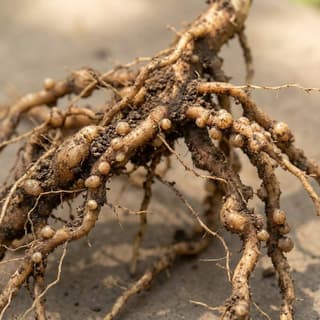
Root-Knot Nematodes
Root-knot nematodes (Meloidogyne species) are microscopic roundworms that parasitize plant roots, causing characteristic galls or knots. These soil-borne pests are among the most economically damaging plant pathogens worldwide, affecting a wide range of ornamental and edible plants. The nematodes inject enzymes into root cells, causing abnormal swelling and disrupting water and nutrient uptake.
✓ Related symptoms:
- • Yellowing of leaves (chlorosis), especially lower leaves
⚡ Quick Fixes:
Step 1