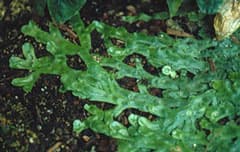
Great Scented Liverwort with Yellow Leaves: Pet-Safe Treatment
Conocephalum
Great Scented Liverwort is a plant that needs low light and frequent watering. When showing yellow leaves, it may indicate issues related to its environment or care.
Is your Great Scented Liverwort showing yellow leaves? Discover 5 possible causes and how to treat them.
🔍 Possible Causes (5)
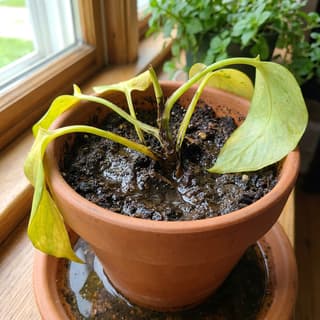
Overwatering
Overwatering occurs when plants receive too much water, depriving roots of oxygen and causing root rot. This environmental stress is one of the most common causes of houseplant death, as waterlogged soil prevents roots from breathing and functioning properly.
✓ Related symptoms:
- • Yellow or brown limp, droopy leaves that feel soft and mushy
- • Dropping leaves (both old and new) that may be green, brown, or yellow
- • Brown spots or edges with yellow halos on leaves (bacterial infection)
⚡ Quick Fixes:
Step 1
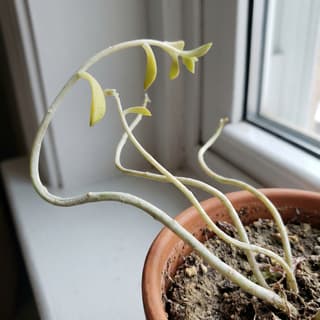
Lack of Light
Lack of light, also known as etiolation, is an environmental condition that occurs when a plant does not receive adequate light for normal photosynthesis and growth. Without sufficient light, the plant cannot produce enough chlorophyll, leading to pale coloration, weakened tissues, and abnormal elongation as the plant stretches toward any available light source. Etiolation affects virtually all plant species, from sun-loving tropicals to shade-tolerant houseplants. While the condition is not contagious, it progressively weakens the plant over time, making it more susceptible to pests, disease, and physical damage. Prompt correction of lighting conditions is essential to reverse the effects and restore healthy growth.
✓ Related symptoms:
- • Pale, yellowish, or whitish leaves due to chlorophyll deficiency (chlorosis)
- • Lower leaves yellowing and dropping prematurely
⚡ Quick Fixes:
Move plant now
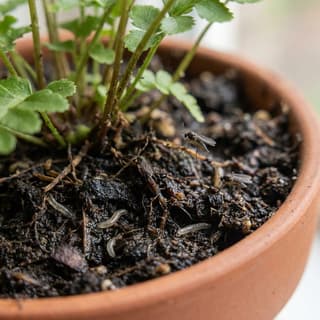
Fungus Gnats
Fungus gnats are small, gray-to-black mosquito-like insects (1/8 to 1/10 inches long) commonly found in indoor plants. Adult gnats are mostly a nuisance, but their larvae feed on plant roots and organic matter in soil, potentially causing serious damage to young or vulnerable plants. The larvae are translucent white with distinctive black heads and can leave slime trails on the soil surface in heavy infestations.
✓ Related symptoms:
- • Yellowing leaves without obvious cause
⚡ Quick Fixes:
Step 1

Root Rot
Root rot is a serious fungal disease that affects the root system of plants, causing them to decay and die. It is primarily caused by overwatering, poor drainage, or soil-borne fungi such as Pythium, Phytophthora, Rhizoctonia, and Fusarium. The disease thrives in waterlogged conditions where roots are deprived of oxygen, making them susceptible to fungal infection.
✓ Related symptoms:
- • Yellowing or browning of leaves
⚡ Quick Fixes:
Emergency unpotting
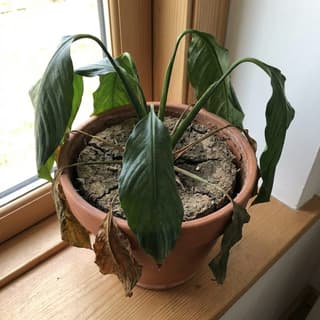
Underwatering
Underwatering or drought stress is a physiological disorder that occurs when the amount of water a plant loses through transpiration exceeds the amount its roots can absorb from the soil. This leads to cellular dehydration and various visible symptoms that can compromise plant health and productivity.
✓ Related symptoms:
- • Yellowing leaves, especially older ones (chlorosis)
⚡ Quick Fixes:
Step 1